Beyond the CE Mark: Exploring Safer Alternatives for Children’s Toys
Introduction
When parents shop for children’s toys, the CE mark is often the first sign of reassurance. Standing for “Conformité Européenne,” this marking indicates that a product meets essential health, safety, and environmental requirements set by the European Union. It is a legal requirement for toys sold in the EU and is widely recognized as a baseline for consumer safety. Yet, as awareness grows about hidden chemical risks, microplastics, and long-term health effects, many families are asking a critical question: Are there even safer alternatives to toys that already carry the CE mark? The short answer is yes. While the CE mark ensures compliance with minimum legal standards, it does not guarantee the absence of all potentially harmful substances, nor does it address concerns about sustainability, ethical production, or long-term toxicity. This article explores a range of safer alternatives—from natural materials to stricter certifications—that go beyond the CE baseline and offer greater peace of mind for health-conscious parents.
Understanding the CE Mark and Its Limitations
The CE mark is not a quality label; it is a regulatory declaration by the manufacturer that the product meets relevant EU directives, such as the Toy Safety Directive (2009/48/EC). This directive restricts the use of heavy metals, certain phthalates, and other hazardous chemicals, and it requires mechanical and physical safety testing. However, critics point out that the CE system relies heavily on self-certification for many product categories. This means that a manufacturer can affix the CE mark without third-party verification, especially for low-risk toys. Furthermore, the limits set for substances like bisphenol A (BPA), formaldehyde, and flame retardants are often based on short-term exposure studies, leaving long-term or cumulative effects less regulated. In addition, toys with CE marks may still contain synthetic materials, plastics, and artificial dyes that, while within legal limits, are not ideal for very young children who explore the world through mouthing and chewing. As a result, parents seeking a “better than safe” standard often turn to alternatives that prioritize natural, non-toxic, and sustainably sourced materials.
The Rise of Natural and Organic Toy Materials
One of the most popular safe alternatives to standard CE-marked toys is the use of natural and organic materials. Toys made from untreated wood, organic cotton, natural rubber, and wool offer a tactile, chemical-free experience. Organic cotton toys, for instance, are grown without synthetic pesticides or fertilizers, and they are often dyed with plant-based pigments. Similarly, natural rubber—derived from the sap of rubber trees—is biodegradable, free from synthetic latex additives, and remarkably durable. These materials bypass many of the chemical concerns associated with conventional plastics and synthetic fabrics. However, parents should still look for certifications such as GOTS (Global Organic Textile Standard) for textiles or FSC (Forest Stewardship Council) for wood, as these provide independent validation that the materials are sourced responsibly and processed without banned chemicals. While such toys may not carry a CE mark in the same way (though they often do for market access), they represent a higher tier of safety that begins at the raw material level.
Wooden Toys: A Timeless and Safe Choice
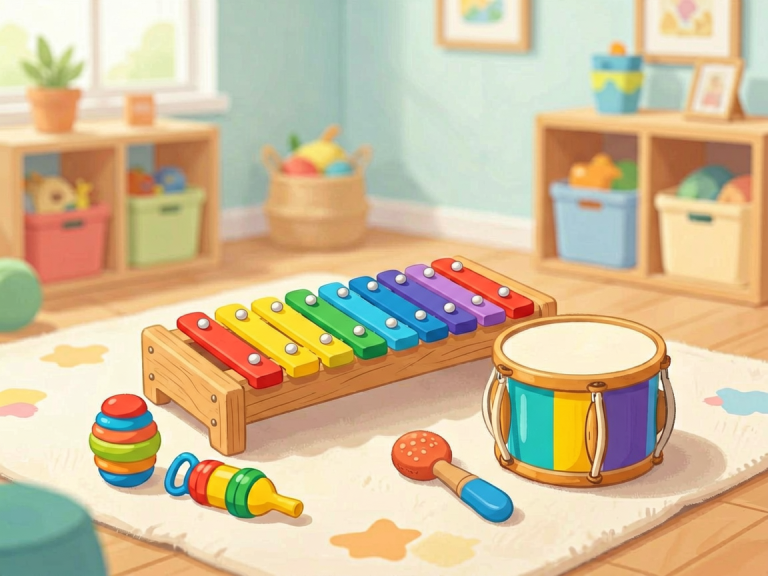
Wooden toys have long been cherished for their durability, simplicity, and aesthetic appeal. Unlike plastic toys that can leach chemicals when chewed or heated, solid wood—especially from untreated or naturally finished sources—poses minimal chemical risk. Hardwoods like beech, maple, and birch are naturally dense and resistant to splintering when properly sanded. The safest wooden toys use non-toxic, water-based paints or oils (such as linseed or beeswax) rather than varnishes containing volatile organic compounds (VOCs). Moreover, many high-end wooden toy brands now carry CE marks as a baseline but also adhere to additional standards like the EN 71 European safety standard for toys (which is actually part of the CE process) and the stricter ASTM F963 in the United States. For parents, the key is to choose wooden toys that are free from small parts, have round edges, and are finished with food-grade or certified non-toxic coatings. These toys often last for generations, reducing waste and exposure to breakable plastic shards. In comparison, many plastic-based CE-marked toys are single-use, brittle, and likely to contain BPA or phthalates, making wooden alternatives a superior choice for both safety and sustainability.
Eco-Friendly and Non-Toxic Plastic Alternatives
Not all plastics are created equal. For parents who still prefer the versatility and bright colors of plastic toys, safer alternatives exist within the broader category of bioplastics and non-toxic polymers. For example, toys made from polypropylene (PP) or polyethylene (PE) are generally considered safer than those made from polyvinyl chloride (PVC), which can release phthalates and chlorine-based compounds. Even better are bioplastics derived from renewable sources like cornstarch, sugarcane, or potato starch. These materials are often marketed as “plant-based plastics” and can be biodegradable or compostable under specific conditions. Products made from PLA (polylactic acid) are a common example. However, it is crucial to note that the safety of bioplastics depends on the additives used; some bioplastics still contain plasticizers or colorants that may not be ideal. To ensure a truly safer alternative, look for toys that carry additional certifications such as the Nordic Swan Ecolabel, the Blue Angel, or the Oeko-Tex Standard 100 for children’s products. These labels test for a broader range of chemicals than the CE directive requires, including pesticide residues, endocrine disruptors, and allergenic dyes. When a plastic toy bears both a CE mark and one of these stricter eco-labels, parents can be confident that it has been scrutinized beyond the minimum legal requirement.
The Role of Certifications Beyond CE
While the CE mark is mandatory, voluntary certifications can provide an extra layer of assurance. One of the most respected is the “GS” mark (Geprüfte Sicherheit) in Germany, which requires independent third-party testing and factory inspections. In the toy industry, the “ASTM F963” standard is widely used in North America and covers many of the same areas as the EN 71 standard, but it also includes additional requirements for labeling and for magnetic hazards. For toys with electronic components, the “IEC 62115” standard is relevant. More specialized certifications include “OEKO-TEX LEATHER STANDARD” for leather toys, “GOTS” for textile toys, and “FSC” for wooden toys. Even the humble CE mark can be reinforced if the manufacturer chooses to use a notified body (a third-party testing organization) to verify compliance, though this is not mandatory for all toy categories. Parents should therefore look at the packaging and website for information about what specific testing the product underwent. In many cases, a toy that proudly displays multiple safety logos is likely a much safer alternative than one that simply states “CE” and nothing more.
DIY and Handcrafted Toys: Custom Safety
Another excellent path toward safer alternatives is to create or purchase handcrafted toys from local artisans. DIY toys allow parents to control every material that enters their child’s hands. Simple projects such as knitted dolls using organic cotton yarn, felted animals from natural wool, or wooden blocks sanded and finished with beeswax can be tailored to a child’s age and developmental stage. Handcrafted toys often avoid the need for glues, synthetic dyes, and plastic packaging. They also eliminate the risk of hidden manufacturing defects that can occur in mass-produced CE-marked toys. When buying from a crafter, parents can ask directly about the sourcing of materials, finishing techniques, and whether any chemical treatments were used. While handcrafted toys rarely carry a CE mark (though they should if sold commercially in the EU), they can be even safer because the maker has a personal stake in the quality. Many artisan toy sellers also comply with safety standards voluntarily, sometimes testing their products at independent labs. The added benefit is that these toys are often unique, durable, and cherished as heirlooms rather than quickly discarded.
How to Choose the Safest Toys for Your Child
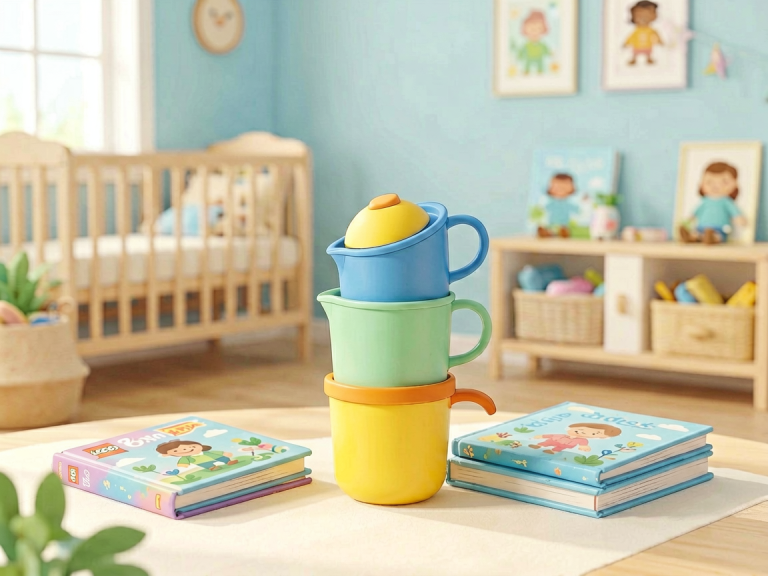
Navigating the landscape of toy safety can feel overwhelming, but a few practical guidelines can help. First, always check for the CE mark as a legal baseline, but do not stop there. Look for additional eco-labels, third-party test reports, or transparent ingredient lists. Prefer materials that are inherently low-risk: solid wood, organic fabrics, natural rubber, and stainless steel. Avoid toys with strong chemical odors, bright synthetic colors that stain easily, or flimsy plastic parts. For plastic toys, choose those labeled “BPA-free,” “phthalate-free,” and ideally made from polypropylene or bioplastics. Second, consider the age appropriateness of the toy; a CE-marked toy designed for a 3-year-old may still pose a choking hazard for a 6-month-old. Third, reduce the total number of plastic toys in the play space, as even “safe” plastics can degrade over time into microplastics that children may inhale or ingest. Finally, embrace simplicity. Many of the safest toys are also the simplest: a set of wooden blocks, a cloth doll, a knitted ball, or a set of stacking cups made from food-grade silicone. These items have stood the test of time, and they do not rely on the CE mark alone to keep children safe.
Conclusion
The CE mark remains an important standard for toy safety, ensuring that products on the European market meet essential requirements. However, it is only the starting point. For parents who wish to minimize their children’s exposure to synthetic chemicals, microplastics, and potential long-term risks, a whole universe of safer alternatives exists. From organic cotton and natural rubber to responsibly sourced wood and bioplastics with additional certifications, these options offer security that goes far beyond the minimum legal threshold. Handcrafted and DIY toys further empower families to take control of their children’s play environment. In the end, the safest toy is not merely the one with a CE stamp, but the one made with mindful material choices, transparent production practices, and a deep respect for the health of the child and the planet. By looking beyond the CE mark, parents can build a toy box that is not only safe, but truly nurturing.