Are LEGO-Style Bricks Worth It for Babies? A Comprehensive Analysis
Introduction
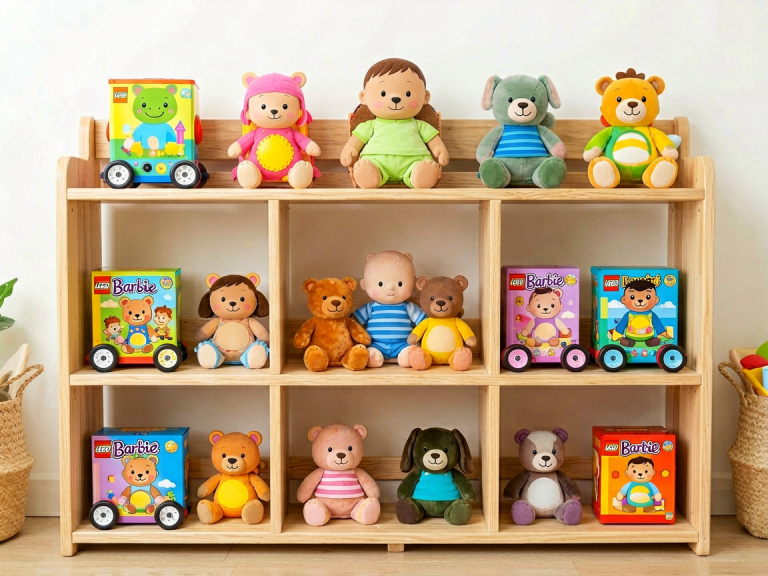
The iconic interlocking plastic bricks that bear the LEGO name have, for decades, been a staple of childhood creativity and learning. Their popularity has spawned countless imitations—generic LEGO-style bricks available at a fraction of the cost—yet the fundamental question remains: are these small, hard, snap-together toys appropriate for babies? The term “babies” typically refers to children from birth to around 12 months of age, a period characterized by rapid sensory exploration, mouthing behavior, and limited fine-motor control. While LEGO itself markets its Duplo line for toddlers (18 months and up), standard LEGO bricks and their generic equivalents carry small parts that pose well-known choking hazards. This article delves into the multifaceted debate, examining developmental benefits, safety risks, parental considerations, and available alternatives to determine whether LEGO-style bricks truly deserve a place in a baby’s toy box. By the end, you will have a balanced, evidence-based understanding of whether these bricks are “worth it” for the youngest members of the family.
Safety First: The Choking Hazard and Ingestion Risks
The most immediate and non-negotiable concern when introducing any small object to a baby is safety. The American Academy of Pediatrics and the Consumer Product Safety Commission consistently warn that toys with parts small enough to fit inside a toilet paper roll (roughly 1.25 inches in diameter) pose a choking risk for children under three years of age. Standard LEGO bricks, measuring about 1.6 cm x 0.8 cm for a 2×2 stud brick, easily pass this test. Their sharp edges and rigid plastic can also cause injury if a baby falls onto a scattered pile. Moreover, babies at the oral stage—typically from four to twelve months—explore the world primarily with their mouths. They will pick up a brick, gnaw on it, and in many cases, attempt to swallow it. Even if a single brick is too large to obstruct the airway, the constant supervision required to prevent such an incident makes the toy stressful rather than joyful for caregivers.
Generic LEGO-style bricks often exacerbate these risks. Many off-brand products are made from lower-quality plastics that may contain harmful chemicals such as phthalates, bisphenol A (BPA), or lead, especially if they are not certified by international safety standards (e.g., EN71, ASTM F963). Even when labeled “BPA-free,” the brittleness of cheap bricks can cause them to splinter or chip under a baby’s gums, creating sharp fragments that are easily ingested. In contrast, genuine LEGO Duplo bricks are specifically designed for children aged 1½–5 years: they are twice the size in all dimensions, much more difficult to swallow, and made from a robust ABS plastic that is rigorously tested for safety. Yet the price point of Duplo is significantly higher, and many parents wonder if standard LEGO-style bricks—perhaps stored out of reach but brought out during supervised play—could still offer value. The consensus among pediatricians is clear: for babies who cannot reliably follow instructions not to put objects in their mouths, any brick smaller than a Duplo is a liability waiting to happen.
Developmental Benefits: Fine Motor Skills and Sensory Stimulation
Proponents argue that even simple manipulation of bricks can foster crucial early development. Grasping a brick with a pincer grip (thumb and forefinger) exercises the small muscles of the hand, building strength and coordination that will later be needed for holding a pencil or using scissors. Connecting two bricks requires controlled force and spatial awareness—a baby must align the studs and apply pressure vertically. This action, known as a “vertical push,” is a precursor to more complex fine-motor tasks. Additionally, the bright colors, varied textures, and satisfying “click” sound when bricks snap together provide rich sensory input. For a seven-month-old, the experience of feeling the ridges on a brick’s side, seeing its vibrant red or blue hue, and hearing the noise it makes when dropped can stimulate neural connections in the visual, tactile, and auditory cortexes.
However, these benefits assume that the baby is developmentally ready to engage in such activities. Most babies under nine months lack the hand-eye coordination and intentional force needed to successfully connect two bricks. Instead, they will simply hold, mouth, or bang the bricks—activities that can be accomplished just as well with safer, purpose-built rattles, teethers, or soft blocks. A soft fabric block, for example, offers similar sensory stimulation without the risk of injury or choking. Moreover, the frustration a baby feels when unable to snap bricks together may lead to crying or throwing, which does not contribute to positive learning. Therefore, while the developmental potential of LEGO-style bricks is real, it is largely mismatched with the actual capabilities of a baby younger than 12 months. For older infants (10–12 months) who can sit independently and show interest in stacking objects, oversized Duplo bricks are a far more appropriate choice.
Age Recommendations and What the Experts Say
The manufacturer’s age labeling is not merely a marketing tool; it is based on rigorous play-testing and developmental research. LEGO explicitly states that classic bricks are for ages 4+. LEGO Duplo starts at 18 months. The reason is straightforward: children under 18 months typically do not have the cognitive ability to understand symbolic play (e.g., building a house) nor the fine-motor control to manipulate small pieces without frustration. The American Academy of Pediatrics recommends that for infants under 12 months, the best toys are those that encourage interaction with caregivers: board books, simple puzzles with large knobs, nesting cups, and soft blocks. These items promote joint attention and language development more effectively than bricks do.
Child development specialists like Dr. Kathy Hirsh-Pasek, a professor of psychology at Temple University, emphasize that open-ended building toys are excellent for toddlers and preschoolers, but for babies, the primary goal is sensorimotor exploration and bonding with a parent. “A baby doesn’t need to build; she needs to feel, to mouth, to be sung to, and to watch cause-and-effect in a safe context,” she notes in several interviews. There is no compelling evidence that introducing LEGO-style bricks before the age of one accelerates cognitive development. In fact, the constant redirection required to keep a baby from putting bricks in his mouth may actually hinder natural exploration. The effort it takes to supervise a baby with small bricks could be better spent reading a book or playing peek-a-boo—activities proven to build brain architecture.
Alternatives to LEGO-Style Bricks for Babies
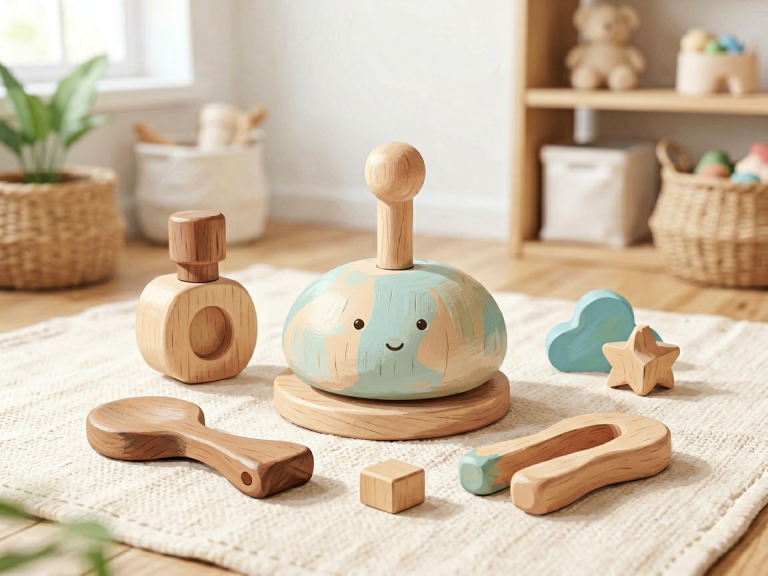
If you are eager to introduce building concepts to your baby, several safer and more age-appropriate alternatives exist. First, consider large soft building blocks made from foam or plush fabric. Brands like Baby Einstein or Melissa & Doug offer sets of 10–20 blocks that are lightweight, washable, and too large to swallow. Babies can stack them, knock them down, and even chew on them without risk. Second, interlocking plastic rings (e.g., the classic Fisher-Price Rock-a-Stack) provide a similar cause-and-effect experience of putting pieces onto a central post. They strengthen fine-motor skills and hand-eye coordination without the choking hazard. Third, shape sorters with large chunky pieces introduce spatial reasoning—a skill that underpins later building abilities. Finally, silicon teethers in brick shapes combine the tactile appeal of a brick with the safety of a teething toy. Some companies now produce BPA-free silicone bricks that are flexible, easy to grip, and safe to mouth, albeit they do not snap together tightly.
These alternatives cost comparably to a set of generic LEGO-style bricks and offer peace of mind. Furthermore, they align with the baby’s natural developmental trajectory. A 9-month-old who enjoys stacking rings will be far more prepared to handle Duplo bricks at 18 months than a baby who was repeatedly frustrated by tiny bricks he could not manipulate. Introducing age-inappropriate toys can actually lead to negative associations with building play, which defeats the purpose.
Economic and Practical Considerations
Price is a major factor for many families. A basic set of generic LEGO-style bricks in a large bucket may cost only $15–$20, while a comparable set of Duplo bricks could run $30–$50. However, the generic bricks will be unusable for at least 12–18 months if you follow safety recommendations, meaning they sit in a closet gathering dust. By the time your child reaches the appropriate age, you might have lost pieces, or the child may have moved on to other interests. Moreover, the quality of generic bricks varies wildly—some fit too tightly, causing frustration, while others are too loose and fall apart easily, undermining the building experience. The true “cost” of generic bricks for a baby is not just the purchase price but the constant worry and supervision required.
Conversely, Duplo bricks hold their resale value extremely well and can be combined with standard LEGO later when the child is older, making them a long-term investment. If you already own standard LEGO bricks for an older sibling, you might be tempted to let the baby play with them under supervision. This is strongly discouraged. Even with the closest oversight, accidents happen—a baby can grab a brick and put it in her mouth faster than a parent can react. Many families have faced emergency room visits due to this exact scenario. The emotional and financial cost of a choking incident far outweighs any perceived benefit of early brick play.
Conclusion: Are They Worth It?
After weighing the safety risks, developmental appropriateness, expert recommendations, and available alternatives, the answer is clear: standard LEGO-style bricks are not worth it for babies under 12–18 months. The choking hazard, potential chemical exposure from generic brands, and mismatch between the toy’s demands and a baby’s abilities create an unfavorable risk-to-benefit ratio. While the idea of an infant learning to stack and build is appealing, the reality is that babies engage with bricks in ways that are best fulfilled by larger, softer, and purpose-specific toys. If you are determined to introduce building play early, choose Duplo bricks (which are designed for toddlers) or high-quality soft blocks. For babies under one year, your focus should be on safe exploration, caregiver interaction, and foundational sensorimotor experiences—none of which require small plastic bricks.
In the end, the best toy for a baby is one that promotes joy without fear. LEGO-style bricks can bring immense creative value to children aged three and older, but for the baby in your life, it is far wiser to wait. Save the bricks for a first or second birthday, and in the meantime, let your baby discover the world through toys that are built—literally and figuratively—for their tiny hands and curious mouths.