The Hidden Dangers: Why You Should Avoid Buying Toys with Small Parts for 2-Year-Olds
Introduction
Walking through a toy store, it is easy to be drawn to brightly colored boxes featuring popular cartoon characters or intriguing mechanical features. Many of these toys come with small parts—buttons, wheels, plastic eyes, or detachable accessories. For a two-year-old, however, such items are not just playthings; they are potential hazards. At this age, children are curious explorers who rely heavily on their mouths to understand the world. A toy with small parts can quickly become a choking hazard, leading to emergency room visits, long-term health complications, or even fatal accidents. This article examines why buying toys with small parts for two-year-olds is a serious mistake, explores the developmental realities of toddlers, reviews safety standards, and offers practical guidance for selecting safe, age-appropriate alternatives.
—
The Developmental Stage of a 2-Year-Old
A two-year-old child is at a unique and critical stage of cognitive and physical development. They are no longer passive infants but active toddlers who walk, run, climb, and grab everything within reach. Their fine motor skills are rapidly improving, allowing them to pick up tiny objects with their thumb and forefinger in what is known as the pincer grasp. This newfound ability makes small parts particularly tempting—they can be picked up, examined, and, most importantly, put into the mouth.
At the same time, a two-year-old’s oral exploration is still a primary way of learning. They mouth objects to feel textures, tastes, and temperatures. This natural behavior, combined with an underdeveloped sense of danger, means a small plastic wheel or a button that detaches from a toy will likely end up in their mouth within seconds. Moreover, two-year-olds lack the cognitive capacity to understand cause and effect in relation to choking. They have not yet developed the reflex to spit out objects that block their airway. Even if a caregiver is nearby, a child can choke silently, without coughing or making noise, making intervention nearly impossible in time.
According to pediatric research, children under three years old have a trachea (windpipe) that is only about the diameter of a drinking straw. Any object smaller than 1.25 inches (approximately 3.2 cm) in diameter and 2.25 inches (5.7 cm) in length can potentially become lodged in their throat. Many common toy parts—such as marbles, small balls, doll shoes, or puzzle pieces—fall well within these dimensions. Therefore, the developmental stage of a two-year-old makes them uniquely vulnerable to the dangers posed by small parts.
—
The Choking Hazard: A Life-Threatening Risk
Choking is one of the leading causes of unintentional injury and death among children aged one to three. The U.S. Consumer Product Safety Commission (CPSC) reports that hundreds of children are treated in emergency rooms each year for choking-related incidents involving toys with small parts. In severe cases, these incidents result in brain damage due to oxygen deprivation or death. Even when a child survives, they may suffer from permanent respiratory problems or require surgical removal of the object.
The mechanism of choking is frighteningly simple. When a small part enters a child’s mouth, it can easily be inhaled into the airway rather than swallowed into the esophagus. Because the child’s epiglottis—the flap that covers the trachea during swallowing—is not fully coordinated, the object may slip into the windpipe, blocking airflow. Unlike adults, young children often cannot cough forcefully enough to dislodge the object. The Heimlich maneuver for infants and toddlers is a specialized technique that many caregivers are not trained to perform correctly, leading to further delays in rescue.
Consider real-world examples: a plastic snap from a stuffed animal’s clothing, a small flashlight battery, or a wheel from a toy car. Each of these items has caused documented choking deaths. In one tragic case, a two-year-old girl swallowed the small plastic nose of a toy rabbit while her mother was less than three feet away. The mother did not hear any crying or coughing—the child simply sat on the floor, eyes wide, until she collapsed. By the time paramedics arrived, it was too late. These stories are not rare anomalies; they are repeated every year in homes around the world. The simple decision to avoid purchasing toys with small parts can prevent such tragedies.
—
Regulatory Standards and Age Labels
Fortunately, governments and international organizations have established stringent safety regulations to protect young children. For example, in the United States, the CPSC enforces the Small Parts Regulation (16 CFR Part 1501), which prohibits the sale of toys containing small parts if the toy is intended for children under three years of age. Similar standards exist under the European Union’s Toy Safety Directive (EN 71) and Australia’s mandatory safety standard. These regulations require manufacturers to test their products using a “small parts cylinder” (a tube approximately the size of a child’s throat). Any toy component that fits entirely inside the cylinder is considered a small part and cannot be included in a toy labeled for children under three.
However, it is crucial to understand that age labels are not merely suggestions—they are legally binding safety categories. A toy that says “3+” is explicitly warning that it contains small parts and is dangerous for younger children. Yet many parents ignore these labels, believing that their child is “advanced” or that they will supervise closely. This overconfidence is a common pitfall. Supervision, while important, cannot prevent a child from picking up a small part in the split second a caregiver turns away. Moreover, a two-year-old’s ability to quickly bring objects to their mouth is astonishingly fast.
It is also worth noting that some toys marketed for “age 2+” may still contain small parts if they are not clearly labeled as choking hazards. For example, some plush toys have button eyes that are not firmly sewn, or wooden toys with pegs that can be pulled out. Parents should not rely solely on age labels; they should physically inspect each toy, pulling and tugging on any attached components to ensure they are securely fastened. If a part can be removed with moderate force or if it seems detachable, it is not safe for a two-year-old.
—
What to Look for Instead: Safe Toy Alternatives for Toddlers
Given the clear risks, what should parents buy for their two-year-old? Fortunately, there is a wide array of safe, developmentally appropriate toys that foster learning and fun without endangering the child. The key is to prioritize toys that are large, solid, and free of detachable small components.
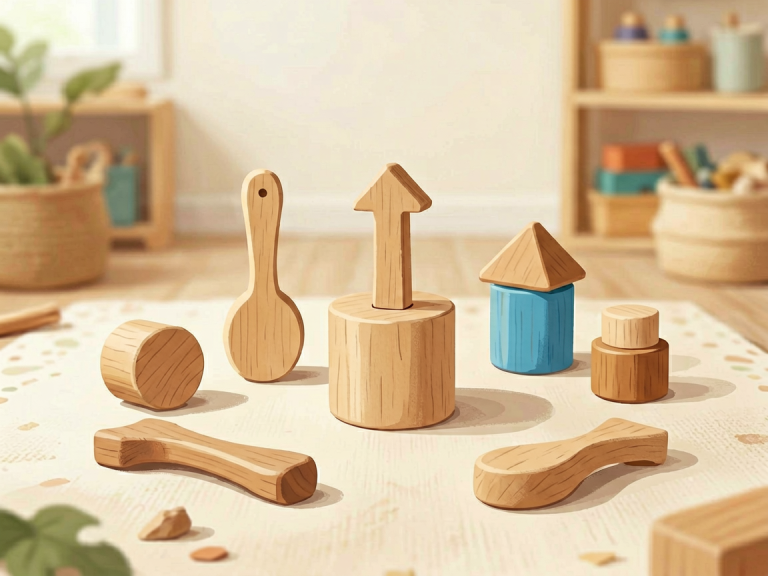
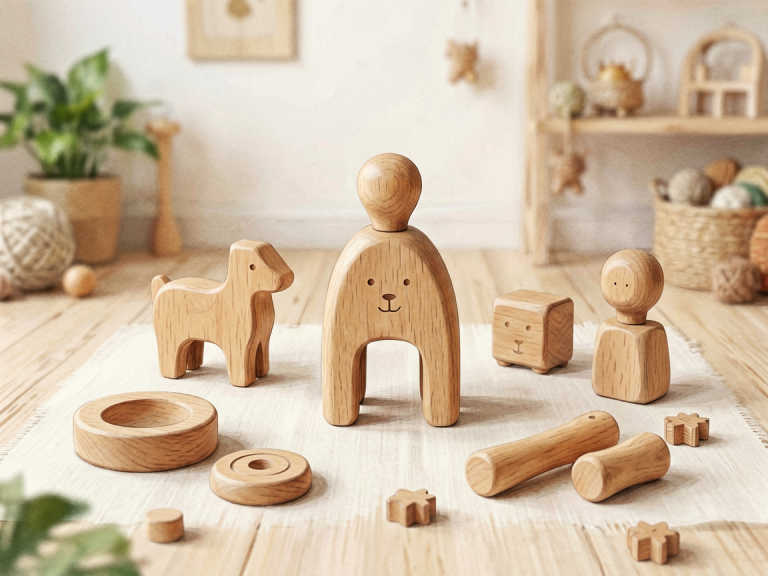
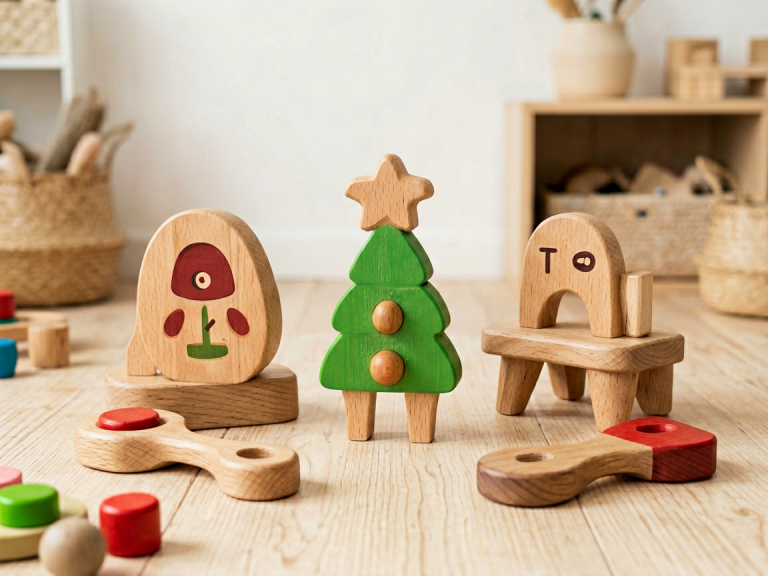
One excellent category is large building blocks. Blocks that are at least two inches in each dimension cannot be swallowed and encourage spatial reasoning, creativity, and motor skills. Soft fabric blocks, foam blocks, or sturdy wooden blocks (with non-toxic paint) are all ideal choices. Another safe option is push-and-pull toys, such as a wooden cart with a string or a plastic lawn mower with large wheels. These toys support gross motor development as the child walks and pushes them, and they have no small parts to worry about.
Sensory toys are also wonderful for two-year-olds. Items like textured balls (larger than a tennis ball), squishy stress balls without removable gel beads, or fabric books with crinkly pages provide tactile stimulation without choking hazards. Musical instruments designed for toddlers—such as drums, maracas that are sealed shut, or xylophones with attached mallets—offer auditory exploration while being safe. Be cautious with shakers that contain beads inside; ensure the plastic casing is fully sealed and cannot be broken open.
For imaginative play, consider doll houses or playsets with large, chunky figures that are too big to fit in the mouth. Many brands now offer “first” doll sets with limbs and accessories that are securely attached. Always avoid sets with tiny dishes, bottles, or furniture pieces.
Electronic toys should be carefully vetted as well. Remote-controlled cars, talking dolls, or interactive tablets often have buttons, batteries, or removable parts. Look for toys that have battery compartments secured with a screwdriver—not just a snap-on lid—and that have no loose wires or small knobs. Battery ingestion is another serious emergency that can cause chemical burns or electrical currents in the body.
—
Practical Tips for Parents and Caregivers
Beyond choosing the right toys, parents should adopt a routine of inspecting and maintaining their child’s playthings. First, check new toys immediately upon purchase. Remove any packaging—including plastic bags, twist ties, and cardboard inserts—before giving the toy to the child. These items can be suffocation hazards themselves.
Second, perform the “toilet paper roll test.” If any part of a toy (including a removed piece) can fit inside a standard toilet paper roll (approximately 1.5 inches in diameter), it is too small for a two-year-old. This simple home test can be more reliable than trusting the toy’s label.
Third, regularly re-inspect toys as they wear out. Over time, seams on stuffed animals can rip, releasing small stuffing pellets; paint can flake off; plastic can crack, creating sharp edges or small fragments. Discard any toy that shows signs of deterioration. Similarly, be mindful of older siblings’ toys in the house. A two-year-old can easily access a Lego piece or a Barbie shoe left on the floor. Establish a clear rule that toys with small parts are kept in a separate, higher location or out of the toddler’s reach entirely.
Fourth, educate other caregivers—grandparents, babysitters, older siblings, and friends—about the dangers. Many adults who grew up with different safety standards may not realize that small parts are now considered hazardous for toddlers. A well-meaning relative might bring a “vintage” toy from decades ago that contains lead paint or detachable buttons. Politely but firmly explain the risk.
Finally, stay informed about product recalls. The CPSC website and similar agencies in other countries regularly publish recalls for toys that pose choking or strangulation hazards. Sign up for alerts or check the list before purchasing second-hand toys from garage sales or online marketplaces.
—
The Long-Term Impact of Safe Play
Choosing safe toys is not just about preventing accidents; it is about creating an environment where a child can develop optimally. When parents are constantly worried about hazards, they may hover or restrict play, which can inhibit a toddler’s natural exploration and learning. Conversely, when the play space is thoughtfully designed with age-appropriate toys, children can roam freely, build confidence, and engage in uninterrupted imaginative play. They learn to focus, solve problems, and interact with the world without the constant threat of injury.
Moreover, avoiding small parts in early childhood sets a foundation for safety awareness as the child grows. By consistently modeling careful toy selection, parents teach children that safety matters—a lesson that will extend to other areas, like bicycle helmets, car seats, and kitchen dangers. The peace of mind that comes from knowing your child is playing safely is invaluable. It allows you to enjoy their giggles, watch their discoveries, and join in their joy without a knot of worry in your stomach.
—
Conclusion
The decision to buy toys with small parts for a two-year-old is never worth the risk. No amount of entertainment, educational promise, or bargain price can outweigh the possibility of a choking emergency. The developmental stage of a toddler—their oral exploration, pincer grasp, and lack of danger awareness—makes them especially vulnerable. Regulatory standards exist for a reason, and parents must respect age labels and go beyond them by physically inspecting every toy. By choosing large, durable, part-free alternatives, you provide a safe and stimulating environment that allows your two-year-old to thrive. Remember: the best toy is one that sparks curiosity and joy without ever posing a threat to your child’s life. When in doubt, leave it out. Your child’s safety is worth far more than any toy on the shelf.