The Hidden Dangers of Play: Toy Recalls and Their Impact on Toys for 11-Year-Olds
Introduction: Why Age Matters in Toy Safety
When we think of toy recalls, our minds often jump to choking hazards for toddlers or paint toxicity for preschoolers. However, a quieter yet equally pressing crisis lurks in the world of toys designed for older children—specifically, 11-year-olds. At this age, children are transitioning from simple playthings to more complex, often electronic, and sometimes hazardous items. Toy recalls in the 11-year-old category are not only frequent but also uniquely dangerous because they involve products that combine technology, chemistry, and mechanical engineering. This article examines the causes, consequences, and lessons from recent toy recalls targeting this specific age group, drawing on real-world examples and expert insights.
The Unique Vulnerabilities of 11-Year-Old Toy Consumers
The Intersection of Independence and Inexperience
Eleven-year-olds are at a developmental crossroads. They have enough cognitive ability to operate sophisticated gadgets—drones, remote-controlled cars, chemistry sets, and electronic gaming accessories—but they lack the mature judgment to anticipate or avoid hidden risks. Unlike toddlers, who are closely supervised, 11-year-olds often play independently, sometimes without adult oversight. This independence means that a defective toy can cause harm before a parent even knows something is wrong.
Moreover, marketers target this age group with products that mimic adult technology—smartwatches, build-your-own-robot kits, and battery-powered scooters. These items come with small parts, lithium-ion batteries, and chemical components that, when faulty, can lead to burns, fires, or toxic exposure. Recalls for such products are particularly alarming because the danger is not immediately obvious until an accident occurs.
The Social Pressure to Own the Latest Toy
Another factor amplifying the risk is peer pressure. At age 11, social status is heavily tied to owning popular brands and trending items. Parents often feel compelled to buy the latest gadget—a motorized hoverboard, a high-speed Nerf blaster, or a remote-controlled stunt car—without thoroughly researching safety records. When a recall is announced, many parents are unaware their child’s toy is affected, leading to continued use long after the hazard is identified.
Major Categories of Recalled Toys for 11-Year-Olds
Electronic Toys and Batteries: A Fire Hazard Epidemic
One of the most common types of recalls for 11-year-old toys involves lithium-ion batteries. In 2023 alone, the U.S. Consumer Product Safety Commission (CPSC) issued multiple recalls for hoverboards, electric scooters, and robotic toys due to battery overheating, swelling, and catching fire. For instance, a popular brand of self-balancing scooters was recalled after dozens of reports of flames erupting while charging in children’s bedrooms. These fires caused second-degree burns and property damage.
Why are these batteries so dangerous? Lithium-ion cells are prone to thermal runaway—a chain reaction that generates intense heat—if the battery management system is faulty. Many budget toys sold online or through discount retailers skip rigorous testing to cut costs. An 11-year-old charging their toy overnight in their room is at high risk of waking up to a fire.
Chemical and Lab Kits: Hidden Toxins in the Name of Science
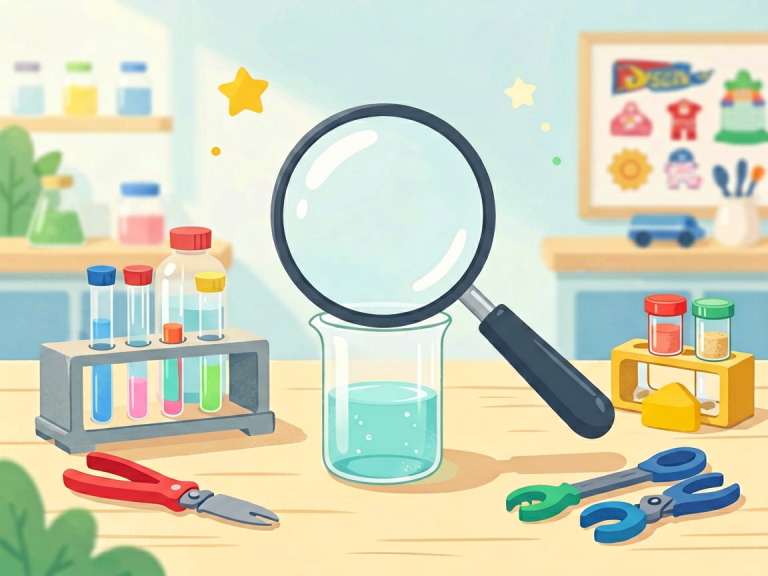
Another troubling category is chemistry and science experiment kits. Designed to spark curiosity in 11-year-olds, these sets often contain chemicals that should be handled with care. However, recalls have occurred when kits shipped with improperly labeled substances, such as boric acid misidentified as harmless citric acid, or with concentrations of reagents that exceed safe limits. In one recall, a popular crystal-growing kit contained lead-based compounds that could be absorbed through the skin during handling. Children this age rarely wear gloves or goggles, and they may even taste or smell the chemicals out of curiosity.
Mechanical Toys with Pinch and Entrapment Risks
Toys involving moving parts—drones, motorized cars, and building sets with gears—pose mechanical hazards. Hoverboards, for example, have been recalled not only for fire risks but also for wheel detachment that causes falls. Drones with poorly protected propellers can cause deep cuts on fingers or faces. Even seemingly harmless items like fidget spinners with metal ball bearings have been recalled because the bearings can pop out and become choking hazards when children disassemble the toy.
Real-World Case Studies of Toy Recalls
The 2024 Nerf Mega Blaster Recall
In early 2024, a major toy manufacturer recalled over 500,000 units of a high-powered Nerf blaster popular among 11-year-olds. The blaster’s spring mechanism could unexpectedly release with excessive force, striking users in the face or eyes. Reports included two cases of corneal abrasions and one of a broken nose. The age group most affected was 11 to 13-year-olds, who used the blaster in backyard battles without protective eyewear.
The “Build-Your-Own-Robot” Kit Incident
A robotics kit advertised to children ages 10–12 was recalled after multiple reports of electrical burns. The kit included a small soldering iron that reached temperatures above 400°C, and the instructions failed to warn about the risk of skin contact. An 11-year-old boy suffered second-degree burns on his forearm when he accidentally touched the iron while assembling a motor. The recall highlighted that product designs meant to be “educational” often underestimate the safety maturity of the target age group.
The Ripple Effects of Toy Recalls on Families
Physical and Emotional Trauma
The immediate consequence of a toy recall is injury. Burn scars, cuts, and poisoning leave physical marks that can last a lifetime. But the emotional toll is equally significant. A child who was excited about a new toy may feel betrayed or develop anxiety about playing. Parents often experience guilt and stress, wondering if they could have prevented the harm. For example, a mother from Ohio told the CPSC that her son refused to touch any battery-powered toy for months after his hoverboard ignited while he was riding it, causing minor burns but major psychological fear.
Financial and Logistical Burden
When a recall is announced, families face a frustrating process: locating the receipt, packaging the toy, shipping it back, and waiting weeks for a refund or replacement. Many parents simply throw the toy away, losing their investment. For a toy that cost $100 or more—common for tech gadgets aimed at 11-year-olds—this is a significant financial hit. Moreover, the replacement product may still have latent flaws, as recalls often occur after the product has been on the market for months.
How to Protect Your 11-Year-Old: A Practical Guide
Before Purchase: Research and Vigilance
Parents should check the CPSC recall database or similar national safety agencies before buying any toy, especially electronics. Look for third-party safety certifications like UL or CE marks. Avoid purchasing toys from unverified sellers on online marketplaces, as counterfeit products often bypass safety regulations. For chemistry sets, ensure the manufacturer provides a detailed safety data sheet (SDS) for each chemical.
During Use: Supervision and Maintenance
Even though 11-year-olds are independent, parents should still inspect toys periodically. Check battery compartments for swelling, corrosion, or unusual heat. Ensure that charging cables are intact and that the device is charged on a non-flammable surface away from bedding. For mechanical toys, verify that all protective guards are present and that moving parts do not have sharp edges.
After a Recall: Act Quickly
If a toy you own is recalled, stop using it immediately. Follow the manufacturer’s instructions for return or disposal. Do not attempt to repair the toy yourself—this can void any warranty and may not address the underlying hazard. Register your products with the manufacturer at the time of purchase so that you receive recall notifications directly.
Conclusion: The Need for Stricter Regulations and Consumer Awareness
Toy recalls in the 11-year-old category are not isolated incidents but symptoms of a systemic problem. Manufacturers prioritize speed to market over safety, while regulatory agencies often react after the damage is done. For parents, the best defense is education and caution. As children grow, their toys grow more complex, and so do the risks. By staying informed, choosing reputable brands, and maintaining active oversight, families can minimize the dangers without sacrificing the joys of play.
The next time you hand your 11-year-old a brightly boxed gadget, remember: what looks like harmless fun may carry hidden fire, chemical, or mechanical risks. Play should be safe for everyone—not just for toddlers, but for the older children who are often left to fend for themselves in the world of toy safety.