Navigating the Toy Trends for 7-Year-Olds: A Comprehensive Guide for Parents and Educators
Introduction
The world of children's toys is a dynamic, ever-evolving landscape where cultural shifts, technological advancements, and educational philosophies converge. For parents and educators of seven-year-olds, understanding current toy trends is not merely a matter of keeping up with what is popular; it is a strategic tool for fostering development, creativity, and emotional well-being. At age seven, children are typically in the throes of early elementary school, where cognitive abilities expand rapidly, social dynamics become more nuanced, and a thirst for independence clashes with a lingering love for imaginative play. They are capable of complex problem-solving, sustained attention, and collaborative projects, yet still cherish the comfort of familiar narratives and tactile experiences. This article delves deeply into the most significant toy trends for seven-year-olds in the current market, exploring why these trends matter and how they can be leveraged to support a child’s holistic growth. From tech‑integrated marvels to the enduring charm of wooden blocks, we will examine the forces shaping play today, offering insights for making informed, meaningful choices. The goal is not simply to list what is selling, but to understand the underlying developmental needs that these toys address, ensuring that every purchase contributes to a richer, more balanced play experience.
The Rise of Tech-Integrated Toys: From Screens to Smart Play
One of the most prominent trends for seven-year-olds is the seamless integration of technology into physical toys. While screen time remains a topic of heated debate, the industry has moved toward “phygital” products—toys that combine a tangible component with a digital app or online platform. For instance, augmented reality (AR) puzzles and interactive coding robots allow children to solve challenges on a tablet that then trigger real-world actions. The Sphero Mini, a programmable robotic ball, is a prime example: children can code its movements using simple block-based commands on a smartphone, learning the fundamentals of logic and sequencing while enjoying a playful, kinetic experience. Similarly, Osmo kits use a reflective camera to convert a tablet screen into an interactive play surface, where physical letter tiles or number pieces become part of a virtual game. These toys appeal to seven-year-olds because they bridge the concrete and the abstract, satisfying a growing curiosity about how things work. Moreover, they often require collaboration—siblings or friends may huddle around a single device to program a robot’s obstacle course, thus reinforcing social skills. However, a critical aspect of this trend is the need for moderation and parental guidance. Many experts recommend limiting passive screen exposure and instead focusing on apps and toys that require active participation, problem-solving, and creative output. The best tech-integrated toys do not replace hands-on play; they enhance it by introducing new dimensions of challenge and feedback.
Educational and STEM Toys: Building Foundations for Future Learning
Another dominant trend is the emphasis on STEM (Science, Technology, Engineering, and Mathematics) education through play. Seven-year-olds are at a prime age for developing logical reasoning and spatial awareness, and the market has responded with a wealth of construction sets, science kits, and math games that are anything but dry. LEGO Education SPIKE Prime kits, for example, combine traditional brick-building with programmable motors and sensors, enabling children to design robots that can carry out real tasks. These kits often come with guided lesson plans that introduce concepts like gears, torque, and algorithms in a fun, low-pressure environment. Similarly, circuit-building sets such as Snap Circuits allow children to follow diagrams to create working lights, alarms, and fans, demystifying electricity through trial and error. The trend toward “learning through making” aligns closely with the developmental stage of seven-year-olds, who are capable of following multi-step instructions and taking pride in finished projects. Beyond pure STEM, many toys now integrate the arts—turning STEM into STEAM—by encouraging creative expression. For instance, 3D printing pens let children draw three-dimensional structures, merging design thinking with engineering. The role of parents and educators is to ensure that these toys are not simply a “smart” alternative to passive entertainment but are used as springboards for inquiry. Asking open-ended questions like “Why do you think the wheel turned that way?” or “How could you make your bridge stronger?” transforms a toy into a rich learning experience. The long-term benefit is clear: children who engage with STEM toys develop persistence, resilience, and a positive attitude toward subjects that often carry intimidating reputations in later school years.
Creative and Imaginative Play: The Unfading Power of Storytelling
While technology infiltrates many aspects of play, there is a strong counter-trend celebrating open-ended, imaginative play. For seven-year-olds, this often manifests in elaborate worlds of make-believe—with dolls, action figures, playsets, and costumes. However, the specific forms have evolved. One noticeable shift is the rise of “sensory” and “calming” toys that cater to children’s emotional regulation, such as kinetic sand, slime-making kits, and water beads. These materials are not only mesmerizing to touch but also encourage storytelling. A child might build an entire kingdom out of wet sand, create a slime monster, or design a bead garden, all while narrating a tale aloud. Additionally, craft kits that allow children to sew, knit, or weave—like those from the brand Klutz—have become popular because they combine fine motor development with creative expression. These toys provide a perfect antidote to over-scheduled lives, offering a quiet, screen-free space where a child’s own narrative can unfold. Another powerful trend is the enduring appeal of realia: miniature food sets, doctor kits, and cash registers that mimic adult life. Seven-year-olds love to role-play real-world scenarios, and contemporary versions are more detailed and realistic than ever. For example, a wooden ice cream cart with interchangeable flavors, cones, and play money allows a child to practice early math (counting change) while engaging in social scripts. The key for parents is to avoid “over-amping” these toys with instructions. The most valuable imaginative play happens when a child invents their own rules, transforms a cardboard box into a spaceship, and decides that the stuffed bear is the captain. Therefore, trends in creative toys should be seen as invitations, not prescriptions.
Social and Cooperative Play: Games that Build Bonds and Conflict Resolution
Social dynamics become increasingly important at age seven. Friendships are more intentional, and children begin to navigate complexities like teamwork, competition, and fair play. A notable trend in toys for this age group is the proliferation of cooperative board games and group strategy games. Unlike traditional competitive games where there is a single winner, cooperative games like “Outfoxed!” (where players work together to solve a mystery) or “Forbidden Island” (where the team must collect treasures before the island sinks) encourage communication and collective problem-solving. These games teach children that success is not always about winning but about helping each other. Similarly, card games like “The Mind” and “Codenames: Pictures” require non-verbal communication and memory, fostering empathy and patience. Another trend is the rise of building sets designed for multiple children—for example, marble runs or large magnetic tiles that enable groups to collaborate on a single structure. These toys naturally encourage negotiation (“I’ll build the base, you build the tower”), compromise (“If you want the blue ramp, I’ll take the green one”), and shared pride in the final product. For parents, noticing how a child handles losing or being overruled can provide valuable insights into their emotional development. Moreover, the pandemic years have heightened awareness of the need for social connection, and toys that facilitate face-to-face interaction are more sought after than ever. The best social toys are simple in design but rich in interactive potential, lacking the distracting electronics that can isolate a child within their own bubble.
The Enduring Appeal of Classic Toys: Why Traditional Playthings Persist
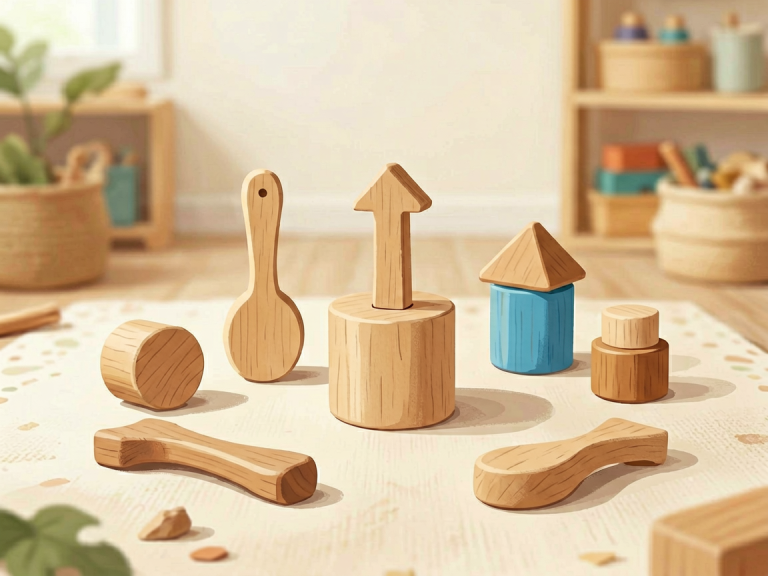
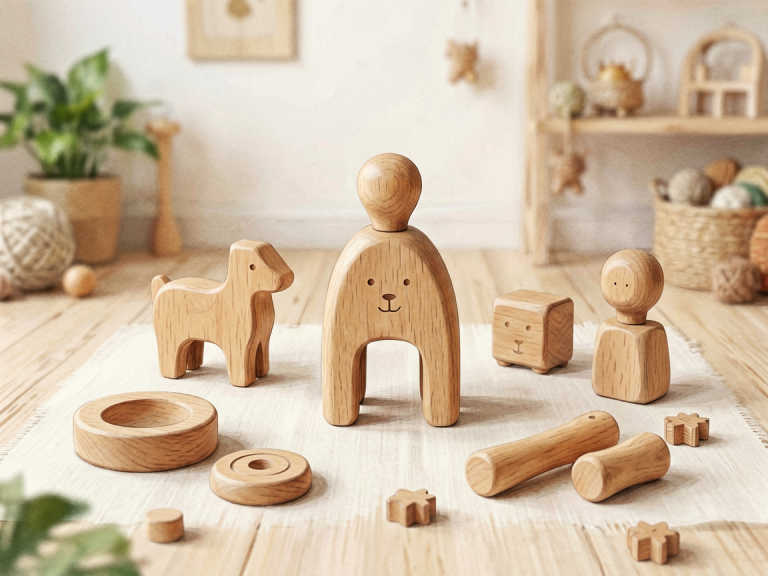
Despite the dazzle of high-tech innovations, classic toys—blocks, puzzles, board games, craft sets, and construction materials—continue to dominate shelves and playrooms. This trend is not merely nostalgic; it is supported by developmental psychology and educational research. For seven-year-olds, classic toys offer a unique blend of simplicity and depth. A set of wooden unit blocks, for instance, can be used to build castles, bridges, and cities, but also to explore symmetry, balance, and proportion. A 500-piece jigsaw puzzle demands patience, visual discrimination, and sustained attention—skills that are increasingly challenged in a fast-paced digital world. Even simple board games like chess and checkers have seen a resurgence, especially in after-school clubs and family game nights. Moreover, many classic toys now come with modern twists: magnetic building tiles (like Magna-Tiles) have become a staple because they combine the satisfying simplicity of blocks with a novel magnetic connection. These toys are “low floor, high ceiling”—easy for a beginner to engage with but offering endless complexity for an expert. Another classic making a comeback is the yo-yo, a simple but mesmerizing toy that teaches hand-eye coordination and persistence. The enduring appeal of classic toys lies in their ability to foster creativity without predetermining outcomes. They are the blank canvas upon which a child’s imagination can paint. For parents, investing in a few high-quality classic toys is often more beneficial than cluttering the home with dozens of single-use, themed gadgets. They also age beautifully: a seven-year-old may use them one way, while a ten-year-old will discover entirely new possibilities, making them sustainable financially and environmentally.
Tips for Choosing the Right Toy: Aligning Trends with Developmental Needs
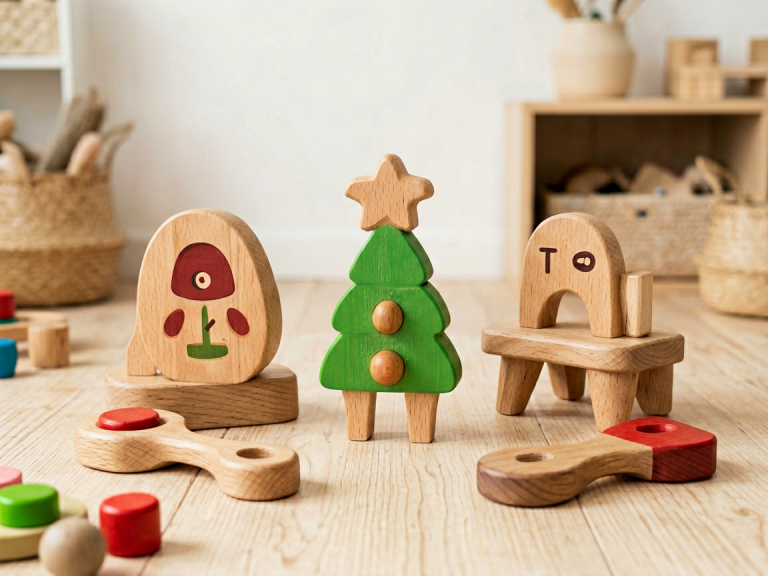
With so many trends competing for attention, how can a parent or educator make a wise choice? The first principle is to know the child. Each seven-year-old is unique; some thrive in collaborative settings, while others prefer solitary, focused projects. Observe what your child gravitates toward: do they spend hours building forts with pillows, or do they try to take apart a remote control? The second principle is to prioritize open-endedness over prescription. Toys that have a single purpose (e.g., a battery-operated car that only goes forward) are quickly abandoned, while materials that can be used in multiple ways—like LEGO bricks, play dough, or art supplies—invite repeated engagement. Third, consider the role of technology: a toy that requires a screen but also physical manipulation (like a coding robot) can be beneficial, but one that passively displays content (like a video-game console spinoff) may be less so. Fourth, think about the social context: does the toy encourage interaction with siblings or friends, or does it isolate? For seven-year-olds, cooperative play is often more valuable than solitary screen time. Fifth, evaluate safety and durability. Many trendy toys are made of cheap plastic and break easily, leading to frustration. Wooden toys, high-quality silicone, and reinforced cardboard are better investments. Lastly, resist the pressure to buy every trend. It is far better to have a small collection of beloved, well-used toys than a mountain of barely touched ones. Ask yourself: Will this toy still be interesting a month from now? Does it inspire my child to create, question, or share? If the answer is yes, then it is likely worth adding to the playroom.
Conclusion
Following toy trends for seven-year-olds is not a passive act of consumerism but an active, thoughtful engagement with a child’s world. The trends we have explored—tech-integrated smart toys, STEM-focused construction sets, sensory and imaginative materials, cooperative games, and the enduring classics—each speak to a different facet of a seven-year-old’s development: cognitive, emotional, social, and creative. The ideal toy is not the one that is most advertised or the one that neighbors rave about; it is the one that fits seamlessly into a child’s life, sparking curiosity, confidence, and connection. As parents and guardians, our role is to curate, not to overwhelm. By staying informed about what the market offers, we can make choices that honor both the child’s current passions and their future growth. Whether a child dreams of programming a robot, weaving a story with a dollhouse, or collaborating on a complex puzzle, the right toy at the right moment can be a powerful ally in their journey. Ultimately, the most important trend to follow is not a product—it is the child themselves, with their ever-changing interests, abilities, and dreams. And that is a trend worth paying attention to.