The Ultimate Parent Guide to Buying Action Figures for 6-Month-Olds (And Why You Probably Shouldn’t)
Introduction: The Battle Between Fantasy and Reality
As a new parent, you’ve likely found yourself standing in the toy aisle, staring at a brightly colored package containing a hyper-detailed, 12-inch action figure with 24 points of articulation, a miniature weapon, and a cape made of synthetic fabric. Your 6-month-old is sitting in the shopping cart, drooling on a teething ring, and you think: “Wouldn’t it be amazing if my baby could already appreciate the cinematic universe of this superhero? Wouldn’t it be cool to start building the collection now?”
Stop right there.
The phrase “parent guide to buying action figures for 6 month olds” sounds like the premise of a sarcastic parenting blog or a cautionary tale from a pediatric emergency room. But the truth is, many well-meaning parents do consider purchasing action figures for their infants—whether out of excitement, nostalgia, or sheer confusion about what a 6-month-old actually needs. This guide will walk you through why traditional action figures are not only unsuitable but potentially dangerous for a half-year-old, and what alternatives can satisfy your desire for “action” while keeping your baby safe, stimulated, and developmentally on track.
By the end of this article, you will understand the developmental milestones of a 6-month-old, the specific hazards posed by typical action figures, the characteristics of infant-safe “action” toys, and a curated list of products that mimic the excitement of action figures without the risks. And yes, you will also learn when—if ever—it becomes appropriate to introduce the real deal.
—
Section 1: Understanding the Developmental Needs of a 6-Month-Old
Before you even consider purchasing any toy, you must understand what is happening inside your baby’s brain and body at six months. This is a period of explosive growth in sensory perception, motor skills, and social awareness—but it has absolutely nothing to do with narrative play or collecting.
Motor Skills: At six months, most babies can sit with support, roll over in both directions, and begin to transfer objects from one hand to the other. They are also putting everything into their mouths. This is the primary way they explore the world: through taste, texture, and oral feedback. Fine motor control is limited to palmar grasps—they cannot yet manipulate small parts or perform pincer grips.
Sensory Development: Vision is still developing. Babies at this age prefer high-contrast patterns, bold colors, and faces. They are drawn to sounds—rattles, crinkles, squeaks. They are beginning to understand cause and effect (e.g., shaking a rattle makes noise). They have no concept of narrative, character, or “action” as adults define it.
Social and Cognitive Development: They enjoy interactive play like peek-a-boo, and they respond to facial expressions. They do not engage in pretend play. They do not care whether a toy is Spider-Man or a generic blob of blue plastic. What they care about is whether it makes a satisfying noise, whether it fits in their mouth, and whether it is easy to grasp.
Armed with this knowledge, ask yourself: does a rigid plastic action figure with a detachable cape and a tiny sword serve any of these developmental needs? The answer is a resounding no.
—
Section 2: The Dangers of Traditional Action Figures for Infants
It would be irresponsible to call this a guide without explicitly listing the hazards. The American Academy of Pediatrics and the Consumer Product Safety Commission have clear guidelines for toys intended for children under three years old, and most action figures violate them flagrantly.
Choking and Aspiration Hazards
The most obvious danger is small parts. A typical action figure often includes accessories like guns, knives, shields, or removable helmets. These pieces are typically smaller than the 1.75-inch diameter test cylinder used for choking hazard evaluation. A 6-month-old’s airway is roughly the diameter of a drinking straw. A thumb-sized plastic sword or a tiny gun can completely obstruct the trachea, leading to asphyxiation within minutes.
Even the figure itself may have small, detachable components—hands, feet, capes with plastic clips, or hair accessories. The Consumer Product Safety Commission reported that in 2022 alone, over 60,000 children under the age of 5 were treated in emergency rooms for toy-related injuries, with choking being the leading cause of death. Do not let your baby be one of those statistics.
Sharp Edges and Points
Many action figures are designed for older children and collectors. They have angular armor, pointed ears, protruding weapons, and rigid plastic that can easily cut or poke an infant’s delicate skin, eyes, or gums. A 6-month-old who grabs a figure and swings it toward their own face can easily scratch a cornea or bruise a cheek.
Toxic Materials
While most toys sold in developed countries comply with safety standards, some action figures—especially older ones, knockoffs, or those purchased from unregulated online marketplaces—may contain phthalates, lead, or BPA. Infants mouth everything, and prolonged exposure to these chemicals can disrupt hormonal development and cause long-term health issues. Even “legitimate” figures may use paints that are not tested for ingestion.
Unintended Ingestion of Fabric
Capes, belts, and fabric clothing on action figures are often attached with plastic fasteners or strings. A baby can chew through fabric, swallow loose threads, or pull off a cape and stuff it into their mouth. Fabric pieces can cause choking or intestinal blockages.
Overstimulation vs. Understimulation
Paradoxically, a highly detailed, rigid action figure may actually *understimulate* a 6-month-old. Babies need toys that respond to their actions—that crinkle, shake, squeak, or light up. A static plastic figure does nothing when batted, dropped, or chewed. After a few seconds, the baby will discard it in favor of a cardboard box or a wooden spoon. You would have paid $30 for a toy that holds less interest than your kitchen utensil.
—
Section 3: What to Look for Instead – Safe “Action” Toys for Infants
Now that we have established that traditional action figures are a bad idea, let’s talk about what *should* be in your shopping cart. The goal is to find toys that satisfy your desire for “action” (movement, interaction, excitement) while being 100% safe for a 6-month-old. Here is the checklist:
Material
- 100% fabric, silicone, or soft plastic (labeled BPA-free, phthalate-free, and non-toxic)
- No sharp edges or points
- No components smaller than 2 inches in any dimension (or securely attached)
Sensory Engagement
- Multiple textures (smooth, bumpy, crinkly, furry)
- Sound-making elements (rattle, squeaker, bell, crinkle paper)
- High-contrast colors or black-and-white patterns
- Bright, saturated hues (red, yellow, blue) to attract visual attention
Interactive Features
- Easy-to-grasp handles or rings (for palmar grasp)
- Parts that move or spin *without detaching*
- Cause-and-effect mechanisms (push a button, hear a sound; pull a ring, a face appears)
Safety Certifications
- Look for ASTM F963 (US) or EN71 (EU) certification
- Avoid toys with strings longer than 12 inches (strangulation risk)
- Ensure any electronic components are securely enclosed
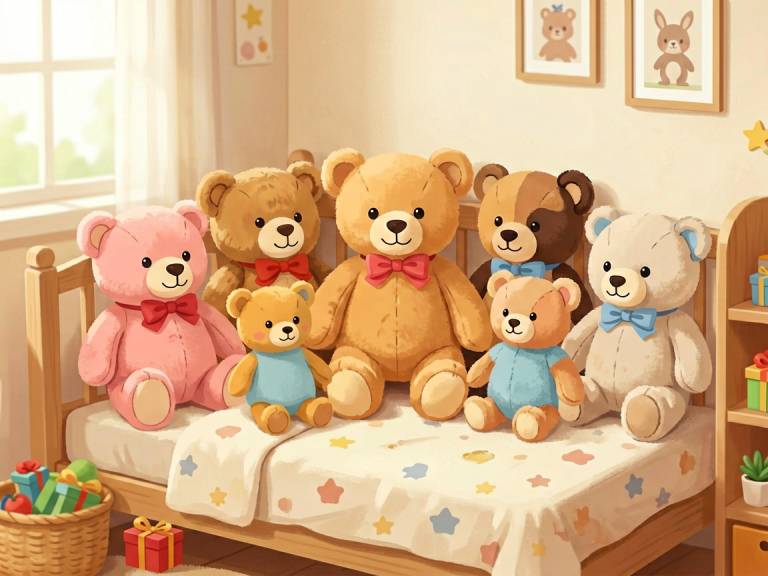
In essence, you are looking for a soft action figure. A plush superhero, a fabric doll with large, embroidered eyes and no removable parts, a silicone teether shaped like a cartoon character, or a crinkle book featuring action hero motifs. These provide the visual appeal of action figures without the risks.
—
Section 4: Features That Mimic Action Figures – But Are Infant-Safe
Let’s break down specific features of adult action figures and see how they can be translated into infant-safe designs.
Articulation
Adult figures have movable joints. For a 6-month-old, articulation is irrelevant and dangerous (joints can catch fingers or pinch). Instead, look for chunky, one-piece figures made of soft fabric or silicone with flexible limbs that cannot be detached. For example, a stuffed superhero doll with stitched-on arms that can be bent (but not twisted off) is perfect. The “movement” comes from the baby’s ability to grasp, shake, and reposition the entire toy.
Accessories
Forget guns and shields. The best “accessories” for an infant are teething rings, rattles, or textured tags sewn onto the toy. Some soft action figures come with a detachable (but large) cape that fastens with Velcro—safe because the Velcro is strong enough to prevent the baby from pulling it off, yet designed so that if they do, the cape is too large to swallow.
Character Recognition
You may want your baby to “know” their favorite superhero. At six months, they recognize faces and patterns, not brands. A plush doll with a large, friendly face, bright eyes, and a smiling mouth is ideal. The “costume” can be suggested through color and simple patterns (e.g., a red and blue fabric doll with a small “S” embroidered on the chest). The baby will not know it’s Superman, but they will be attracted to the contrast.
Sound
Action figures often come with sound chips that say catchphrases. For infants, replace that with a gentle squeaker or a rattle integrated into the body. Some plush toys have music boxes that play lullabies when squeezed. Avoid loud, jarring sounds that could startle or damage hearing.
Light
Many action figures have light-up eyes or chest emblems. For a 6-month-old, soft LED lights (diffused, not point-source) that blink or glow when the toy is squeezed can be fascinating and safe, provided the battery compartment is secured with a screw driver (not just a clip).
—
Section 5: Recommended Products (and What to Avoid)
Here are three categories of safe “action figure” alternatives, plus a few specific brands to consider.
Category 1: Plush Superhero Dolls
- Manhattan Toy Super Hero Baby – Soft, machine-washable, with large embroidered eyes. No small parts. Available in different character themes (e.g., “Mighty Baby”). The limbs are loosely stuffed so they can be grasped easily.
- GUND Super Hero Plush – GUND makes high-quality plush with soft fabrics. Their superhero line includes a classic fabric cape attached with seams, not snaps. The face is simple and friendly.
- Lambie & Co. Action Heroes – Small, easy-to-hold dolls with crinkly hands and feet. They are designed for babies 0+ months.
Category 2: Silicone Teething Action Figures
- Comotomo Superhero Teether – A one-piece silicone mold in the shape of a tiny superhero. No paint, no joints, no accessories. Perfect for chewing. Can be chilled for gum relief.
- Munchkin Little Superhero Teether – Has textured bumps and easy-grip handles. Dishwasher safe. Bright colors.
Category 3: Activity Toys with Action Themes
- Fisher-Price Little Superhero BeatBo – Yes, it follows the superhero convention but is designed for infants: soft plastic, lights, music, and a large button. It plays songs and encourages movement.
- VTech Superhero Learning Toy (for ages 0-24 months) – Features a spinning wheel, a mirror, and crinkle paper inside clear panels. It looks like a comic book character but is all about sensory development.
What to Avoid
- Any action figure with a base stand or display stand – These often have sharp edges or small connectors.
- Figure with “collectible” accessories – Avoid any set that includes multiple tiny items.
- Used or vintage action figures – Older plastics may contain lead or degrade into sharp pieces.
- Any figure with painted-on details that flake – Always choose toys where the color is molded into the material or embroidered.
—
Section 6: Final Thoughts – The “Action Figure” Mindset
As a parent, you are not wrong to want to share your love of action heroes with your child. It is natural to imagine the day when you and your little one will sit on the floor, staging epic battles between Superman and Doomsday, or reenacting scenes from *The Avengers*. But that day is at least two years away—and even then, you will need to supervise.
For now, embrace the absurdity of the phrase “action figure for a 6-month-old.” Laugh at yourself for even considering it. Then walk over to the baby aisle and pick up a crinkly, squishy, brightly colored plush that looks vaguely like a superhero. Your baby will grab it, drool on it, shake it, and smile. That is real action. That is the only action figure your six-month-old needs.
So, here is the ultimate guide in one sentence: Do not buy an action figure for a 6-month-old. Buy a sensory-friendly, soft, non-toxic toy that *looks* like an action figure. Your baby’s safety and development will thank you. And in a few years, when they are three years old and asking for “the real one,” you can laugh about the time you almost bought a six-inch plastic man with a removable cape for a baby who only wanted to eat it.
Remember: the best action figure for a baby is one that cannot choke them, cannot cut them, and cannot break into a dozen pieces. In other words, the best action figure is no action figure at all—just a very nice soft friend.