The Timeless Appeal of Wooden Blocks: A Comprehensive Guide to Deciding Whether You Should Buy Them
—
Introduction
In an age dominated by glowing screens, plastic gadgets, and battery-operated toys that sing, flash, and move on their own, the humble wooden block stands as a quiet testament to simplicity. Yet parents, educators, and even adult collectors frequently pause and ask themselves: “Should I buy wooden blocks?” This question is deceptively simple. On the surface, wooden blocks are just small pieces of carved wood. But beneath that surface lies a universe of developmental benefits, aesthetic charm, environmental considerations, and practical trade-offs. This article will guide you through the multiple dimensions of that question, helping you evaluate whether wooden blocks are a wise investment for your child, your classroom, or your own creative endeavors. By the end, you will have a clear, evidence-based framework to make an informed decision.
—
The Educational and Developmental Power of Wooden Blocks
Fostering Cognitive Growth Through Open-Ended Play
One of the most compelling reasons to answer “yes” to the question “Should I buy wooden blocks?” is the profound impact they have on cognitive development. Unlike many modern toys that prescribe a single function—press a button to hear a sound, or swipe a screen to see an animation—wooden blocks are open-ended. A single block can become a tower, a bridge, a castle, a car, or a spaceship. This flexibility forces a child’s brain to engage in symbolic thinking, planning, and problem-solving. When a toddler stacks two blocks and they fall, she learns about gravity, balance, and cause and effect. When a preschooler builds a symmetrical structure, he exercises spatial reasoning and mathematical concepts like geometry and proportion. Research in developmental psychology consistently shows that children who engage in block play score higher on measures of creativity, executive function, and early numeracy. So if you value a toy that grows with your child and challenges their intellect without a digital crutch, wooden blocks are a strong candidate.
Language and Social Skills in Group Settings
Blocks are also social catalysts. When children play together with blocks, they naturally negotiate, share ideas, and collaborate. A child might say, “You put the big block here, and I’ll balance the small one on top.” This verbal exchange builds vocabulary, sentence structure, and turn-taking skills. Teachers in Montessori and Reggio Emilia classrooms have long used wooden blocks to encourage cooperative learning. In a world where social-emotional learning is increasingly prioritized, blocks offer an organic way to practice patience, empathy, and compromise. So if you are considering buying blocks for a daycare, a classroom, or a playdate setting, the social dividends are substantial.
—
Practical Considerations: Durability, Safety, and Longevity
Built to Last Generations
One of the most frequent objections to buying wooden blocks is their higher upfront cost compared to plastic alternatives. A set of high-quality hardwood blocks can cost anywhere from $30 to $100 or more, while a similar-sized plastic set might be half that price. However, this is a classic case of “buy cheap, buy twice.” Wooden blocks, especially those made from beech, maple, or birch, are extremely durable. They do not crack easily, they resist dents, and they can survive being dropped, thrown, or chewed on (within reason). Many families find that a set of wooden blocks purchased for the first child is still in excellent condition for the second, third, or even grandchildren. In contrast, plastic blocks often become brittle over time, or their colors fade, and they can break at the seams. If you calculate the cost per hour of play, wooden blocks almost always outperform their plastic counterparts.
Safety and Non-Toxicity
For parents of infants and toddlers, the safety of toys is paramount. Wooden blocks, when purchased from reputable manufacturers, are typically finished with non-toxic paints, water-based sealants, or natural oils. They contain no BPA, phthalates, or lead—chemicals that have been found in some plastic toys. Additionally, wood is a natural material that does not off-gas volatile organic compounds. The smooth, rounded edges of well-made blocks reduce the risk of injury, and the solid weight of a wooden block provides satisfying sensory feedback. Of course, you should always check for splinters or loose parts, but quality blocks are sanded to a fine finish. For families who are concerned about microplastics and environmental toxins, wooden blocks offer a clean, safe alternative.
—
Environmental and Ethical Dimensions
Sustainability and Carbon Footprint
When you ask yourself “Should I buy wooden blocks?” you are also asking an environmental question. Wood is a renewable resource—provided it comes from sustainably managed forests. Many companies now use FSC-certified (Forest Stewardship Council) wood and eco-friendly packaging. A wooden block, once it finally wears out, is biodegradable and can be composted or burned for energy, leaving no lasting waste. Plastic blocks, on the other hand, are made from petroleum, a non-renewable resource, and they will persist in landfills for hundreds of years. If you are environmentally conscious, wooden blocks are the greener choice. However, you should research the brand’s sourcing. Some cheap wooden blocks are made from tropical hardwoods harvested illegally or from old-growth forests. Investing in a reputable, transparent brand ensures your purchase aligns with eco-friendly values.
Supporting Craftsmanship and Local Economies
Many wooden block sets are handcrafted by small artisans or manufactured in factories with high labor standards. By buying wooden blocks, you often support traditional woodworking skills and fair wages. In contrast, mass-produced plastic toys are frequently made in factories with questionable labor practices. While not every wooden block set is ethically perfect, there is a stronger cultural and economic incentive for wood toy companies to prioritize quality and ethics. If you care about the story behind your purchase, wooden blocks can be a meaningful choice.
—
Comparing Wooden Blocks to Other Materials
Wood vs. Plastic
Plastic blocks (like large interlocking bricks) have their own strengths: they are lightweight, often cheaper, and can feature snap-together mechanisms that allow for complex engineering. However, they tend to be more rigid in play—children often follow step-by-step instructions rather than inventing freely. Plastic blocks also tend to be louder, and some children find them less satisfying to touch. Wood offers a warmer, more organic feel. It provides natural variation in grain and color, which can stimulate sensory development. If you prioritize imaginative, unstructured play and a calm play environment, wood is superior.
Wood vs. Cardboard or Foam
Cardboard blocks are lightweight and inexpensive, but they crush easily and cannot support heavy loads. Foam blocks are soft and safe for infants, but they lack the weight and durability needed for balancing and building tall structures. Wooden blocks occupy a sweet spot: heavy enough to provide stability, yet light enough for a child to lift and move. They are also easier to clean—a quick wipe with a damp cloth suffices—while cardboard blocks are nearly impossible to sanitize.
—
Who Should Buy Wooden Blocks? A Decision Framework
For Parents of Children Ages 1–6
If your child is in this age range, especially between 18 months and 4 years, wooden blocks are an almost essential addition to the playroom. They support gross motor skills (carrying, stacking), fine motor skills (grasping, placing), and cognitive leaps. They do not require batteries, they never become obsolete, and they encourage independent play. The only caution is for children who still mouth everything—ensure the blocks are large enough to avoid choking hazards (standard unit blocks are usually 1.5 inches or larger). For this demographic, the answer to “Should I buy wooden blocks?” is a resounding yes.
For Educators and Therapists
In preschools, kindergartens, and occupational therapy settings, wooden blocks are a staple. They help children with attention deficits, autism spectrum disorders, and motor delays to focus and build confidence. Many therapists recommend block play as a low-pressure way to work on hand-eye coordination and bilateral coordination. If you are equipping a classroom or therapy room, invest in a high-quality set with a variety of shapes (rectangles, triangles, cylinders, arches). The versatility will pay for itself many times over.
For Adults and Collectors
Adults are increasingly discovering the joy of wooden blocks for mindfulness, architecture modeling, or home decor. A beautifully crafted set of wooden blocks can serve as a meditative tool, a stress reliever, or a conversation piece on a coffee table. Some architects and designers use blocks to prototype spatial ideas. If you are buying for yourself, look for sets with unique shapes, exotic woods, or artistic finishes. The question “Should I buy wooden blocks?” then becomes one of personal aesthetic and purpose—and for many adults, the answer is a delightful yes.
—
Potential Drawbacks and How to Mitigate Them
Cost and Space
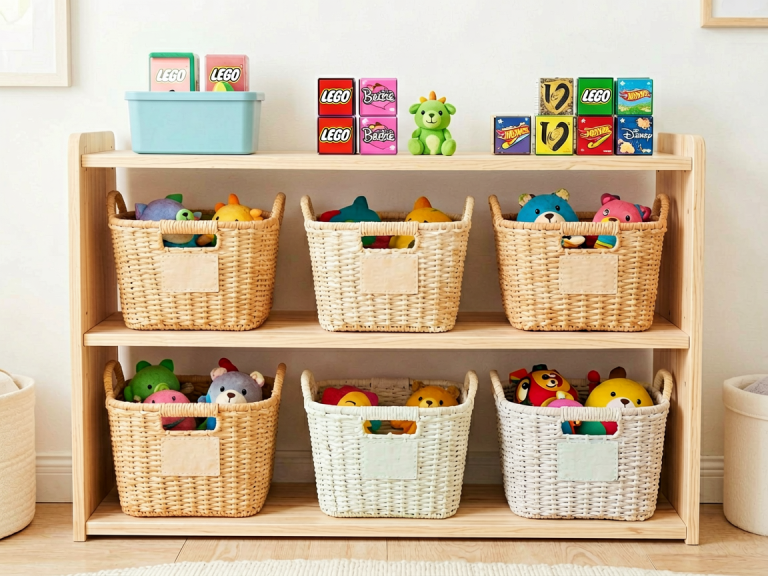
The two main drawbacks are cost and storage. A comprehensive set of high-quality blocks requires a significant initial investment and a dedicated shelf or bin. But you can mitigate cost by starting small: buy a starter set of 30–50 blocks and add more as your child’s interest grows. For storage, use a low, open shelf that invites exploration rather than a deep toy box where blocks get lost. Many families find that the space is worth it because blocks are used daily for years.
Noise and Weight
Some parents worry about the noise of blocks clattering on hardwood floors. A foam play mat can help dampen sound. Also, children can occasionally hurt themselves if a heavy block falls on a toe. However, this risk is minimal compared to the hazards of toys with small parts or sharp edges. Supervision and age-appropriate choices minimize the danger.
—
Conclusion
So, should you buy wooden blocks? Based on the evidence, the answer is a confident “yes” for the vast majority of families, educators, and creative individuals. Wooden blocks are not just toys; they are tools for intellectual, social, and emotional growth. They are durable, safe, environmentally friendly, and infinitely versatile. While the upfront cost may be higher than plastic alternatives, the long-term value—in terms of play hours, developmental benefits, and sustainability—far outweighs the price. Whether you are a parent looking for a screen-free activity, a teacher seeking open-ended materials, or an adult rediscovering the joy of simple creation, wooden blocks are an investment in imagination that will never go out of style. The only real risk is that after buying them, you might find yourself building towers long after the children have gone to bed.
—
*Word count: approximately 1,620 words.*