The Best Building Blocks on a Budget: Unlocking Creativity Without Breaking the Bank
Introduction
Building blocks are more than just toys—they are tools for imagination, problem-solving, and fine motor skill development. From toddlers constructing their first towers to older children designing complex structures, the benefits of block play are well-documented. However, premium brands like LEGO can quickly become expensive, especially when children demand new sets or lose pieces. Parents and educators often ask: *Can I find high-quality building blocks that are affordable?* The answer is a resounding yes. This article explores the best building blocks on a budget, offering practical advice, top recommendations, and money-saving strategies. Whether you are a parent, a teacher, or a hobbyist, you can foster creativity without overspending. We will examine what makes a budget-friendly block set valuable, which features to prioritize, and how to stretch your dollar further. By the end, you will have a clear roadmap to building a versatile collection of blocks—all while staying within your financial comfort zone.
Why Choose Budget-Friendly Building Blocks?
Many assume that cheaper blocks mean lower quality, but that is not always the case. The market is filled with affordable options that rival name brands in durability, compatibility, and play value. Choosing budget-friendly blocks allows families to buy larger quantities, encouraging more elaborate creations. Moreover, children often lose pieces, and investing in inexpensive sets reduces the stress of missing parts. Budget blocks also make it easier to experiment with different types—wooden, magnetic, interlocking plastic—without a major financial commitment. Additionally, many generic or store-brand blocks are designed to be compatible with major brands like LEGO or Mega Bloks, so you can mix and match. This flexibility means your child’s collection can grow organically. Ultimately, the goal of play is learning and fun, not brand loyalty. By focusing on value, you can provide a richer play experience.
Key Features to Look for in Affordable Building Blocks
Before diving into specific products, it is essential to understand what makes a budget block set worthwhile. Here are the critical criteria:
- Material Safety: Even on a budget, blocks must be non-toxic, BPA-free, and free from sharp edges. Look for certifications like ASTM (American Society for Testing and Materials) or EN71 (European safety standard). Wooden blocks should be made from solid, splinter-free wood with safe paints.
- Compatibility: If you already own LEGO or similar bricks, choose sets that are compatible. Many generic brands explicitly state “compatible with major brands.” This allows you to expand an existing collection cheaply.
- Variety of Shapes and Sizes: A good set should include not only standard bricks but also special pieces like wheels, windows, arches, or figures. This diversity fuels creativity.
- Durability: Blocks should click together firmly but not too tightly. They should withstand repeated assembly and disassembly without cracking or losing grip. Reading customer reviews can help gauge longevity.
- Storage and Organization: Budget sets that include a storage box or bag are a bonus. They keep pieces from getting lost and make cleanup easier.
- Age Appropriateness: Ensure the block size is safe for younger children (no small parts for under 3) and challenging enough for older kids.
Top 10 Best Building Blocks on a Budget
Below are my top recommendations, ranging from interlocking plastic bricks to classic wooden blocks. Each offers excellent value for money.
1. Mega Bloks First Builders (Big Building Bags)
Mega Bloks are a household name, but their large, chunky blocks are surprisingly affordable. The “First Builders” line is designed for toddlers (ages 1–3) and comes in large bags (80–150 pieces) for under $20. The blocks are oversized to prevent choking, easy to grip, and compatible with other Mega Bloks sets. They are made from durable, BPA-free plastic. While not as detailed as LEGO Duplo, they offer fantastic value for early builders. For a budget-friendly starter, this is a top pick.
2. LEGO Classic Bricks (Creative Boxes)
LEGO is often expensive, but the LEGO Classic line is designed for open-ended play and is relatively affordable. The “Creative Box” sets (e.g., #11033, 11022) contain 500–1,000 pieces for around $25–$40, depending on sales. These are standard-size bricks in various colors, plus a few special pieces like eyes and wheels. They are perfect for children who want to build without following instructions. The price per brick is lower than themed sets. Keep an eye on Amazon or target for discounts—sometimes they drop below $20 for smaller classic boxes.
3. TEIFOC Building Blocks (Compatible with LEGO)
TEIFOC is a Chinese brand that produces high-quality, LEGO-compatible bricks at a fraction of the cost. A 1,000-piece set (including roads, trees, and mini-figures) often costs around $15–$20. Customer reviews praise their tight clutch power and color consistency. They are made from ABS plastic and meet safety standards. The only downside is that some sets lack instructions for specific models, but for free building, that is not an issue. If you want bulk bricks without the LEGO price tag, TEIFOC is a solid choice.
4. Melissa & Doug Wooden Building Blocks (Standard Unit Blocks)
Wooden blocks are timeless, and Melissa & Doug offers one of the best values. Their “100-Piece Wooden Block Set” retails for about $25–$30. These blocks are crafted from sustainably sourced wood, with smooth edges and natural finishes. They include a variety of shapes—rectangles, squares, triangles, arches, and cylinders. Unlike plastic bricks, wooden blocks encourage gravity-based engineering and stacking skills. They last for generations. For a budget-conscious parent seeking an alternative to plastic, this set is a must-have.
5. PicassoTiles 100-Piece Magnetic Building Blocks
Magnetic tiles have become wildly popular, but many brands are expensive. PicassoTiles offers a 100-piece set for around $35–$40, often with coupons or sales bringing it lower. These tiles are compatible with other magnetic brands (like Magna-Tiles) and include squares, triangles, wheels, and windows. They are made of non-toxic ABS plastic with strong magnets. The vibrant colors and translucent surfaces allow light play. While still a bit pricier than other budget options, they are significantly cheaper than premium brands and offer excellent educational value.
6. Hape Quadrilla Wooden Marble Run Blocks
Marble runs combine building blocks with kinetic energy. Hape’s Quadrilla sets are premium, but the smaller starter sets (e.g., 40-piece) can be found for $30–$40. Hape uses high-quality wood and safe paints. The blocks have grooves and tracks that let marbles cascade down. Though not the absolute cheapest, they offer hours of STEM play. For a budget alternative, consider “Marble Genius” marble runs, which start around $20, but the Hape blocks are more durable and aesthetically pleasing.
7. Plus-Plus Puzzle Blocks (Mini Basic Mix)
Plus-Plus is a unique building system using small, plus-shaped pieces that connect in multiple directions. The “Mini Basic Mix” (600 pieces) costs about $20. These blocks are great for older kids (5+) and adults. They encourage pattern-making, mosaics, and 3D structures. The pieces are tiny, so not for toddlers. Plus-Plus sets are compatible with each other and are surprisingly sturdy. The price per piece is very low, making them an excellent budget choice for creative builders.
8. KID K’NEX (Budding Builders Set)
K’NEX is another classic construction toy, but the smaller sets can be expensive. KID K’NEX is specifically for younger children (ages 3–5) and features chunky, snap-together rods and connectors. A 100-piece “Budding Builders” set costs around $15–$20. It includes animal and vehicle templates. While not traditional blocks, they teach engineering concepts. They are compatible with other K’NEX sets. The plastic is durable, and the pieces are large enough to be safe.
9. Discovery Kids Wooden Castle Building Blocks (120-Piece)
For children who love castles and knights, this wooden block set from Discovery Kids offers themed pieces at a low price (around $15–$20). It includes arches, towers, flags, and even a few plastic knights. The blocks are painted with non-toxic colors and are sized similar to standard unit blocks. They are slightly thinner than some premium wooden sets, but the theme inspires imaginative play. For the price, it is a great addition to a basic block collection.
10. Amazon Basics Building Blocks (1000-Piece Set)
Amazon’s in-house brand has entered the building block market with a massive 1,000-piece set for around $20. These blocks are mostly standard 2×4 bricks and smaller sizes, in basic colors. They are compatible with LEGO. Reviews note that some pieces have slightly loose fits, but the majority work well. The set comes with a storage bag. If you need a huge quantity of plain bricks for the lowest possible cost, this is your best bet. Just be prepared to possibly sift out a few less-than-perfect pieces.
Tips for Maximizing Value and Longevity
Even the best budget blocks require thoughtful care and purchasing strategies. Here are expert tips to get the most out of your investment:
- Buy in bulk, not in themed sets: Themed sets (like a fire station or pirate ship) cost more per piece and often include specialized parts you may not need. Instead, purchase large generic boxes. Your child can use their imagination to build anything.
- Mix and match brands: As mentioned, many generic blocks are compatible. Combine TEIFOC with LEGO, or Mega Bloks with Duplo. Test compatibility before committing to a large purchase.
- Use secondhand markets: Thrift stores, garage sales, and Facebook Marketplace often have bags of blocks for a few dollars. You can find LEGO, Mega Bloks, or wooden blocks. Wash them thoroughly with warm soapy water.
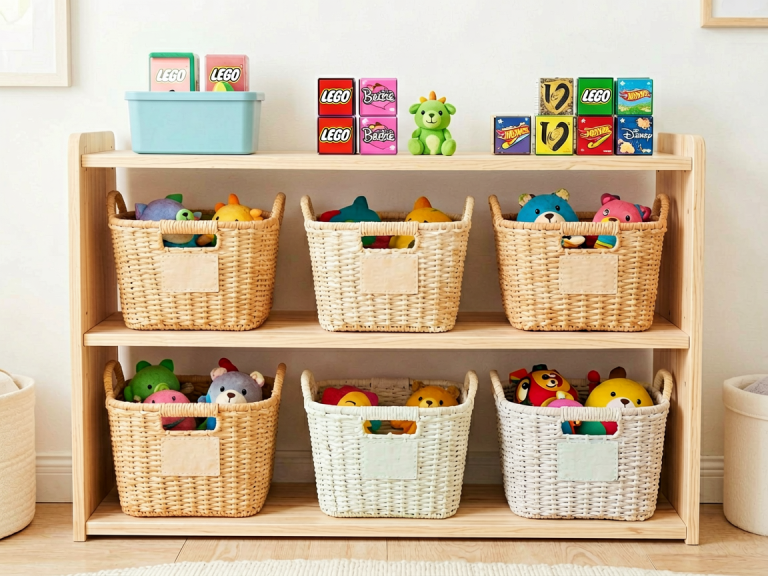
- Store properly: Use clear plastic bins or zippered storage bags. Label them by type (plastic bricks, wooden blocks, magnetic tiles). This prevents loss and makes cleanup easier.
- Encourage open-ended play: Avoid always following instructions. Challenge your child to build a bridge, a tower taller than themselves, or a vehicle that can roll. This extends the value of any block set.
- Consider subscription boxes: Some services like “KiwiCo” offer monthly building projects, but they are not always the cheapest. For a budget alternative, look for local library toy lending programs.
Conclusion
Building blocks are an investment in a child’s cognitive and motor development, but they don’t have to be a financial burden. By choosing wisely—focusing on safety, compatibility, and variety—you can assemble a fantastic collection of blocks without spending a fortune. From the chunky Mega Bloks for toddlers to the endless possibilities of generic LEGO-compatible bricks, the options are abundant. Wooden blocks offer a tactile, classic experience, while magnetic tiles and marble runs add STEM excitement. Remember to shop sales, consider secondhand, and prioritize open-ended sets over themed ones. Ultimately, the best building blocks on a budget are those that spark joy and creativity in your child—and allow you to keep your wallet happy. So go ahead, start building a world of imagination today, one affordable block at a time.