The Hidden Cost of Cheap Plastic Toys: Why Mindful Choices Matter
Introduction
Walk into any discount store, dollar shop, or online marketplace, and you will be greeted by mountains of brightly colored, low-priced plastic toys. For parents on a tight budget, or for those looking to reward a child with a small treat, these toys seem like an irresistible bargain. After all, a toy car for one dollar or a plastic dinosaur set for three dollars appears to offer instant joy without breaking the bank. However, the decision to buy cheap plastic toys is far more consequential than it first appears. Behind the cheerful packaging and the low price tag lie serious issues concerning child safety, environmental sustainability, developmental impact, and even long-term economic costs. This article explores the multifaceted reasons why consumers—especially parents and gift-givers—should think twice before reaching for that cheap plastic toy, and offers guidance on making smarter, more responsible purchasing decisions.
The Allure of Low Prices and Instant Gratification
The primary reason cheap plastic toys dominate the market is simple: price. In an era of rising living costs, many families feel compelled to stretch every dollar. A pack of five plastic action figures for three dollars seems like a wonderful way to keep a child entertained without guilt. Additionally, children themselves are often drawn to the flashy colors, blinking lights, and imitative designs of these toys. The marketing strategies of mass-market retailers and the ubiquity of such items in fast-food kids’ meals or as party favors further normalize their consumption. The psychological appeal is strong: the low price removes the sting of potential breakage or loss, encouraging impulse purchases. Yet this culture of disposability has a darker side that only becomes apparent after the toy is broken, discarded, or—worse—revealed to be hazardous.
Quality Concerns: Durability, Safety, and Hidden Hazards
Durability and Breakage
Cheap plastic toys are typically manufactured with the thinnest, lowest-grade plastics available. They are prone to cracking, shattering, or coming apart within days or even hours of play. Sharp edges, small pieces that detach easily, and brittle components pose choking hazards, especially for toddlers who still explore the world by mouth. Many parents have experienced the frustration of a cheap toy that breaks immediately, leading to tears and the need for a replacement—essentially negating the “savings.” Worse, the broken pieces can become dangerous projectiles or splinters.
Toxic Chemicals and Regulatory Loopholes
One of the most alarming aspects of cheap plastic toys is the potential presence of harmful chemicals. Phthalates, bisphenol A (BPA), lead, cadmium, and other heavy metals are sometimes used in cheap plastics to reduce costs or achieve certain colors and flexibility. While many countries have strict safety regulations (e.g., CPSIA in the U.S., REACH in the EU), toys manufactured in countries with lax enforcement—or those sold outside regulated channels—can slip through the cracks. Studies have consistently found elevated levels of toxic chemicals in discount toys. Ingestion or prolonged skin contact can lead to endocrine disruption, developmental delays, and other long-term health problems. Thus, a cheap toy may come at a high price to a child’s wellbeing.
Environmental Impact: A Planetary Price Tag
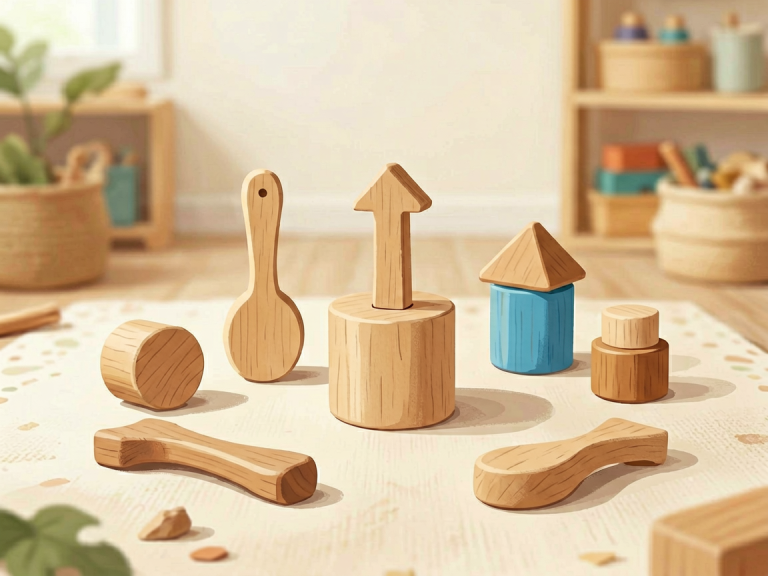
The environmental cost of cheap plastic toys is staggering. Most are made from non-renewable petroleum-based plastics that are nearly impossible to recycle due to their mixed composition, small size, and often embedded electronics. They typically end up in landfills, where they take hundreds of years to decompose, or in oceans, where they break into microplastics that enter the food chain. The carbon footprint of manufacturing and transporting these toys is also significant. The entire lifecycle—from extraction of fossil fuels to production, packaging, shipping, and disposal—contributes to climate change and pollution. Furthermore, the “throwaway” mentality encouraged by these toys normalizes wastefulness, teaching children that objects have little lasting value. In contrast, well-made toys can last for years, be passed down, or be made from sustainable materials like wood, fabric, or recycled plastics.
The Effect on Child Development and Play Quality
Beyond safety and environmental concerns, cheap plastic toys often fail to support meaningful play. Many are designed to be visually stimulating but offer limited interactive or imaginative possibilities. A cheap plastic toy that makes a loud noise and flashes lights may entertain a child for a few minutes, but it does not encourage creativity, problem-solving, or fine motor skills the way that a simple set of building blocks, a dollhouse, or a puzzle does. Developmental psychologists emphasize that the best toys are those that are “100 percent child” and only “10 percent toy”—meaning they allow the child to invent and direct the play. Cheap plastic toys, by contrast, often dictate the play experience with pre-determined sounds, buttons, and limited functions. Over time, a child’s attention span and creativity may suffer. Moreover, the constant availability of new, cheap toys can foster a sense of entitlement and materialism, rather than gratitude and care for possessions.
The Economic Fallacy: Cheap Is Not Always Cost-Effective
Consumers often believe they are saving money by buying cheap toys, but the reality is more complex. If a toy breaks within a week and must be replaced, the cost per play session may actually be higher than that of a more durable, slightly more expensive alternative. For example, a quality wooden puzzle might cost 20 dollars but last for years and be enjoyed by multiple children, whereas the same money spent on ten cheap plastic puzzles might result in five that break immediately and another three that are lost or forgotten. Furthermore, the hidden costs—medical bills from a choking incident, the time spent replacing broken items, and the environmental cleanup—are rarely factored into the purchase price. Buying fewer, better toys is often both cheaper in the long run and more beneficial.
Alternatives and Mindful Purchasing Strategies
So, what can a conscientious buyer do? First, prioritize quality over quantity. Look for toys made from safe, durable materials: solid wood, organic cotton, food-grade silicone, or high-quality recycled plastics. Check for certifications like ASTM, CE, or the GreenGuard label. Second, choose toys that encourage open-ended play: building sets, art supplies, musical instruments, dolls with simple clothes, and so on. Third, embrace secondhand markets. Many nearly-new, high-quality toys can be found at thrift stores, online marketplaces, or toy swaps. Not only does this save money and reduce waste, but vintage toys are often made with better materials than modern cheap plastics. Fourth, consider experiences as gifts: a museum membership, a trip to the zoo, or a class in music or art often creates longer-lasting memories than any toy. Finally, teach children to value and care for their belongings. Even a less expensive toy can be a source of joy if it is treated with respect, but the key is to make intentional choices that align with health, environmental, and developmental values.
Conclusion: Rethinking the Cheap Plastic Toy
The allure of cheap plastic toys is powerful, but the evidence against them is overwhelming. They pose risks to children’s health, contribute to environmental degradation, undermine quality play, and often represent poor economic value. It is time for consumers to shift from an impulse-driven, price-focused mindset to one of mindful stewardship. By choosing fewer, better toys, we not only protect our children and the planet but also teach valuable lessons about quality, sustainability, and contentment. The next time you are tempted by a bin of flashy, dollar-store plastic toys, pause. Consider the hidden costs—and invest in something that truly enriches a child’s life, rather than cheaply filling a moment.