7 Critical Mistakes to Avoid When Choosing Toys for Classrooms – And How to Make Smarter Choices
Introduction
Selecting toys for a classroom is far more than a simple shopping spree. It is a pedagogical decision that can either enrich a child’s cognitive, social, and emotional development or inadvertently hinder it. Teachers and administrators often fall into common traps when purchasing toys, from overlooking safety standards to ignoring the need for inclusive play. This article examines seven frequent mistakes in classroom toy selection, offering research-backed strategies to avoid them. By steering clear of these pitfalls, educators can create a stimulating, safe, and equitable learning environment where every child thrives. The goal is not just to fill shelves with colorful objects, but to curate a purposeful collection that supports curriculum goals, fosters creativity, and respects the diverse needs of young learners.
—
Mistake 1: Ignoring Age Appropriateness and Developmental Stages
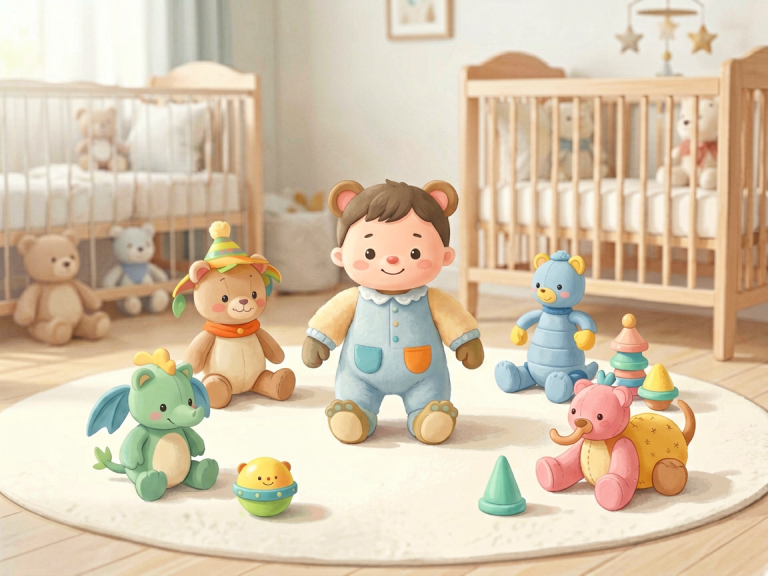
One of the most prevalent errors is buying toys that are either too advanced or too simplistic for the students. A toy meant for a five-year-old may frustrate a three-year-old, while a toddler’s rattle will bore a first grader. When a toy does not match the child’s fine motor skills, language ability, or attention span, it fails to engage and can even lead to behavioral issues.
Why it matters: Developmentally inappropriate toys can cause disengagement, frustration, or safety hazards (e.g., small parts for infants). Conversely, overly simple toys provide no cognitive challenge, stunting growth.
How to avoid: Always check the manufacturer’s age recommendation, but also observe your specific group of children. For mixed-age classrooms, choose toys with adjustable difficulty – such as building blocks that can be used for stacking by younger kids and for complex structures by older ones. Consult developmental milestones charts from organizations like NAEYC to align toy features with actual abilities.
—
Mistake 2: Overlooking Safety Standards and Potential Hazards
Safety is non-negotiable, yet many classroom toy purchases suffer from negligence. Common issues include sharp edges, toxic paints, small detachable parts that pose choking risks, or strings long enough to cause strangulation. Sometimes, cheaply made toys from unverified suppliers slip into the classroom, especially when budgets are tight.
Why it matters: According to the U.S. Consumer Product Safety Commission, thousands of children visit emergency rooms each year due to toy-related injuries. In a classroom with dozens of children, the risk multiplies. Moreover, liability concerns can damage a school’s reputation.
How to avoid: Prioritize toys that carry ASTM (American Society for Testing and Materials) or CE marks. Avoid anything with phthalates or lead – check for non-toxic labels. Perform a simple physical inspection: run your finger along edges, pull on small pieces, and measure any cords (should not exceed 12 inches for children under 3). Keep a log of recalls and regularly audit the toy bin.
—
Mistake 3: Choosing Entertainment Over Educational Value
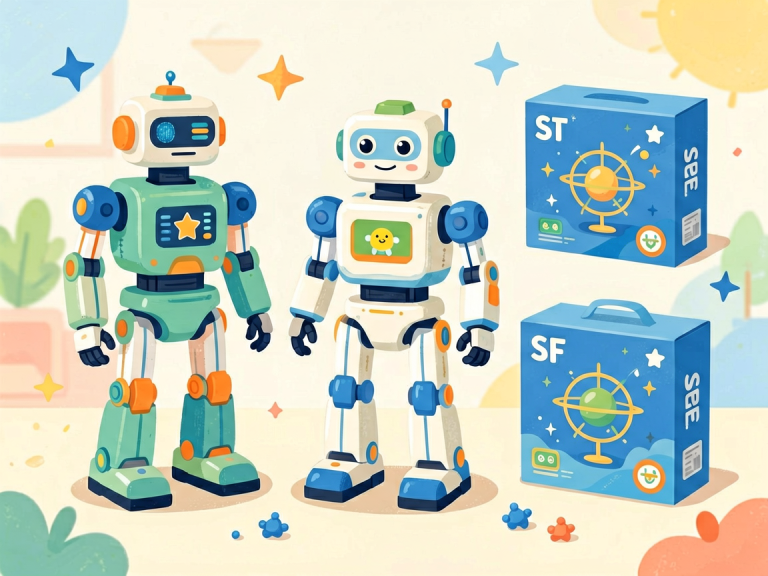
Teachers sometimes gravitate toward flashy, electronic toys that seem to capture attention instantly – battery-operated robots, light-up games, or noisy action figures. While these may amuse children, they often offer limited educational depth. They might teach a single skill (e.g., pressing a button) but fail to encourage open-ended exploration, problem-solving, or social interaction.
Why it matters: Research in early childhood education consistently shows that unstructured, imaginative play with simple materials (blocks, clay, loose parts) fosters executive function, creativity, and language development far more than passive electronic toys. The National Association for the Education of Young Children warns that over-reliance on electronic toys can reduce opportunities for critical thinking and peer collaboration.
How to avoid: Apply the “Three C” test: Does the toy encourage construction (building, making), communication (talking, negotiating), or creativity (imagination, divergent thinking)? Favor open-ended toys like wooden unit blocks, art supplies, pretend play sets, and natural materials. Limit battery-operated toys to no more than 20% of your classroom inventory.
—
Mistake 4: Neglecting Inclusivity and Cultural Diversity
Classroom toys that only reflect one culture, one family structure, or one ability level send subtle messages about who belongs. For example, dolls that only have light skin, puzzles that show only two-parent families, or games that assume all children can see or hear. This mistake marginalizes students from diverse backgrounds and those with special needs.
Why it matters: Inclusive toys help children develop empathy, reduce bias, and see themselves represented positively. A child with a physical disability who never sees a toy wheelchair may feel invisible. A child from a non-English-speaking home may struggle if all toy labels are only in English.
How to avoid: Audit your toy collection for diversity in race, ethnicity, gender roles, family types, and abilities. Purchase dolls with various skin tones and physical features, puzzles showing multi-generational families, and adaptive toys (e.g., large grips for fine motor challenges). Include toys that represent different languages and traditions – bilingual board books, musical instruments from various cultures, and food sets from global cuisines. Consider sensory-friendly toys for children on the autism spectrum.
—
Mistake 5: Buying Too Many Toys (Quantity Over Quality)
Classroom shelves overflowing with toys seem like a dream, but it can actually overwhelm children. When there are too many options, children often flit from one toy to another, never deeply engaging. This leads to shorter attention spans, mess, and increased conflict over sharing. Moreover, teachers spend more time cleaning and organizing than facilitating meaningful play.
Why it matters: A landmark study by researchers at the University of Toledo found that toddlers presented with fewer toys engaged in longer, more creative play sessions. The principle of “less is more” applies directly to classrooms. Overabundance also strains storage and budgets.
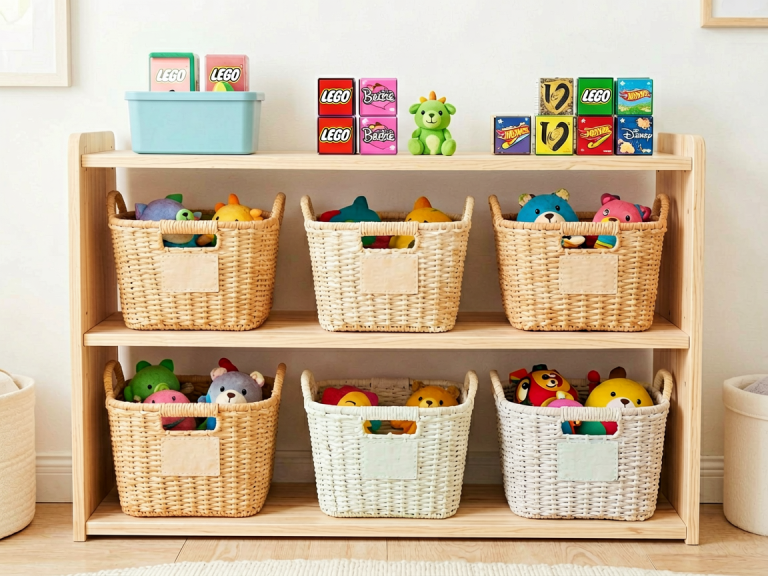
How to avoid: Implement a rotation system. Keep only 15–20 distinct toy types available at any time, and swap them every few weeks. Store the rest in labeled bins out of reach. Focus on versatile, durable toys that can be used in multiple ways (e.g., a set of wooden animals can be used for counting, storytelling, sorting, or imaginative play). Resist clearance sales unless the toys genuinely fill a gap.
—
Mistake 6: Underestimating Storage, Cleaning, and Maintenance Needs
A beautiful wooden train set or a complex magnetic tile kit can quickly become a nightmare if there is no designated storage or if cleaning protocols are impractical. Teachers frequently buy toys that are too large to store, have dozens of tiny pieces that get lost, or are made of porous materials that cannot be sanitized (e.g., fabric that absorbs germs).
Why it matters: Lost pieces render toys useless, and unhygienic toys can spread illness – especially in a post-pandemic world. Cluttered classrooms hinder movement and increase stress for both students and teachers.
How to avoid: Before purchasing, envision the toy’s lifecycle. Does it come with a storage container? Can it be disinfected with a bleach wipe? Are the pieces large enough to be easily counted and tracked? Opt for toys that are dishwasher-safe (e.g., plastic blocks) or can be washed in a garment bag. Use clear, labeled bins and teach children a cleanup routine. Avoid toys with hard-to-reach crevices where dirt accumulates.
—
Mistake 7: Failing to Involve Teachers and Students in the Selection Process
Often, toys are chosen by a school administrator or a purchasing committee without consulting the frontline educators who actually use them – or worse, without considering children’s preferences. A toy that looks great in a catalog may be impractical in a busy classroom. Similarly, forcing children to play with something that does not interest them can lead to resistance.
Why it matters: Teachers know their students’ dynamics – which children need fine-motor challenges, which ones are overwhelmed by loud noises, and what topics spark collective curiosity. Students, when given a voice, feel ownership and are more likely to engage thoughtfully. Excluding them can lead to wasted resources and disengagement.
How to avoid: Create a simple wish list process. Ask teachers to submit suggestions based on observed play patterns. Set up a “toy test day” where children can try out potential new toys and give feedback via smiley-face stickers or group discussions. For older students, use a democratic voting system. The investment in participation pays off in higher usage and happier classrooms.
—
Conclusion
Choosing toys for a classroom is a delicate balance between fun, learning, safety, and practicality. The seven mistakes outlined – ignoring age appropriateness, compromising safety, prioritizing entertainment over education, lacking inclusivity, buying in excess, neglecting storage and hygiene, and excluding teacher/student input – are all avoidable with careful planning. By approaching toy selection as a strategic part of curriculum design, educators can foster an environment where every child feels safe, challenged, represented, and inspired. Remember: the best toy is not the one that makes the most noise or costs the most money; it is the one that invites a child to ask questions, collaborate, and imagine without limits. Next time you shop for your classroom, pause, reflect, and choose wisely – your students’ developmental journey depends on it.