Should I Buy Magnetic Tiles for an 18-Month-Old? A Comprehensive Guide for Parents
Introduction
The question "Should I buy magnetic tiles for my 18-month-old?" is one that many parents of toddlers ponder as they browse toy aisles or scroll through Amazon recommendations. Magnetic tiles—colorful, geometric shapes embedded with magnets along their edges—have become a staple of modern childhood playrooms. Their appeal lies in their simplicity, vibrancy, and the promise of open-ended creativity. But when a child is barely walking, babbling their first words, and exploring the world primarily through mouth and hands, are these toys appropriate? The answer is not a simple yes or no; it requires a careful weighing of developmental benefits, safety concerns, and the unique characteristics of toddler behavior. This article will dissect every angle so that you can make an informed decision for your family.
Safety First: Can Magnetic Tiles Be Used by 18-Month-Olds?
The single most critical consideration for any toy given to a child under two is safety. Magnetic tiles, in their standard form, are typically marketed for ages 3 and up. Why? Because they contain small magnets that, if swallowed, can cause catastrophic internal injuries. The American Academy of Pediatrics (AAP) and the Consumer Product Safety Commission (CPSC) have issued strong warnings about high-powered magnets found in some building sets. However, not all magnetic tiles are created equal.
- Magnets and Ingestion Risk: Most reputable brands of magnetic tiles (such as Magna-Tiles, PicassoTiles, or Connetix) encase the magnets permanently within thick, sealed plastic. The magnets themselves are not removable, and the tiles are relatively large—typically around 3 inches (7.6 cm) on a side. This makes them too big to fit fully into an 18-month-old’s mouth. However, an enterprising toddler might still try to gnaw on a corner, and the plastic could crack if subjected to excessive force or biting. Once cracked, a tiny magnet could be released. Therefore, you must inspect tiles regularly for any damage. If you see a crack, chip, or loose plastic, discard the tile immediately.
- Choking Hazards: While the tiles themselves are not choking hazards, the small magnets inside are. Additionally, some sets include small plastic pieces like wheels, windows, or figurines. For an 18-month-old, those accessory pieces are dangerous. Only the basic square and triangular tiles should be considered, and even then, only under constant adult supervision.
- Material and Toxicity: Check that the tiles are made from BPA-free, phthalate-free, and non-toxic food-grade plastic. Many brands proudly state these certifications on their packaging. An 18-month-old will almost certainly put the tiles in their mouth, so you must ensure the plastic is safe and the colors are lead-free.
- Weight and Sharp Edges: Magnetic tiles are generally lightweight and have smoothly rounded edges. They pose a low risk of causing injury if thrown or dropped, unlike wooden blocks which are heavier and can leave a bruise. This is a point in their favor.
Developmental Benefits: What an 18-Month-Old Gains from Magnetic Tiles
At 18 months, a child is in a period of explosive cognitive and motor development. They are beginning to understand cause and effect, practicing fine motor skills, and developing spatial awareness. Can magnetic tiles support these milestones? Yes, in several important ways.
- Fine Motor Skills: Picking up a flat tile, aligning it with another, and feeling the satisfying “click” of magnetic attraction requires grip strength, hand-eye coordination, and bilateral coordination (using both hands together). An 18-month-old will typically use a palmar grasp to pick up a tile and then experiment with pressing it against another. This is excellent practice for the small muscles in their hands and fingers, which will later be essential for holding a pencil or buttoning a shirt.
- Cause and Effect: Toddlers are natural scientists. When they bring two magnetic tiles close to each other, they suddenly snap together. When they try to push two same-pole sides together, they repel. This immediate, predictable feedback is incredibly engaging and teaches foundational physics concepts. The child learns that their action (moving the tile) produces a reaction (attachment or rejection). This is more compelling than a static block because the magnetic force adds an element of surprise and magic.
- Sensory Stimulation: The tiles offer visual stimulation with bright, translucent colors that children can look through. When placed on a light table or in front of a window, they cast colored shadows, adding another layer of sensory play. The smooth plastic texture and the slight resistance of the magnets provide tactile variety.
- Spatial Awareness and Early Math: While an 18-month-old won’t be building intricate castles, they will start to understand that two triangles make a square, or that stacking tiles vertically creates a tower. This is the earliest form of geometry and spatial reasoning. They learn about balance (a tower will fall if not aligned) and about size (some tiles are bigger than others).
- Language Development: As you play alongside your toddler, you can narrate their actions: “You put the blue square on top! Now it’s a tall tower. Can you find the red triangle?” This builds receptive vocabulary and introduces concepts like colors, shapes, up/down, and more/less.
- Independent Play: Even at 18 months, a child can entertain themselves for short periods with magnetic tiles. They may simply enjoy the repetitive action of clicking tiles together and pulling them apart, which is a form of focused concentration. This can be a welcome break for parents.
Potential Drawbacks and When to Wait
While the benefits are real, there are also compelling reasons to hold off on buying magnetic tiles until your child is closer to 2.5 or 3 years old.
- Frustration Level: An 18-month-old lacks the fine motor precision and cognitive planning needed to build anything stable. They may become frustrated when a tower they helped construct topples over. They might also not yet understand that magnets only connect in certain orientations, leading to repeated failure. This can result in tears and throwing the tiles in anger, which could damage them or hurt someone.
- Short Attention Span: Toddlers are notorious for their fleeting interests. You might spend money on a large set of tiles, only to find your child ignores them in favor of an empty cardboard box or a wooden spoon. Magnetic tiles are a relatively expensive toy (a decent set costs $40-$80). If they are not used, it feels like a waste.
- Choking and Safety Revisited: Even with adult supervision, an 18-month-old can be incredibly fast. You might turn your head for ten seconds, and they could have the tile in their mouth, biting hard enough to crack the plastic. The risk, though low with high-quality tiles, is not zero. For many parents, the peace of mind that comes with waiting until the child is past the intense oral-exploration phase is worth the delay.
- Cleaning and Mess: Magnetic tiles attract dust, pet hair, and other magnetic debris. They also tend to slide off tables and scatter across the floor. An 18-month-old lives on the floor, so you will be constantly picking up and cleaning the tiles. The magnets can also interfere with electronics or credit cards if the child manages to carry them near a phone or wallet.
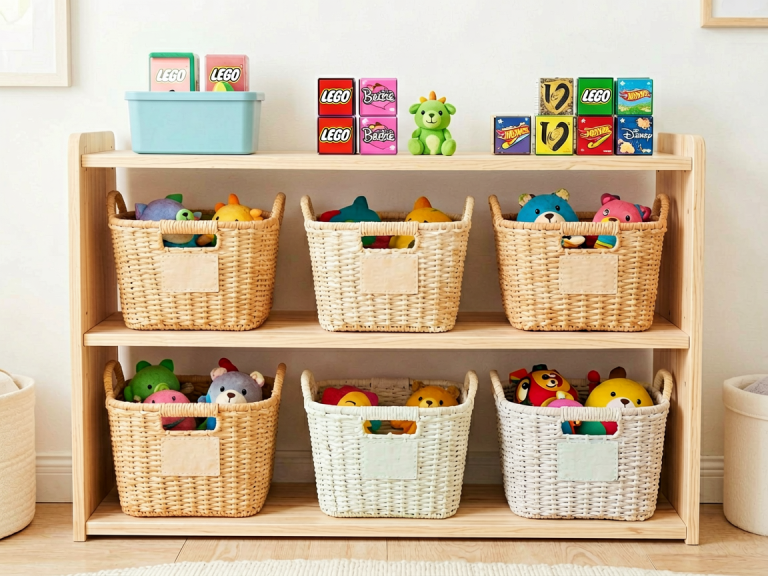
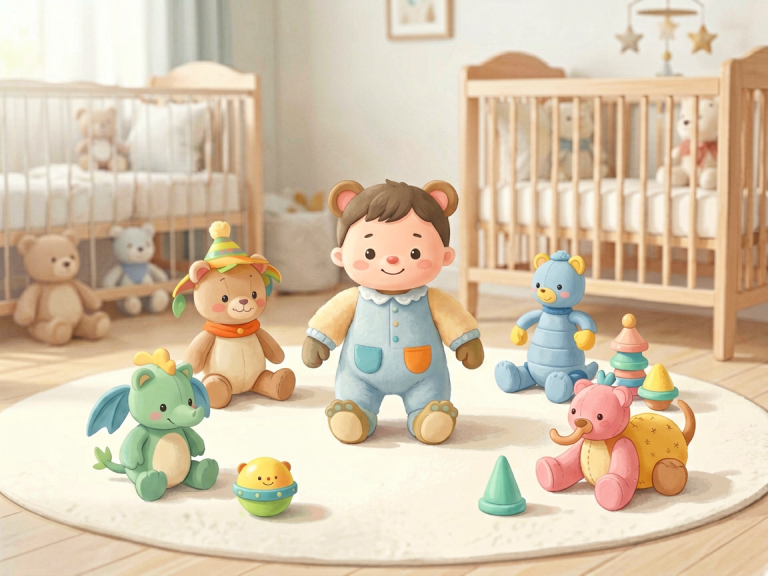
- Alternatives That May Be Better Suited: For an 18-month-old, simpler toys might actually provide greater developmental value. Large, chunky wooden blocks (without magnets) allow for stacking without the frustration of magnetic polarity. Foam blocks are soft, lightweight, and pose no magnet risk. Nesting cups, shape sorters, and simple push-and-pull toys engage the same cognitive skills without the specific hazards.
Expert Recommendations and Parental Wisdom
What do pediatricians, occupational therapists, and early childhood educators say? The consensus is cautious but not prohibitive. Dr. Amanda Gummer, a child development expert and founder of the Good Play Guide, notes that magnetic tiles can be introduced to children as young as 18 months, but only if three conditions are met: (1) The tiles are large and have fully sealed magnets, (2) The play is actively supervised by an adult at all times, and (3) The child is not an aggressive biter or chewer of toys. If your toddler puts everything in their mouth with force, wait.
Many occupational therapists highlight the value of the sensory feedback from the magnets. They often recommend magnetic tiles for children with sensory processing differences because the predictable “click” can be calming. However, they stress that adult co-play is essential. An 18-month-old should not be left alone with the tiles.
Online parenting forums are filled with mixed experiences. One parent might report that their 17-month-old loves lining up tiles and watching them connect, while another says their child simply threw them across the room and then tried to eat a corner. This variability underscores the importance of knowing your own child’s temperament and developmental stage.
Alternatives to Consider Before Buying
If you are leaning toward “no” for now, here are some age-appropriate alternatives that offer similar benefits without the risks:
- Magnetic Wooden Train Sets: Many magnetic train sets (like Brio or Thomas) use large, safe magnets and are designed for toddlers. The pieces are chunky and easy to grasp.
- Foam Building Blocks: These are soft, lightweight, and come in various shapes. They allow for stacking without the frustration of magnets.
- Simple Puzzle Boards: Large, wooden puzzles with knobs are excellent for fine motor skills and shape recognition.
- Sensory Bins: Fill a shallow bin with large, safe objects like fabric scraps, silicone whisks, or uncooked pasta (under supervision). This engages tactile exploration similarly.
If you decide to buy magnetic tiles, start with a small set (12–16 pieces) rather than a giant 100-piece set. Begin by simply modeling how to click two together, and let your child experiment. Put away any accessory pieces. Always store the tiles out of reach when not in use.
Conclusion: Should You Buy Magnetic Tiles for an 18-Month-Old?
The answer is: It depends, but proceed with caution. Magnetic tiles can offer rich developmental benefits—fine motor practice, cause-and-effect learning, and sensory stimulation—that align perfectly with the needs of a toddler. However, the risks of magnet ingestion, choking, and frustration are real and should not be dismissed.
If you decide to buy:
- Choose reputable, large-tile brands with fully sealed magnets.
- Supervise every play session attentively.
- Inspect tiles regularly for damage.
- Remove all small accessory pieces.
- Accept that your child may not build structures yet; they will mostly be connecting and disconnecting.
If you decide to wait until age 2.5 or 3, you are not missing a critical window. Your child will have plenty of time to enjoy the tiles when they are more dexterous, less orally fixated, and better able to engage in creative construction. Either choice is valid—the key is to make a decision based on your child’s unique development, your supervision capacity, and your tolerance for risk. Ultimately, no toy is worth endangering a child’s safety, but with the right precautions, magnetic tiles can be a magical first step into the world of engineering and imagination.