Safe and Stimulating Alternatives to Magnetic Tiles for 6-Month-Olds: A Comprehensive Guide
Introduction
When it comes to early childhood development, the first six months of life represent a period of extraordinary sensory exploration and motor skill acquisition. Parents and caregivers are naturally eager to provide toys that engage their little ones, and magnetic tiles—colorful, stackable, and often used in open-ended construction play—have become a household favorite for older toddlers. However, for a six-month-old infant, magnetic tiles present significant safety risks: small magnets can become loose and pose choking hazards, the hard plastic edges may cause injury, and the magnetic force itself can be dangerous if swallowed. Moreover, the fine motor demands of aligning and stacking tiles are far beyond the capabilities of a half-year-old baby, whose primary modes of interaction are mouthing, grasping, rattling, and visual tracking. This article explores the best alternatives to magnetic tiles specifically designed for six-month-olds, focusing on toys that prioritize safety, sensory stimulation, and age-appropriate developmental milestones such as reaching, grasping, teething, and cause-and-effect learning. Each alternative has been selected based on rigorous criteria including material safety, size, durability, and the ability to engage an infant’s budding curiosity without overwhelming or endangering them.
Why Magnetic Tiles Are Not Suitable for 6-Month-Olds
Before diving into alternatives, it is essential to understand why magnetic tiles should be avoided for infants under twelve months. The primary concern is the risk of ingesting small magnets. Even high-quality magnetic tiles often contain small neodymium magnets embedded within the plastic. If a tile cracks or if the magnet becomes dislodged—a realistic scenario given the exploratory mouthing of a six-month-old—the baby could swallow it. Ingesting multiple magnets can cause intestinal perforation or twisting, requiring emergency surgery. The U.S. Consumer Product Safety Commission has repeatedly warned against magnetic toys for children under three. Additionally, the hard, rigid plastic of magnetic tiles can cause bruising or cuts if a baby flails or drops them on their face. The cognitive demands are also off-target: six-month-olds lack the hand-eye coordination to stack tiles, and the magnetic attraction may frustrate rather than fascinate them. Therefore, while magnetic tiles are wonderful for preschoolers, they have no place in a six-month-old’s toy collection.
Criteria for Choosing Safe Alternatives for 6-Month-Olds
To identify the best alternatives, we must establish a clear set of criteria. First and foremost, safety is non-negotiable: toys must be BPA-free, phthalate-free, and made from food-grade silicone or non-toxic wood with lead-free paint. They should be large enough to prevent swallowing—typically at least 1.25 inches in diameter—with no small parts that can be detached. Secondly, sensory engagement is critical. At six months, babies are developing vision (contrast and color perception), hearing (responding to sound), and tactile sensitivity. Toys that offer varied textures, gentle rattles, crinkles, or squeaks are ideal. Third, motor skill development should be supported: toys that encourage grasping, transferring from one hand to another, banging, and bringing to the mouth are perfect. Fourth, durability and cleanability matter, since toys will be dropped, chewed, and possibly even dropped into the bath. Finally, the toy should be versatile enough to grow with the child, offering multiple stages of play. The following alternatives meet or exceed these criteria.
Top 5 Alternatives to Magnetic Tiles for 6-Month-Olds
1. Silicone Stacking Cups (Flexible, Multipurpose)
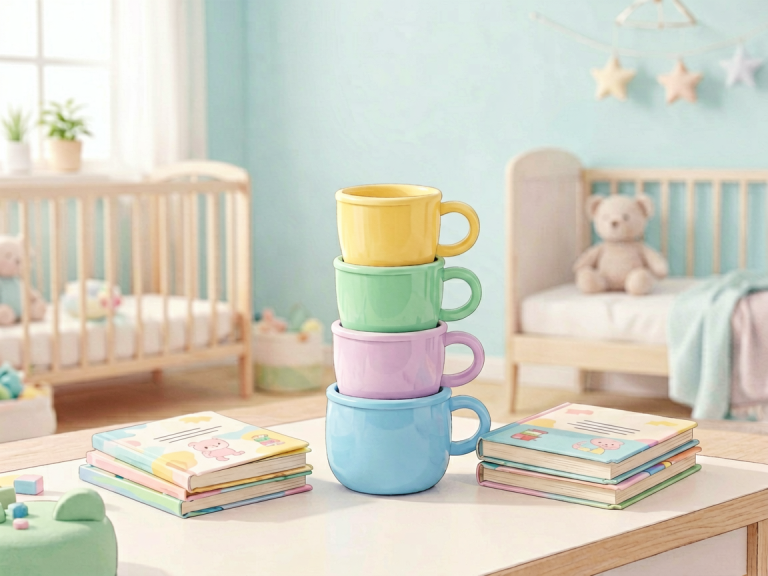
Silicone stacking cups are perhaps the single best alternative for six-month-olds. Unlike rigid plastic magnetic tiles, these cups are made from soft, flexible, food-grade silicone that is gentle on gums and safe for mouthing. They often come in sets of six or eight, with each cup featuring a different color, size, and surface texture—some have ridges, bumps, or smooth sections. Infants can grasp the cups easily with their developing palmar grasp, bang them together to produce satisfying sounds, and eventually learn to stack them (though true stacking usually emerges around eight to ten months). The cups can also be used in the bath for water play, or nested inside each other for a surprising cause-and-effect reveal. Importantly, there are no small parts, no magnets, and no hard edges. Brands like B. toys, Green Toys, and Munchkin offer versions with detachable tops that double as teethers. The versatility of silicone stacking cups makes them a long-lasting investment that evolves from teething toy to stacking challenge to bath companion.
2. Crinkle Fabric Sensory Books (Visual and Auditory Stimulation)
Crinkle fabric books are another excellent alternative, particularly for infants who are beginning to show interest in contrasts and bright colors. These soft, cloth-bound books contain plastic sheets inside that crinkle when touched, providing an instant auditory reward. The pages often feature high-contrast patterns (black and white, bold primary colors), simple faces, and attached textures like felt flaps, ribbons, or mirror panels. Six-month-olds can hold the book with two hands, bring it to their mouth, and enjoy the crinkle sound every time they press down. Unlike magnetic tiles, which are static, crinkle books actively respond to the baby’s touch, reinforcing the idea that their actions have consequences—a foundational concept for cognitive development. Many crinkle books are machine-washable and have cloth tabs or handles for attachment to a stroller or car seat. The lack of small detachable pieces eliminates choking hazards. Some think of them as “soft screens” without the screen: they capture attention, promote visual tracking, and offer tactile variety without any electronic stimulation.
3. Textured Teething Rings and Grasping Toys (Oral and Tactile Exploration)
Teething is a dominant phase for most six-month-olds, as their first teeth begin to erupt. A well-designed teething ring or grasping toy can serve double duty: soothing sore gums while also strengthening hand muscles. Look for options made from 100% silicone or natural rubber, with multiple textures—bumpy, ridged, smooth, and knobby. Some rings have a built-in rattle or chime element, adding an auditory dimension. The key advantage over magnetic tiles is that teething toys are intentionally designed for mouthing. They are large enough to hold safely (often in a dumbbell or O shape), and they can be chilled in the refrigerator (not freezer) for extra gum relief. Brands such as Sassy, Nuby, and Sophie la Girafe (though Sophie is harder rubber, not silicone) produce popular models. For extra variety, choose a set that includes a ring with different textures on each segment. This alternative directly addresses the primary sensory need at this age—oral exploration—while fostering fine motor development through grasping and transferring the toy from one hand to the other.
4. Soft Wooden Block Sets (Non-Toxic, Rounded Edges)
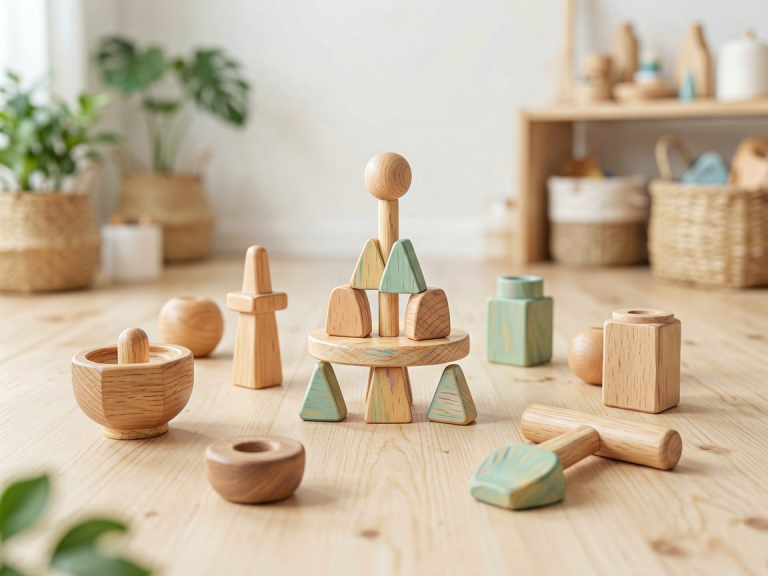
For parents who love the idea of building blocks but recognize that magnetic tiles are too rigid and hazardous, soft wooden blocks are the perfect compromise. These blocks are made from natural, untreated wood (or wood with water-based, non-toxic finishes) and sanded to a smooth, rounded finish. They are larger than standard building blocks—typically 2-3 inches in each dimension—to prevent swallowing. At six months, babies cannot stack them intentionally, but they can hold them, bang them together, and explore the weight and texture of natural wood. Some sets feature painted patterns or embedded mirrors, but the safest choices are simple, unpainted blocks that rely on the wood grain for visual interest. The heft of wood provides a different sensory experience from silicone or fabric: it is grounding and resistant to bending. As the baby grows, these blocks transition into stacking, grouping by shape or color, and eventually construction. They are durable enough to be passed down through siblings. Unlike magnetic tiles, they have no magnets to worry about, and the wood is naturally antimicrobial when kept dry.
5. Activity Play Gyms with Hanging Sensory Toys (Whole-Body Engagement)
While not a handheld toy in the same sense as magnetic tiles, an activity play gym (or baby gym) offers an alternative play environment that promotes reaching, batting, and visual tracking—skills that magnetic tiles cannot address at all. A good play gym consists of a soft mat with a sturdy arch from which various sensory toys are suspended. For a six-month-old who is beginning to roll and reach overhead, the hanging toys—which may include soft rattles, crinkly objects, mirrors, and teething rings—are ideal. The baby can lie on their back and swat at the toys, or later sit up and pull on them. This whole-body engagement strengthens neck, arm, and core muscles. The key is to choose a gym with detachable toys that can be removed for independent handheld play, thereby offering longevity. Many play gyms also have a musical or vibration feature, but for a six-month-old, simple auditory cues from the toys themselves are preferable to electronic sounds. This alternative provides a rich, multi-sensory experience that magnetic tiles could never replicate, and it is entirely safe as long as the toys are securely attached.
Detailed Comparison of Alternatives
To help you decide, here is a side-by-side comparison of the five alternatives against the criteria established earlier:
| Alternative | Safety (No Small Parts, Non-Toxic) | Sensory Engagement | Motor Skill Development | Durability & Cleanability | Versatility / Longevity |
|————-|————————————|——————–|————————-|—————————|————————-|
| Silicone Stacking Cups | Excellent (soft, large) | Excellent (colors, textures, sound) | Excellent (grasp, bang, stack later) | Excellent (dishwasher safe) | High (0-18 months) |
| Crinkle Sensory Books | Excellent (cloth, no detachables) | Excellent (sound, contrast, textures) | Good (hold, mouth, page turning) | Good (machine washable) | Moderate (0-12 months) |
| Textured Teething Rings | Excellent (silicone/rubber) | Good (textures, some rattles) | Good (grasp, transfer) | Excellent (dishwasher safe) | Moderate (3-12 months) |
| Soft Wooden Blocks | Excellent (large, non-toxic) | Moderate (weight, grain) | Good (hold, bang) | Good (wipe clean) | High (0-3 years) |
| Activity Play Gym | Excellent (secure attachments) | Excellent (multiple hanging toys) | Excellent (reaching, batting) | Good (spot clean mat) | High (0-12 months) |
As the table shows, silicone stacking cups and activity play gyms score highest overall for a six-month-old, but the best choice depends on your baby’s individual preferences. Some infants are fascinated by crinkling sound; others prefer the cool, smooth surface of a teether.
Tips for Choosing and Using Alternatives Safely
Even with safe toys, supervision is paramount. Always inspect alternatives regularly for signs of wear—silicone can develop tears with aggressive biting, and fabric books may have loose threads. Wash toys before first use and after any drop on a dirty floor. Rotate toys to maintain novelty; a six-month-old’s attention span is short, and a toy that is put away for a week becomes “new” again. Avoid toys with strings longer than 12 inches to prevent strangulation. Finally, trust your instincts: if a toy seems too stimulating (e.g., overly loud rattles or bright flashing lights), it may overstimulate rather than soothe. The goal is gentle engagement, not sensory overload.
Conclusion
While magnetic tiles are undeniably popular and beneficial for older children, they are simply not appropriate for a six-month-old infant. The dangers of magnet ingestion, hard edges, and developmental mismatch make them a poor choice during the first year of life. Fortunately, there is no shortage of excellent alternatives that are safer, more engaging, and better suited to a baby’s unique developmental stage. Silicone stacking cups, crinkle fabric books, textured teething rings, soft wooden blocks, and activity play gyms each offer distinct benefits—from soothing sore gums to building the foundation for cause-and-effect learning. By choosing these alternatives, you not only protect your baby from harm but also provide rich opportunities for sensory exploration, motor skill development, and joyful discovery. Remember that the best toy for a six-month-old is one that invites interaction, responds to their actions, and adapts as they grow. In this way, the alternatives to magnetic tiles are not merely substitutes—they are superior choices for a baby’s first year of play.