The Paradox of Plenty: Why Buying Too Many Toys for 5-Year-Olds Hinders Their Development
Introduction
Walking into the bedroom of a typical five-year-old today can feel like stepping into a miniature department store. Shelves groan under the weight of action figures, puzzles, building blocks, dolls, stuffed animals, board games, and electronic gadgets. Birthdays and holidays bring avalanches of new presents, and well-meaning parents, grandparents, and friends add to the pile with each visit. At first glance, this abundance seems like a blessing. After all, isn’t childhood supposed to be a time of wonder, exploration, and play? And don’t toys provide the tools for that play?
Yet a growing body of research in child development, psychology, and early childhood education suggests that buying too many toys for five-year-olds can actually be counterproductive. Far from enhancing a child’s imagination or learning, an excess of playthings can overwhelm a young mind, fragment attention, reduce creativity, and even lead to behavioral issues. This article explores the hidden costs of toy overabundance, examines why parents fall into the trap of overbuying, and offers practical strategies to restore a more balanced, meaningful play environment.
The Problem of Overabundance: How Too Many Toys Affect Play
At five years old, children are in a critical developmental stage. They are refining their fine motor skills, learning to navigate social relationships, and developing the ability to sustain focus on a task. Play is the primary vehicle for all of this growth. But when a child is surrounded by dozens—or even hundreds—of toys, the quality of their play changes dramatically.
A landmark study published in *Infant Behavior and Development* (2017) found that toddlers and preschoolers who played in a room with fewer toys engaged in longer, more creative, and more focused play sessions compared to those with an abundance of choices. The researchers observed that when children had only four toys available, they played with each one for a longer period, invented more elaborate stories, and demonstrated higher levels of problem-solving. In contrast, children faced with a large selection flitted from one toy to the next, never fully immersing themselves in any single activity.
This phenomenon is called “choice overload,” and it applies to young children just as it does to adults overwhelmed by too many options on a Netflix menu. A five-year-old’s developing prefrontal cortex—the part of the brain responsible for decision-making and impulse control—is simply not equipped to handle an avalanche of temptations. Instead of choosing a toy and diving deep into imaginative play, the child becomes distracted by the sheer volume of possibilities, switching toys every few minutes. The result is shallow, fragmented play that fails to nurture deep cognitive skills.
Attention Fragmentation and Reduced Creativity
One of the most alarming consequences of toy overabundance is its impact on attention span. In an era where digital distractions already compete for children’s focus, an overflowing toy box only exacerbates the problem. A five-year-old who has twenty different puzzles, thirty action figures, and a dozen craft kits learns a subtle but destructive lesson: that it is normal to abandon one activity for another as soon as the novelty wears off.
Creativity thrives on constraints. The classic example is a child who, given a single cardboard box, can transform it into a spaceship, a castle, or a time machine. But when the same child has a shelf full of pre-fabricated, single-purpose toys, the need to imagine and invent diminishes. A toy that requires no creativity—a plastic button that makes a sound when pressed—offers no room for the child to expand upon it. The child becomes a passive consumer of the toy’s intended function rather than an active creator of their own play narrative.
Moreover, studies on sustained symbolic play—a key indicator of cognitive development—show that children who regularly engage in long, uninterrupted play sessions develop better language skills, emotional regulation, and executive functions. When toys are too plentiful, these extended play sequences rarely happen. The child flits from a train set to a dollhouse to a coloring book, and each transition resets their mental state. The brain never enters the deep, focused “flow” state where true learning occurs.
The Impact on Social and Emotional Development
Beyond cognitive effects, an excess of toys can also shape a five-year-old’s social and emotional landscape. At this age, children are learning to share, take turns, negotiate, and empathize with peers. These skills are best practiced in collaborative play with siblings or friends. But when each child has an abundance of their own toys, the natural motivation to share decreases. Why ask for a turn with a friend’s toy when you have five similar ones waiting at home?
Furthermore, the act of constantly receiving new toys can inadvertently teach a child that happiness is tied to acquisition. Every new plastic gadget or character figurine delivers a brief dopamine spike, but the satisfaction fades quickly. The child then looks forward to the next acquisition, developing an early pattern of materialism that psychologists call “the hedonic treadmill.” By age five, some children already show signs of entitlement or dissatisfaction when they don’t receive a desired toy. This can lead to tantrums, ungratefulness, and difficulty appreciating what they already have.
Interestingly, research on gratitude in early childhood indicates that children who have fewer toys tend to show more appreciation for each item. They develop deeper attachments to their possessions, taking better care of them and deriving more joy from imaginative play. A five-year-old with only a few beloved toys might name them, create personalities for them, and weave them into elaborate stories that last for weeks. Such emotional investment is rare when toys are disposable and abundant.
The Consumer Trap: Why Parents Overbuy
Given these negative effects, why do so many parents continue to buy too many toys for their five-year-olds? The reasons are complex and deeply rooted in modern culture.
First, there is the pressure of guilt and comparison. Many parents work long hours and feel that buying toys is a tangible way to express love and compensate for time spent away. Seeing other children with the latest popular toy—often through social media or playground conversations—can trigger anxiety that their own child might miss out or be left behind. The toy industry capitalizes on this fear, marketing directly to children and creating a sense of urgency around new releases.
Second, grandparents and extended family often contribute to the accumulation. Grandparents, in particular, may derive great joy from giving gifts and may not realize that their generosity is contributing to an overcrowded playroom. Holidays and birthdays become events where quantity is implicitly celebrated—more presents under the tree means more love, or so the thinking goes.
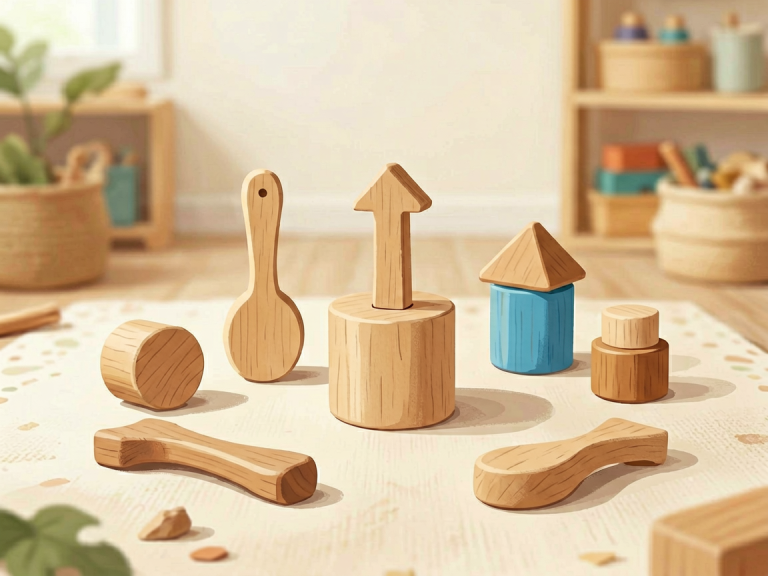
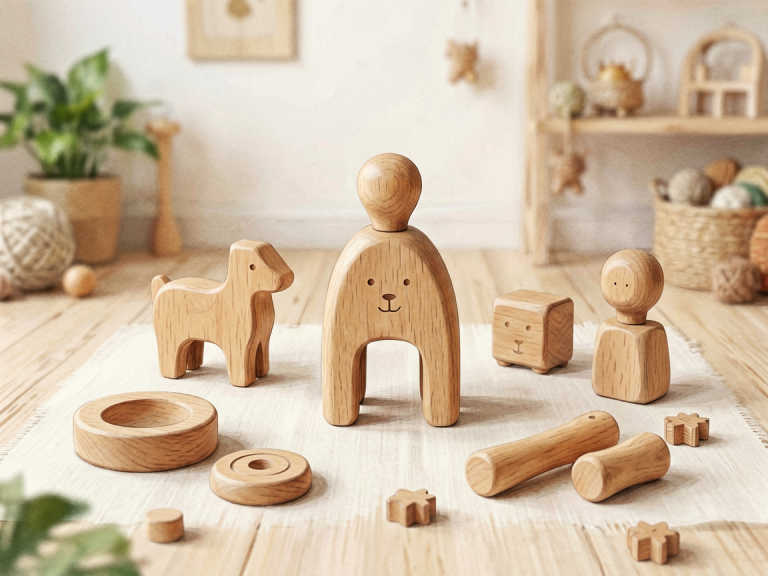
Third, there is the myth that more toys equal more learning. Parents see brightly colored educational toys and assume that each one teaches a different skill: this puzzle teaches spatial reasoning, that app teaches phonics, this building set teaches engineering. In reality, a child learns much more from the *process* of play than from the specific toy. A simple set of wooden blocks can teach physics, creativity, patience, and cooperation if used consistently. Thirty specialized toys often teach nothing well.
Finally, convenience plays a role. In a busy household, it can feel easier to purchase a new toy to occupy a child for an hour than to engage in sustained, unstructured play. The toy acts as a babysitter. But this short-term relief comes at the long-term cost of undermining the child’s ability to self-entertain and find joy in simple activities.
Practical Solutions: Quality over Quantity
So, what can parents do to reverse the tide of toy overabundance without causing tears or rebellion? The goal is not to deprive a child, but to create a play environment that fosters deep engagement, creativity, and emotional health.
1. Implement a Toy Rotation System
Instead of keeping all toys accessible at once, put most of them in storage. Rotate a small selection—say, 15–20 items—into the child’s play area every few weeks. This keeps the novelty alive without overwhelming the child. Studies show that children play longer and more creatively when they rediscover old toys that feel fresh again.
2. Prioritize Open-Ended Toys
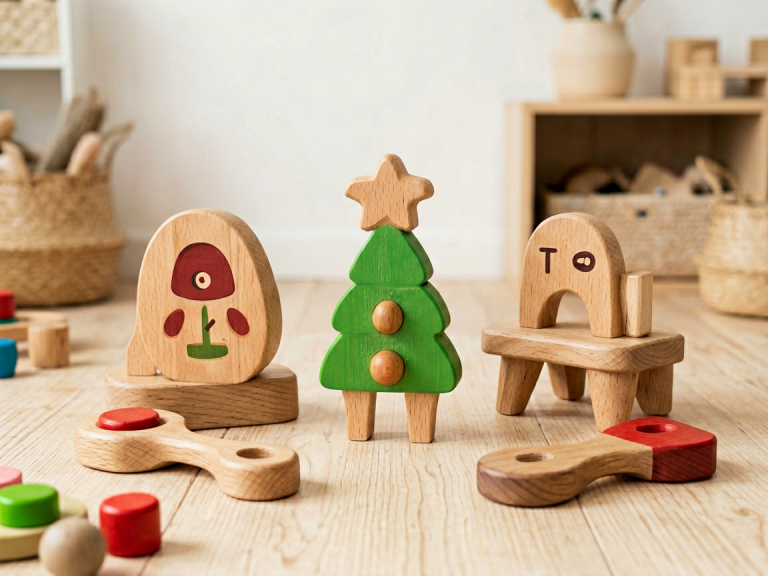
Choose toys that can be used in multiple ways: building blocks, art supplies, play-dough, dress-up clothes, simple dolls, and wooden trains. Avoid single-purpose plastic gadgets that flash lights and make noises but leave little room for imagination. A five-year-old can turn a set of stacking cups into a castle, a drum, a hat, or a tower—but a battery-operated robot can only be one thing.
3. Set Clear Gift Guidelines for Family and Friends
It can be awkward, but parents can kindly request that grandparents and others give experiences (tickets to a zoo, a membership to a children’s museum, a subscription to a craft kit), contributions to a savings account, or one high-quality, open-ended toy instead of multiple cheap items. Many families have successfully used “four gift” rules: something they want, something they need, something to wear, and something to read.
4. Teach Gratitude and Care
Involve your five-year-old in sorting and donating toys they have outgrown or no longer play with. Explain gently that other children would be happy to receive them. This not only manages the clutter but also builds empathy and reduces attachment to material goods. When a child receives a new toy, encourage them to take care of it and play with it mindfully rather than immediately moving on to the next.
5. Embrace Boredom
Contrary to popular belief, boredom is beneficial for a five-year-old. When there are no flashy toys to distract them, children are forced to use their own inner resources to create play. They talk to themselves, invent characters, draw, build, and explore the backyard. Resist the urge to fill every quiet moment with a new purchase. Let them be bored—and watch their creativity blossom.
Conclusion
We live in a culture that equates love with acquisition, and nowhere is this more visible than in the mountains of toys that fill the homes of young children. But the evidence is clear: buying too many toys for a five-year-old does not make them happier, smarter, or more creative. On the contrary, it fragments their attention, stifles their imagination, and sows the seeds of materialism and dissatisfaction.
The best gift we can give a five-year-old is not the newest toy on the shelf, but the time, space, and permission to play deeply with a few beloved objects. A single cardboard box, a set of wooden blocks, a stack of picture books, and a loving adult who sits down to play alongside them—these are the ingredients for a rich, developmental powerful childhood.
As parents, we can resist the pressure to accumulate and instead choose mindful moderation. By doing so, we allow our children to discover the joy of true play, the kind that comes not from a store, but from the boundless creativity inside their own minds.