The Paradox of Plenty: Why Buying Too Many Toys for 3-Year-Olds May Be Harmful
Introduction
Every parent wants the best for their child, and in a world overflowing with colorful, blinking, and noise-making toys, it is easy to fall into the trap of believing that more toys mean more happiness, more learning, and more development. Yet, when it comes to three-year-olds—a stage of rapid cognitive, emotional, and social growth—the decision to buy too many toys can backfire in surprising ways. While the intent is loving, the outcome often is not. A cluttered playroom, a distracted toddler, and a frustrated parent are common signs of a deeper issue: the paradox of plenty. This article explores the psychological, developmental, and practical consequences of overindulging a three-year-old with toys, and offers evidence-based guidelines for mindful purchasing.
The Psychological Impact of Overabundance
Three-year-olds are at a critical juncture in their ability to focus, make choices, and regulate emotions. When faced with an overwhelming number of toys, their developing brains can become overloaded. Research in developmental psychology shows that young children thrive in environments with moderate variety—not excessive options. The phenomenon known as “choice overload” applies even to toddlers. A child surrounded by dozens of dolls, cars, blocks, and puzzles may flit from one item to another, unable to engage deeply with any single toy. This shallow play pattern undermines the development of sustained attention, a skill that is foundational for later academic success and problem-solving.
Moreover, the constant novelty of new toys can create a cycle of diminishing satisfaction. The more toys a child receives, the less joy each new acquisition brings. This is a classic case of hedonic adaptation: the initial thrill fades quickly, and the child soon craves the next purchase. Over time, the child may learn that happiness is external and fleeting, rather than internal and lasting. Studies have shown that children from homes with fewer toys actually engage in more creative, focused, and cooperative play. They learn to invent games, share resources, and find joy in simple activities—skills that are far more valuable than any plastic gadget.
The Impact on Play Quality and Creativity
Play is the work of childhood, and for a three-year-old, the quality of play directly shapes brain development. When toys are too numerous, the play environment becomes fragmented. Instead of building a single elaborate castle with blocks, the child might dump all the blocks, then abandon them for a truck, then discard the truck for a musical instrument. The result is a scattered, short-lived play session that offers little opportunity for problem-solving, sequencing, or imaginative storytelling.
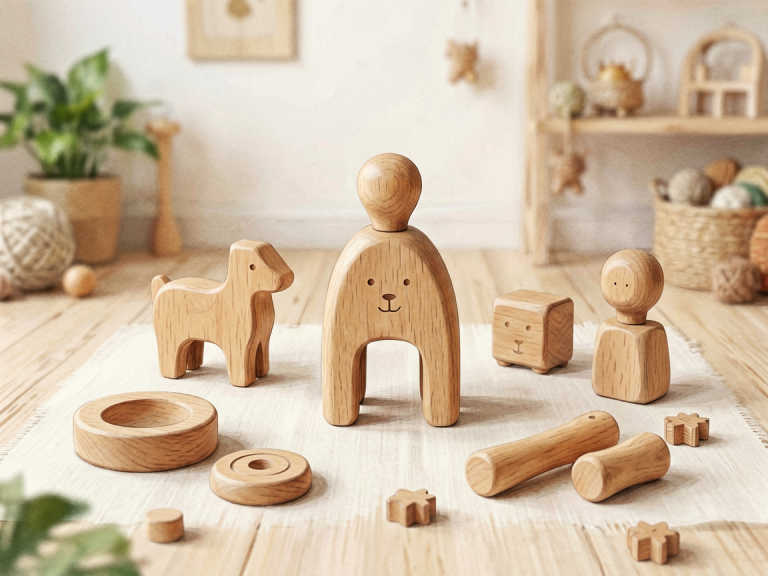
Creativity thrives on constraint. Jean Piaget, the renowned developmental psychologist, emphasized that children learn best by acting on their environment and constructing their own understanding. Too many toys pre-package experiences and limit the child’s need to invent. For example, a single set of wooden blocks can become a bridge, a house, a mountain, or a spaceship. But if the child also has a pre-made plastic castle with lights and sounds, the imagination often takes a back seat. The toy does the imagining for the child. Over time, this dependency on passive entertainment can hinder the development of intrinsic creativity and problem-solving skills that require free, unstructured play.
Furthermore, the clutter itself sends a subtle message to the child: “There is always something else to do, something new to see.” This trains the brain to expect constant external stimulation, making quieter, more reflective activities—like drawing, reading, or simply observing nature—seem boring by comparison. A three-year-old who cannot sit still with a single toy for more than two minutes may not have an attention deficit; they may simply have a developmental environment that discourages deep engagement.
Social and Emotional Consequences
Social skills develop rapidly between ages two and four. Sharing, turn-taking, empathy, and cooperation are learned through interaction with caregivers and peers—and, crucially, through play. However, when a child has too many toys, they often play alone, surrounded by possessions, rather than engaging with others. The abundance of toys can become a substitute for human connection. Instead of negotiating with a sibling over who gets the red truck, the child simply grabs another truck from the pile. This bypasses important opportunities for conflict resolution and emotional regulation.
Moreover, the concept of gratitude is difficult to cultivate when gifts flow endlessly. A three-year-old who receives a new toy every few days—or even every few hours—may never learn to appreciate or care for their belongings. Toys are discarded carelessly, broken without remorse, and forgotten quickly. This can foster a sense of entitlement that persists into later childhood and adulthood. While no parent wants their child to become materialistic, the environment we create often teaches precisely that lesson.
There is also a subtle emotional cost to the parent–child relationship. When toys become the primary medium of interaction—a way to pacify, reward, or occupy a child—the quality of time spent together can suffer. Instead of engaging in meaningful conversations, reading stories, or exploring the backyard, parents may unconsciously default to buying a new toy as a quick fix for boredom or misbehavior. This pattern can weaken the bond that is built through shared experiences, not shared purchases.
Practical and Environmental Considerations
Beyond developmental concerns, the sheer volume of toys creates practical problems. Overstuffed toy boxes, overflowing shelves, and tripping hazards are not just eyesores; they can cause stress and reduce the sense of calm that young children need. A cluttered environment has been linked to increased cortisol levels in both children and adults, undermining the very security and relaxation that a home should provide.
Financially, the cost of continuously buying toys for a three-year-old can add up quickly. Many parents find themselves spending hundreds of dollars each year on toys that are played with for days or weeks before being abandoned. In an era of economic uncertainty, such spending is often not sustainable—and it may divert resources from more valuable investments, such as books, outdoor experiences, or savings for future education.
Environmentally, the impact is equally troubling. Most children’s toys are made of plastic, which is difficult to recycle and often ends up in landfills. Batteries, electronics, and non-biodegradable materials contribute to pollution. By buying fewer, higher-quality toys, families can reduce their ecological footprint and teach children—by example—the value of sustainability and mindful consumption.
Guidelines for Mindful Toy Purchasing
So how can parents avoid the trap of overindulgence while still providing a stimulating environment? The key is to think quality over quantity, and to align purchases with developmental needs. Here are several practical strategies:
- Limit the number of toys in rotation. Keep only 10–15 toys accessible at a time. Store the rest in a closet or attic and rotate them every few weeks. This keeps toys feeling fresh without overwhelming the child.
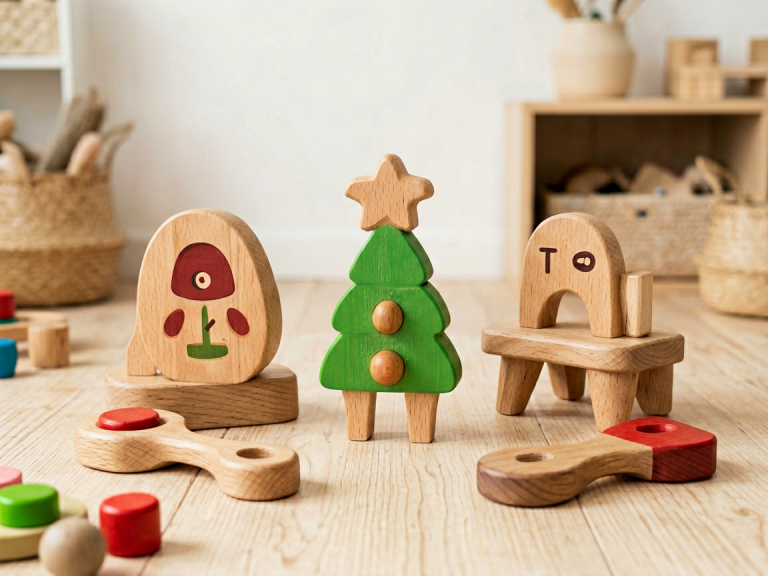
- Choose open-ended toys. Blocks, art supplies, play dough, simple dolls, and dress-up clothes encourage creativity and can be used in many ways over many years. Avoid toys that have only one function, especially those that require batteries and produce noise—they often do the playing for the child.
- Prioritize experiences over objects. Instead of buying another toy, consider a trip to the park, a visit to the library, a nature walk, or a simple cooking activity. Memory-making is far more valuable than object-accumulation.
- Ask before you buy. Before purchasing a new toy, ask yourself: Does my child need this? Will it promote active, creative play? Will it last? Can we borrow or buy it used? Often, the answer is no.
- Set gift expectations with family and friends. Relatives love to shower young children with presents. Politely suggest contributions to a college fund, a museum membership, or a “wish list” of a few well-chosen items. Many will appreciate the guidance.
- Teach the child about giving. Encourage your three-year-old to donate toys they no longer play with to other children. This simple act builds empathy and helps the child understand that possessions are not permanent sources of happiness.
Conclusion
Buying too many toys for a three-year-old is not an act of love—it is often a well-intentioned mistake. The evidence is clear: excessive toys undermine attention, creativity, social skills, and gratitude. They clutter homes, budgets, and the planet. Yet the solution is not to eliminate toys entirely, but to choose them with care. A three-year-old needs a few excellent toys that inspire imagination, a safe and orderly environment to explore, and most importantly, the loving attention of caregivers. In the end, the best gift we can give our children is not the next shiny box from the store, but the gift of our time, our presence, and our trust in their own ability to create wonder from simplicity. As the minimalist adage reminds us: “The more you have, the less you appreciate. The less you have, the more you use.” For a three-year-old—and for all of us—that wisdom rings profoundly true.