The Toy Avalanche: Why Buying Too Many Toys for Your 2-Year-Old May Do More Harm Than Good
In the colorful aisles of toy stores, where blinking lights and cheerful jingles compete for attention, it’s easy for well-meaning parents to lose perspective. The sight of a two-year-old’s face lighting up over a new stuffed animal or a fire truck can be irresistible. Yet, amid the growing pile of plastic dinosaurs, building blocks, and musical instruments, a troubling question emerges: are we overdoing it? While the instinct to provide abundance is rooted in love, an excessive number of toys can actually hinder a toddler’s cognitive, emotional, and social development. This article explores the hidden costs of toy overabundance and offers practical guidance for parents navigating the delicate balance between generosity and mindful simplicity.
The Illusion of More: Why Quantity Doesn’t Equal Quality
The first trap most parents fall into is the belief that more toys mean more learning opportunities. A two-year-old’s brain is indeed a sponge—it soaks up sensory input, cause-and-effect relationships, and language at an astonishing rate. But the human brain, especially a toddler’s, has limited capacity for sustained attention. When a child is surrounded by dozens of toys, the environment becomes a visual and tactile cacophony. Instead of diving deeply into one activity—building a tower with blocks, for instance—the child flits from one object to another, never fully engaging. This “shallow play” robs them of the chance to practice focus, problem-solving, and creative immersion.
Research in developmental psychology supports this. A classic study published in *Infant Behavior and Development* found that toddlers who played in rooms with fewer toys (four versus sixteen) engaged in longer, more sophisticated play sessions. They invented stories, tested ideas, and showed more persistence when faced with challenges. Quantity, in this case, actively diluted the quality of play. So when we buy that 25th puzzle or the 10th stuffed elephant, we may be inadvertently shortchanging our child’s growth.
How Overabundance Stifles Creativity and Imagination
One of the most precious gifts of early childhood is the raw, unfiltered imagination of a two-year-old. A cardboard box becomes a spaceship; a wooden spoon becomes a magic wand. Yet this creative spark is often extinguished by the very toys designed to inspire it. When a room is cluttered with pre-designed, single-use toys—toys that talk, flash, and direct the child’s play—there is little room left for the child to invent their own scenarios.
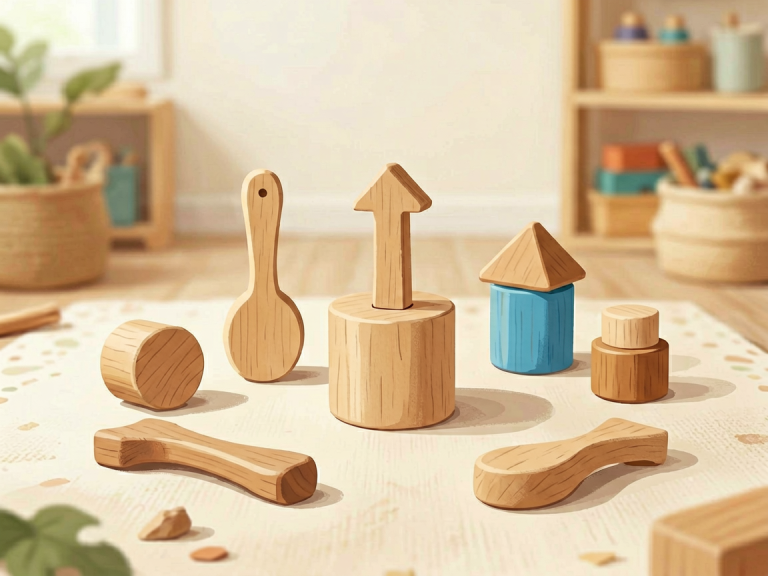
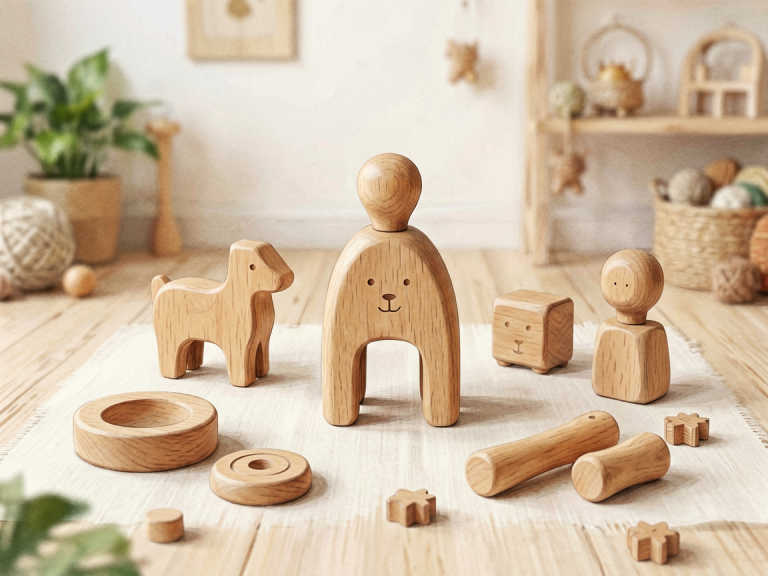
Take a simple set of wooden blocks. They can be a castle, a bridge, a cake, or a road. Contrast that with an electronic toy that only beeps when you press a specific button. The electronic toy dictates the play; the child merely responds. With too many such directive toys, a two-year-old loses the opportunity to exercise executive functions—planning, decision-making, and flexible thinking. In a toy-rich environment, the adult has already determined the “right” way to play. True creativity thrives in constraints, not in excess. By choosing fewer, open-ended toys, parents allow their children to become the architects of their own amusement.
The Science of Attention and Overstimulation
The toddler brain is still developing its prefrontal cortex, the region responsible for impulse control and selective attention. Between ages one and three, children are especially vulnerable to overstimulation. A room overflowing with toys is a constant source of competing stimuli. Every colorful object, every dangling string, every blinking light vies for the child’s attention, making it nearly impossible to calm down and focus.
This overstimulation can lead to behavioral issues. Many parents report that their two-year-old becomes irritable, whiny, or aggressive after long play sessions in a cluttered environment. This is not a coincidence. When the brain is overloaded, it triggers a stress response. The child cannot filter out irrelevant input, so they become overwhelmed. A simple solution? Rotate toys. Keep only five to seven toys accessible at a time and store the rest in a closet. Every two weeks, swap them. This keeps novelty alive without overwhelming the senses. The result is a calmer, more engaged toddler who learns to appreciate what they have.
The Emotional Consequences: Frustration, Entitlement, and Diminished Gratitude
Perhaps less visible but equally significant are the emotional downsides of too many toys. A two-year-old who receives a new toy every time they visit a store or every time a relative stops by quickly learns that material goods are limitless and easily replaced. This can breed a sense of entitlement that, research suggests, persists into later childhood. Studies on gratitude in young children reveal that gratitude is not innate—it must be cultivated through scarcity and appreciation. When toys are abundant, the child rarely forms a deep bond with any single item. They discard, demand, and move on.
Moreover, the sheer act of decision-making becomes a burden. When faced with an overwhelming array of choices, a two-year-old may experience what psychologists call “choice overload.” Instead of feeling joyful, they feel paralyzed or frustrated. They cannot decide which toy to play with, so they whine or have a meltdown. This is not a sign of a spoiled child; it is a natural response to an environment that exceeds their cognitive processing capacity. By limiting choices, parents reduce anxiety and help their child experience genuine satisfaction in play.
Practical Tips for Mindful Toy Buying
So, how can parents resist the cultural pressure to buy more? The solution is not to deprive children but to be intentional. Here are five concrete strategies:
- Follow the “One In, One Out” Rule. When a new toy enters the house, an old one must leave. This teaches a child—and the parent—that space and attention are finite.
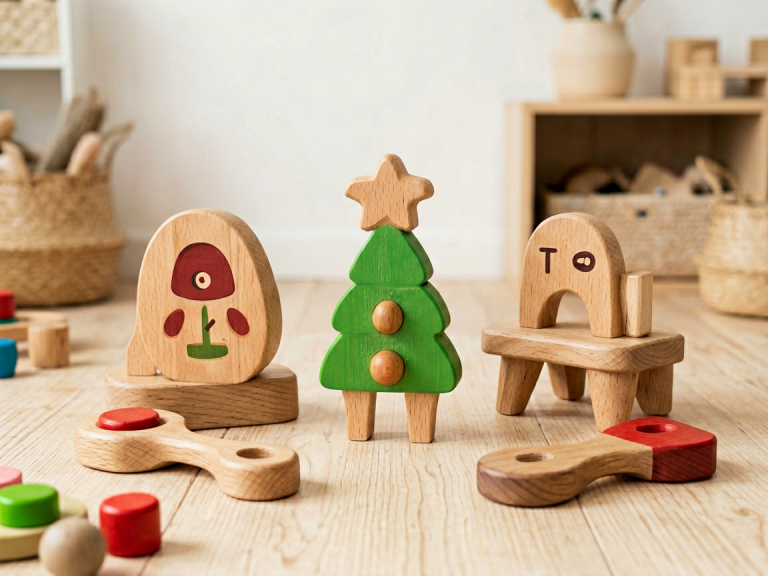
- Choose Open-Ended Toys. Prioritize items that can be used in multiple ways: building blocks, play dough, simple dolls, art supplies, stacking cups, and dress-up clothes. Avoid toys with a single function or those that rely on batteries.
- Create a Toy Rotation System. Divide toys into three or four bins. Keep only one bin accessible at a time. Rotate every one to two weeks. This preserves novelty and keeps the playroom tidy.
- Focus on Experiences Over Objects. At age two, a child remembers a trip to the park, a picnic, or a bubble-blowing session more vividly than yet another plastic car. Spend money on museum memberships, music classes, or simple outdoor adventures.
- Involve Your Child in Decluttering. Even a two-year-old can help choose which toys to donate. Frame it as giving toys to other children who will love them. This plants early seeds of empathy and generosity.
Conclusion: Less Is Truly More
The urge to buy toys for a two-year-old is understandable—it is a tangible expression of love, a way to celebrate milestones, and a source of immediate delight. But as this article has shown, the consequences of excess are real and measurable. Too many toys impair attention, crush creativity, overstimulate the developing brain, and chip away at gratitude. The antidote is not austerity but mindfulness. By curating a small, high-quality set of toys and rotating them carefully, parents can offer their toddlers the greatest gift of all: the freedom to explore deeply, to imagine boundlessly, and to find joy in simply being.
In a world that constantly urges us to acquire more, the bravest and most loving choice for a two-year-old is often to buy less. Let the child lead the play; let the blocks be a palace or a prison or a pirate ship. The fewer the props, the richer the story. And in that story, a two-year-old’s mind grows not just bigger, but wiser.