The Paradox of Plenty: Why We Buy Too Many Toys and How to Reclaim Meaningful Play
In the quiet moments after a birthday party or holiday gift exchange, many parents find themselves surrounded by a mountain of plastic, batteries, and packaging. The floor is littered with toys that were opened with shrieks of joy just hours ago, yet now lie forgotten among the debris. This scene is not an exception but a recurring reality for millions of families worldwide. The phenomenon of buying too many toys when buying toys has become so normalized that we rarely stop to question it. We walk into a store intending to purchase one thoughtful gift, and we walk out with a cart overflowing with items that promise happiness but often deliver clutter. This article explores the psychological, financial, and developmental dimensions of toy overconsumption, and offers practical strategies for breaking the cycle.
The Allure of the Toy Aisle: Psychological and Commercial Forces Driving Overconsumption
The journey into toy overbuying begins long before we reach the cash register. It starts with the masterful engineering of desire by the toy industry, which spends billions annually on advertising, product placement, and packaging design. Children are targeted through television commercials, YouTube unboxing videos, and in-store displays that create a sense of urgency and exclusivity. The “limited edition” label, the “collect them all” slogan, and the bright flashing lights all exploit the immature impulse control of young minds. A child’s plea for a toy is not simply a request; it is a demand backed by intense emotional conditioning. Parents, exhausted by negotiations and eager to avoid a public meltdown, often capitulate. The purchase becomes a peace offering rather than a thoughtful decision.
Beyond the child’s influence, parents themselves are susceptible to what psychologists call “retail therapy” or “compensatory consumption.” The act of buying a toy can trigger a dopamine release, creating a fleeting sense of accomplishment or joy that masks deeper anxieties about being a good parent. We buy toys to make up for lost time, to signal our love, or to fill an emotional void. The toy becomes a proxy for attention and affection, a tangible representation of care that requires no sustained effort. Furthermore, the rise of subscription boxes and flash sales has gamified purchasing, turning the acquisition of toys into a habit rather than a deliberate choice. We buy more because it is easy, because everyone else is doing it, and because the next shiny object promises to finally make our child happy.
Social comparison also plays a powerful role. When we see other parents posting photos of elaborate playrooms or new educational gadgets on social media, we feel an implicit pressure to keep up. The fear that our child might miss out on the latest developmental tool or trending character fosters a competitive mindset. Suddenly, the modest pile of toys at home seems inadequate, and another trip to the store feels justified. This cycle of comparison and acquisition is reinforced by a culture that equates quantity with quality, more with better. But the reality is far more complex.
The Hidden Costs: Financial Strain, Physical Clutter, and Environmental Impact
The most obvious consequence of buying too many toys is financial. The average American family spends hundreds of dollars per child each year on toys, a figure that balloons during holidays. Yet much of this expenditure is wasted. Studies show that children play with only a fraction of their toy collection; the rest quickly become obsolete, broken, or ignored. The money spent on these unused items could have been allocated to experiences such as museum trips, outdoor adventures, or savings for future education. Every overpriced action figure or plastic playset represents a trade-off — a lost opportunity to invest in something more lasting.
Space is another casualty. Modern homes, even spacious ones, are not designed to accommodate the tsunami of toys that flows through them. Closets overflow, living rooms become obstacle courses, and parents spend hours each week tidying up. This clutter is not just a nuisance; it stresses the entire household. Studies in environmental psychology have linked physical clutter to elevated cortisol levels, reduced focus, and increased irritability. Children, paradoxically, are also affected: a messy environment can overwhelm their ability to concentrate and engage deeply with any single item. When every surface is covered with toys, nothing feels special.
The environmental toll is equally disturbing. The vast majority of toys are made from plastic, often of low quality, and are designed for short-term use. They are rarely recyclable. Once discarded, they end up in landfills or oceans, where they may take centuries to decompose. The production process consumes fossil fuels, water, and energy, while the packaging — often excessive and non-biodegradable — adds to the waste stream. The carbon footprint of a single plastic doll or remote-controlled car is substantial. When multiplied by billions of toys produced each year, the ecological impact is staggering. Buying too many toys is not just a personal indulgence; it is a contributor to a global environmental crisis.
The Impact on Children’s Development and Happiness
Perhaps the most overlooked consequence of toy overconsumption is its effect on the very children we intend to delight. Developmental psychologists have long understood that play is not merely entertainment but a vital mechanism for learning, creativity, and emotional regulation. However, the quality of play depends critically on the environment. When a child is surrounded by an abundance of toys, their attention becomes fragmented. They flit from one object to another, never settling long enough to engage in deep imaginative play. The famous “St. Thomas Aquinas” study on the effects of toy scarcity demonstrated that children given fewer toys played more creatively, for longer periods, and with greater concentration than those given many toys. Less truly was more.
Moreover, an excess of toys can undermine a child’s ability to appreciate what they have. When new toys arrive regularly, the novelty of each item diminishes rapidly. Children learn that objects are disposable, and that happiness always lies in the next purchase. This mindset sets the stage for materialism in adulthood, a trait linked to lower life satisfaction, increased anxiety, and strained relationships. The joy of receiving a gift becomes hollow when it is just one of many. In contrast, children who have fewer toys develop stronger attachments to the ones they own. They invent stories, repair broken parts, and find multiple uses for a single object. This fosters resilience, resourcefulness, and gratitude.
There is also a social dimension. When toys dominate the household, they can replace human interaction. Parents may use toys as babysitters, believing that a busy child is a happy child. But the most valuable play often involves a parent or caregiver — reading a book together, building a fort, or simply chatting. The constant presence of electronic toys and noise-emitting gadgets can drown out these opportunities for connection. In the end, a child does not remember the number of toys they received; they remember the moments of shared laughter, the games invented together, and the feeling of being truly seen.
Practical Strategies for Mindful Toy Purchasing
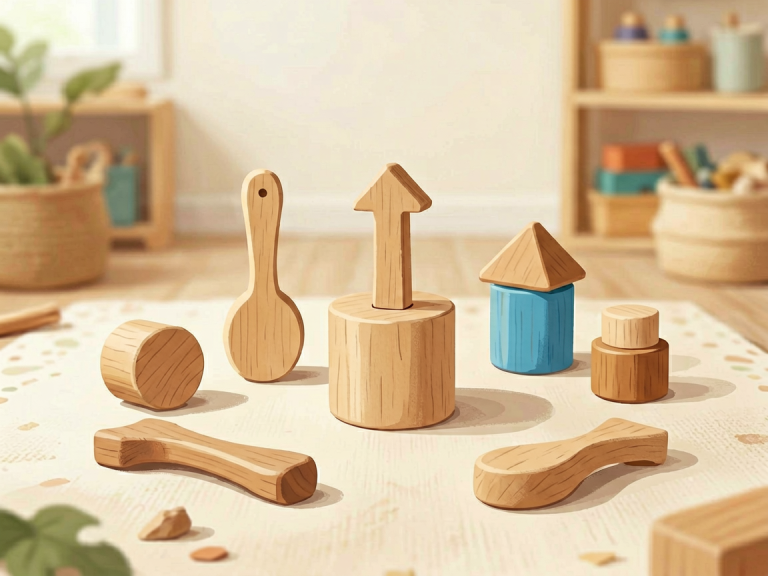
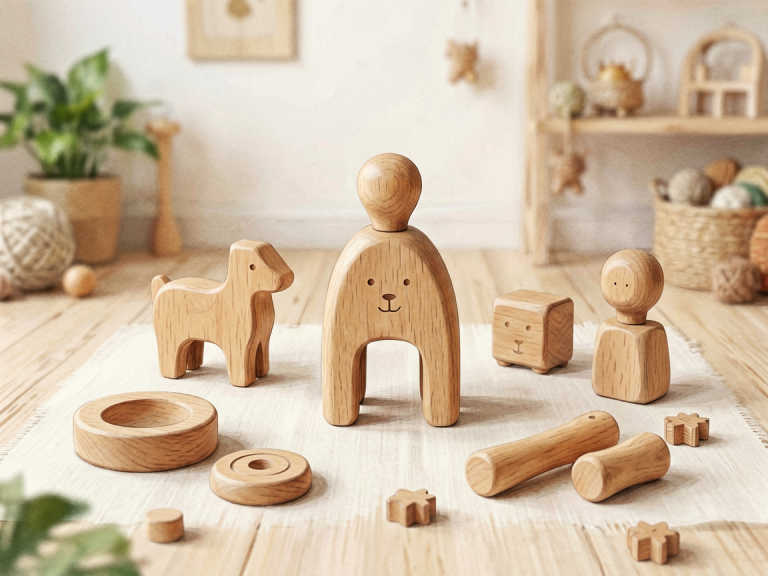
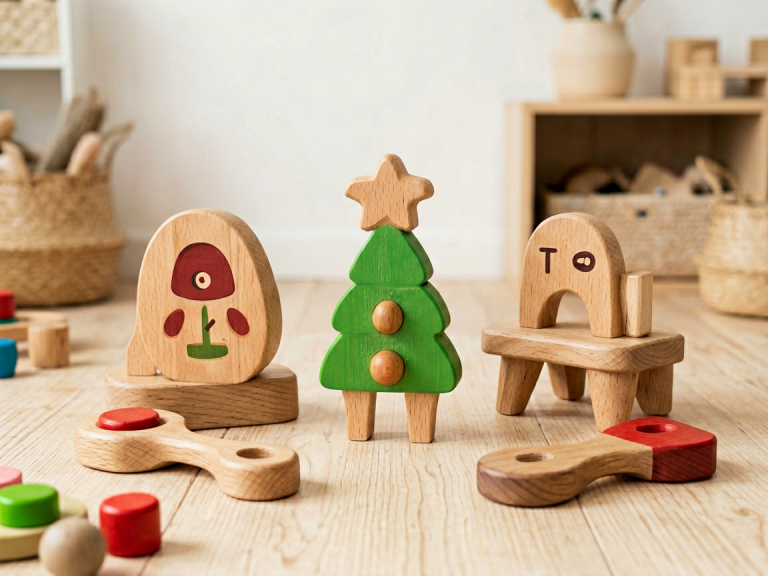
Breaking the cycle of toy overbuying requires a conscious shift in mindset and habit. The first step is to redefine what a “good” toy purchase looks like. Instead of asking “Will my child like this?” — a question that almost always receives a positive answer — ask “Will this toy encourage open-ended, creative play?” and “Will it still be interesting next week?” Toys that are versatile, durable, and stimulate the imagination are far more valuable than those that are trendy or flashy. Building blocks, art supplies, puzzles, and dress-up clothes are classic examples of items that grow with a child and support multiple forms of play.
A practical rule of thumb is the “one in, one out” policy. For every new toy that enters the house, an old one must leave. This can be implemented as a game: the child chooses a toy to donate to a local charity or pass to a younger sibling. Not only does this reduce clutter, but it also teaches the value of generosity and letting go. Another powerful approach is to delay purchases. Instead of buying a toy the moment a child asks for it, write it down and wait two weeks. Most requests fade within days, revealing them as fleeting whims rather than genuine desires. If the interest persists, the purchase becomes more meaningful.
Parents can also shift from buying toys to buying experiences. A membership to a children’s museum, a subscription to a nature camp, or even a simple baking session at home often provides more lasting joy than a new plastic gadget. Experiences create memories, foster skills, and strengthen family bonds. They also remove the physical clutter that plagues toy collections. Additionally, consider borrowing toys from libraries or participating in toy swap events. Many communities now offer toy-lending programs that allow children to enjoy variety without accumulation.
Finally, involve children in the process of decluttering and decision-making. Explain why you are choosing to buy fewer toys, and listen to their perspective. Children are remarkably capable of understanding when the conversation is framed with respect and empathy. They can learn to appreciate quality over quantity, and to value the act of play itself rather than the possession of objects. When the entire family commits to a minimalist approach, the home becomes calmer, the budget lighter, and the play richer.
Conclusion: Less Is More
The impulse to buy too many toys is deeply embedded in modern culture, but it is not inevitable. By understanding the forces that drive overconsumption — from clever marketing to emotional need — we can begin to resist them. The costs of excess are clear: financial waste, cluttered homes, environmental damage, and hindered child development. The benefits of restraint are equally clear: deeper play, stronger family connections, gratitude, and a lighter footprint on the planet.
The next time you find yourself in a toy store, pause. Look at the child beside you, not at the shelves. Ask yourself what they truly need — and it is probably not one more plastic thing. It is your time, your attention, your presence. Those are the toys that never wear out, never break, and never become clutter. In a world that shouts “buy more,” the most radical act of love might be to buy less. Let that be the gift you give, not just this holiday, but every day.