Art Toys vs. Craft Kits: Which Sparks More Creativity and Learning?
Introduction
In an age where screens dominate children's leisure time, parents and educators are increasingly turning to tangible, hands-on activities to foster creativity, motor skills, and cognitive development. Two popular categories have emerged as frontrunners: art toys and craft kits. At first glance, they seem similar—both involve making something with one’s hands, both promise hours of engagement, and both are marketed as tools for self-expression. Yet a closer look reveals fundamental differences in philosophy, process, and outcome. Art toys, such as magnetic building sets, clay modeling kits with open-ended shapes, or modular construction blocks, emphasize free-form exploration and imagination. Craft kits, on the other hand, typically provide pre-cut materials, step-by-step instructions, and a predetermined finished product, like a beaded bracelet, a painted wooden birdhouse, or a felt animal. The question “which is better?” is not merely a matter of personal preference; it touches on deeper issues about how children learn, how creativity is nurtured, and how we define “play.” This article will dissect the merits and limitations of each, examining their impact on problem-solving, emotional development, and long-term creative habits. By the end, it should become clear that the answer is not binary—but rather depends on the age of the child, the desired learning outcome, and the context of use.
Understanding Art Toys: The Open-Ended Playground
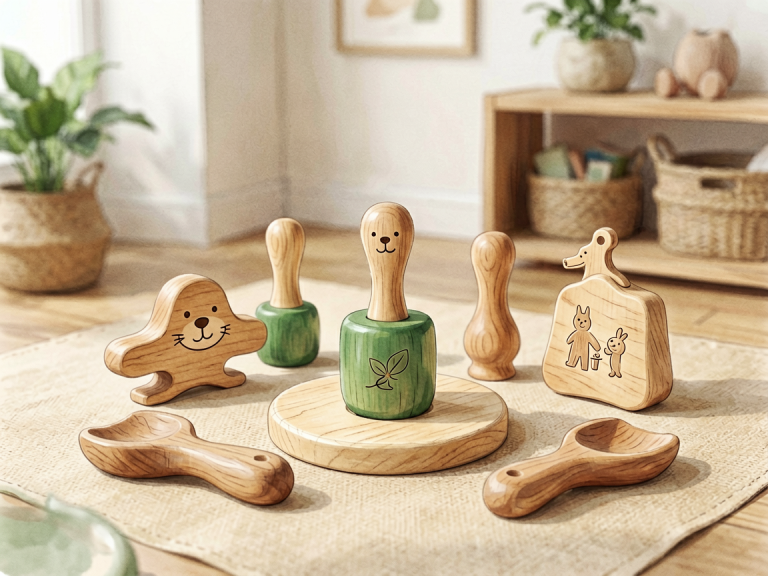
Art toys are defined by their lack of a fixed outcome. They are raw materials or simple components that invite the user to transform them into anything imaginable. Classic examples include Lego bricks (when used without a specific model), Play-Doh, wooden blocks, kinetic sand, marble runs, and magnetic tiles. The core principle is that the toy itself imposes minimal constraints; the child is the architect, the sculptor, the engineer.
Advantages of Art Toys
First, art toys excel in fostering divergent thinking—the ability to generate multiple solutions to a single problem. A child with a set of magnetic tiles can build a castle, a rocket, a maze, a geometric sculpture, or an abstract pattern. Every session is unique, encouraging the brain to forge new neural pathways. Research in developmental psychology suggests that open-ended play correlates strongly with higher levels of creativity in later life. Second, art toys promote intrinsic motivation. Because there is no “right” way to play, children are free to pursue their own interests, which builds confidence and a sense of ownership over the creative process. Mistakes become discoveries rather than failures. Third, these toys offer longevity. A set of high-quality wooden blocks can engage a toddler, a preschooler, and even a ten-year-old who decides to build a cantilevered structure. The toy grows with the child.
Limitations of Art Toys
However, art toys are not without drawbacks. Some children, especially those who are younger or who crave structure, may feel overwhelmed by the blank slate. Without guidance, they may become frustrated or lose interest quickly. Additionally, art toys often require adult facilitation to reach their full potential. A pile of clay is just a mess until an adult models how to roll, pinch, and sculpt. Parents who lack the time or energy to engage deeply may see their children abandon the toy in favor of a more structured activity. Another concern is messiness. Play-Doh crumbles into carpets, paint stains clothes, and kinetic sand finds its way into every crevice of the living room. For some households, this is a significant barrier.
Examining Craft Kits: The Guided Creative Journey
Craft kits, in contrast, are project-based. They come with all necessary materials (pre-cut paper shapes, glue, strings, beads, etc.) and a clear set of instructions to produce a specific item, such as a dream catcher, a candle, a photo frame, or a model dinosaur. Popular brands include Klutz, Creativity for Kids, and KiwiCo. The appeal lies in the achievable end product—a child can see a tangible result of their effort within a single session.
Advantages of Craft Kits
The most obvious benefit of craft kits is their structure. For children who struggle with decision fatigue or who are perfectionists, having a clear sequence of steps reduces anxiety and builds a sense of accomplishment. Completing a craft kit teaches procedural thinking—following instructions, sequencing tasks, and persisting through challenges. This is especially valuable for younger children (ages 3-7) who are still developing executive function. Craft kits also provide immediate gratification. A child who finishes a beaded necklace can wear it or gift it, reinforcing the connection between effort and reward. This can be a powerful motivator for reluctant creators. Additionally, many craft kits incorporate cross-curricular learning. For example, a kit that involves weaving a scarf introduces basic principles of geometry and pattern recognition; a pottery kit teaches about texture and air-drying processes. Some kits even integrate STEM concepts, like building a simple circuit to light up a paper house.
Limitations of Craft Kits
The downside is that craft kits can stifle originality. When every child in a class produces an identical glittery unicorn, the activity becomes more about manual dexterity than about creative expression. The predetermined outcome can lead to a “paint-by-numbers” mentality, where children learn to seek external validation (“Did I do it right?”) rather than internal satisfaction. Furthermore, once the kit is completed, it is often disposable. The materials are used up, the instructions have no further purpose, and the toy loses its play value. This creates a cycle of consumption—requiring new kits for each new activity—which can be expensive and environmentally unsustainable. Finally, craft kits may inadvertently lower tolerance for ambiguity. Children who are accustomed to step-by-step guides may feel helpless when faced with an open-ended problem later in school or life.
A Side-by-Side Comparison: Creativity, Learning, and Practicality
To answer “which is better,” we must compare them across several key dimensions:
- Creative Freedom: Art toys win hands down. They encourage infinite variations, while craft kits constrain possibilities to one or two outcomes.
- Skill Development: Both teach fine motor skills, but craft kits emphasize following instructions, while art toys emphasize problem-solving and innovation.
- Frustration Tolerance: Craft kits are more forgiving for beginners; art toys may require a higher threshold for frustration if a structure collapses or clay dries out.
- Parental Involvement: Art toys often demand more active adult support to spark ideas. Craft kits can be done independently by older children (7+), but younger ones still need help with gluing or assembling.
- Cost-Effectiveness: A single set of wooden blocks can be used for years. A craft kit is a one-time expense. Over time, art toys offer better value.
- Mess Factor: Craft kits are typically contained (everything in the box), whereas art toys like paint, clay, and glitter are notoriously messy.
Who Benefits from Each? Age and Personality Considerations
There is no universal winner; the choice depends heavily on the child’s developmental stage and temperament.
For toddlers and preschoolers (ages 2–4): Art toys are superior. At this age, sensory exploration, cause-and-effect, and gross motor skills are paramount. A toddler banging two blocks together or squishing dough is learning physics and texture. Craft kits with tiny beads or sharp scissors pose safety risks and are too complex. A simple set of chunky wooden blocks or non-toxic modeling clay is ideal.
For early elementary children (ages 5–8): A mix is best. Craft kits can build confidence and introduce specific techniques (like weaving, sewing, or paper crafts). But they should be balanced with open-ended art supplies like watercolor paints, colored tape, and recycled materials. At this stage, children are capable of following instructions but also need opportunities to deviate from them—for example, turning the craft kit’s owl into a robot by adding buttons.
For tweens and teens (ages 9+): Art toys that involve complex systems—like architectural models, robotics kits, or advanced clay sculpting—may be more engaging. However, hobby-level craft kits (e.g., embroidery, candle-making, resin art) can also provide a relaxing, meditative outlet. The key is to encourage personalization: the kit should be a starting point, not a straitjacket.
Pedagogical Perspectives: What the Research Says
Educational theorists have long debated structure versus freedom. In the 1960s, the “open classroom” movement championed unstructured play, but later research showed that some children thrive with explicit instruction. The current consensus in early childhood education is that scaffolded play—where an adult provides just enough guidance to keep the child challenged but not frustrated—is most effective. This suggests that neither art toys nor craft kits are inherently better; the adult’s role in mediating the experience matters enormously. A parent who uses a craft kit to teach the concept of symmetry, then invites the child to design their own symmetric pattern, transforms a closed activity into an open one. Similarly, a parent who introduces a set of magnetic tiles by first building a simple tower, then asking “what would happen if we made the base wider?” is turning an art toy into a mini physics lesson.
Conclusion: Beyond “Better” — Finding the Right Balance
So, which is better, art toys or craft kits? The honest answer is that they serve different purposes and complement each other. Art toys are better for fostering divergent thinking, resilience, and long-term creative habits. Craft kits are better for teaching procedural skills, providing a sense of completion, and introducing children to specific artistic crafts. In an ideal play environment, children would have access to both—perhaps a craft kit for a rainy Saturday afternoon when they need a clear goal, and a box of art toys for endless exploration on other days. Parents and educators should not feel pressured to choose one camp. Instead, they should observe the child’s reactions: Does the child light up when following steps, or do they prefer to invent their own path? Does the craft kit lead to a proud display on the refrigerator, or does it end up in the closet after one use? By paying attention to these cues, we can tailor the creative diet to each child’s needs. Ultimately, the goal is not to decide which is better, but to ensure that every child has ample opportunities to create, experiment, and find joy in the process—whether through a box of wooden blocks or a carefully curated craft kit.