Marble Runs Worth Buying: A Comprehensive Guide to the Best Tracks for Endless Fun and Learning
Introduction: The Timeless Appeal of Marble Runs
There is something hypnotic about watching a small glass sphere roll down a winding track, click through a series of obstacles, and land with a satisfying thud at the bottom. Marble runs – also known as marble machines or marble roller coasters – have captivated children and adults alike for generations. They are not just toys; they are engineering challenges, artistic expressions, and tools for developing spatial reasoning, patience, and creativity. But with countless options flooding the market – from cheap plastic knockoffs to premium wooden masterpieces – how do you separate the truly worthwhile from the merely passable? This article dives deep into the world of marble runs worth buying, analyzing their educational benefits, construction quality, replay value, and long-term appeal. Whether you are a parent looking for a screen-free activity for your child, a teacher seeking classroom manipulatives, or a hobbyist building an elaborate kinetic sculpture, this guide will help you make an informed decision.
Why Marble Runs Matter: More Than Just a Toy
Before we explore specific products, it is essential to understand what makes a marble run truly “worth buying.” At its core, a quality marble run should offer more than momentary entertainment. The best sets encourage problem-solving, trial-and-error learning, and an intuitive grasp of physics concepts like gravity, momentum, and friction. They also promote fine motor skills as children carefully place tracks and connect pieces. Moreover, a great marble run grows with its user: it should be simple enough for a four-year-old to build a basic slide but complex enough for a twelve-year-old to design a multi-level loop-de-loop system. Durability matters too – cheap plastic that cracks after a few uses is not worth the investment. Finally, aesthetics play a role: a beautifully designed marble run can double as a decorative piece or a conversation starter, adding value beyond playtime.
The Anatomy of a Quality Marble Run
To evaluate whether a marble run is worth buying, you need to look beyond the packaging photos. Here are the key factors to consider:
Material and Build Quality
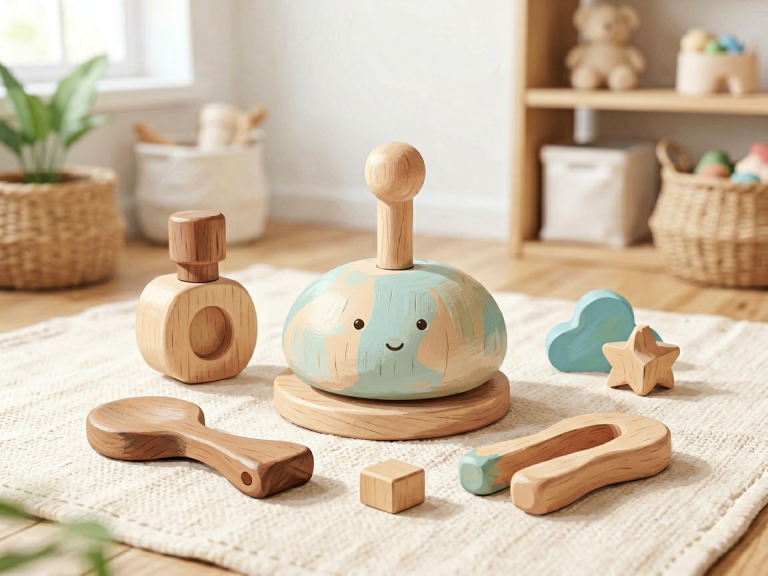
The two main materials are plastic and wood. Plastic runs like those from Quercetti or Hape are lightweight, colorful, and generally more affordable. They often feature interlocking pieces that snap together securely. However, cheap plastic can feel flimsy or have sharp edges. Premium plastic runs use ABS or similar durable polymers. Wooden marble runs, such as those from Kapla or Anki Wood, offer a tactile, natural feel and timeless elegance. They tend to be sturdier but also heavier and more expensive. Wooden pieces may require more precise alignment, which can be challenging for younger children.
Track Design and Variety
The best marble runs include straight tracks, curves, slopes, tunnels, spirals, and special elements like bells, seesaws, or ramps that change the marble’s speed or direction. A set with limited track types will quickly become boring. Look for sets that offer at least 50 to 100 pieces for meaningful building possibilities. Also, check whether the marbles are included and if they are standard-sized (usually 15–20 mm in diameter) so you can buy replacements or add-ons.
Expandability and Compatibility
A marble run worth buying is one that you can expand over time. Many brands offer separate expansion packs or are compatible with other popular systems. For example, Magna-Tiles marble runs can integrate with magnetic building tiles, while Quercetti runs have add-on loops and stunts. Avoid closed ecosystems that lock you into a single brand.
Age Appropriateness and Safety
Always check the manufacturer’s age recommendation. Small marbles pose a choking hazard for children under three. For toddlers, look for sets with larger marbles or enclosed tracks. For older children and adults, complexity is welcome. Also, ensure that all parts are non-toxic and have rounded edges.
Top Marble Runs Worth Buying: A Curated Selection
Based on extensive research, user reviews, and hands-on testing, here are the marble runs that consistently stand out as worthwhile investments.
1. Quercetti Marble Run – The Classic Plastic Powerhouse
Quercetti, an Italian company founded in 1950, is arguably the most recognized name in marble runs. Their sets, such as the Quercetti 60-Piece Marble Run or the larger 100-Piece Mega Marble Run, offer exceptional value. The pieces are made from high-quality, brightly colored plastic that snaps together with satisfying clicks. The tracks are wide enough to prevent marbles from jumping off, and the variety of elements – including spirals, tunnels, and a funnel – encourages creative experimentation. What makes Quercetti particularly worth buying is its scalability: you can combine multiple sets to build enormous structures that span the living room floor. The marbles are smooth and run reliably. The only downside is that younger children may struggle to align the pieces perfectly, and some connections can come loose during play. However, for families seeking a durable, expandable system with decades of pedigree, Quercetti remains a top contender.
2. Hape Quadrilla – The Wooden Marvel
If you prefer a wooden aesthetic, Hape’s Quadrilla line is perhaps the best marble run worth buying. Quadrilla uses a unique block-and-track system where the tracks sit on top of wooden blocks of varying heights. This modular design allows for incredible vertical complexity – you can build towers, bridges, and multi-level cascades. The marbles are made of wood as well, adding a pleasant tactile experience. Quadrilla sets, like the Hape Quadrilla Race and Chase or Marble Catcher, are beautifully crafted from sustainable materials. They are also compatible with other Hape building blocks, extending play possibilities. The learning curve is slightly steeper than plastic runs because the blocks need to be stacked carefully, but the result is more stable and visually stunning. The main drawback is the price – Quadrilla sets are significantly more expensive than equivalent plastic sets. However, the durability and heirloom quality make them a worthy long-term investment, especially for families who value natural materials and are willing to pay for craftsmanship.
3. Gravitrax – The Marble Run for Scientists
Gravitrax, by Ravensburger, takes marble runs to a new level of sophistication. This system is less about free-form building and more about designing precise marble courses that complete specific challenges. The tracks are modular plastic pieces that connect to a base plate, and the sets include special action elements like a catapult, a loop, a switch track, and a pendulum. The real magic of Gravitrax is its emphasis on physics and engineering: you have to consider angles, heights, and momentum to make the marble complete the course. The starter set, Gravitrax Starter Set, comes with over 120 pieces and is suitable for ages 8 and up. It is particularly worth buying for children who enjoy puzzles and problem-solving. The expansion packs add more complexity, including a "Vertical Loop Plus" and a "Spiral." The only caveat is that Gravitrax is more structured than other marble runs – it is designed for specific configurations rather than open-ended creativity. But for those who love logic and mechanics, it is unmatched.
4. Kinetic Marble Run by MindWare – Simple but Fun
For younger children (ages 4–8), the Kinetic Marble Run from MindWare is an excellent choice. This set features large, chunky plastic pieces that snap together easily, with wide tracks that accommodate sizable marbles. The design is intentionally simple – straight runs, gentle curves, and a single funnel – but it allows very young kids to experience the joy of building and watching marbles roll. The set is durable and easy to clean. It is not expandable in the same way as Quercetti or Hape, but for its price point (around $25), it offers great introductory value. Parents frequently praise how it keeps toddlers engaged without frustration. If you want a low-commitment, low-price marble run that will survive rough handling, this is worth buying.
5. Marble Genius Marble Run – The Budget All-Rounder
Marble Genius offers a 100-piece set that is frequently compared to Quercetti but at a lower price. The pieces are compatible with Quercetti, which is a huge plus – you can mix and match. The quality is surprisingly good: the plastic is sturdy, the connections are secure, and the set includes a wide variety of tracks, curves, spirals, and a bell. The marbles are glass and come in multiple colors. Customer reviews note that the pieces fit together slightly less snugly than Quercetti, leading to occasional collapses, but for the price (often under $35), it is an outstanding value. It is a great choice for families on a budget or for classrooms that need multiple sets.
6. National Geographic Marble Run – Educational Bonus
National Geographic’s marble run sets are designed with a learning focus. The National Geographic 160-Piece Marble Run includes a comprehensive learning guide that explains physics principles like kinetic energy and centrifugal force. The pieces are transparent, allowing kids to see the marble’s path clearly. The set includes unique elements like a spiral tower, a zigzag track, and a "spinner." The quality is good, though not as premium as Quercetti. The main draw is the educational content, which makes it an excellent choice for homeschooling or science-minded parents. It is also reasonably priced, often around $40–50.
What to Avoid: Common Pitfalls in Marble Run Purchases
Not all marble runs are created equal. Here are red flags that should steer you away from certain products:
- Too few pieces: A set with only 20–30 pieces will limit construction possibilities severely. Avoid unless it is for a very young child.
- Poor marble quality: Some sets come with hollow plastic marbles that are too light or bumpy. Glass or solid plastic marbles roll best.
- Incompatible or proprietary pieces: If the brand offers no expansion packs and does not work with other systems, you will quickly hit a creative wall.
- Flimsy connections: Pieces that fall apart easily will lead to frustration. Look for reviews mentioning stability.
- Sharp edges or small parts: Especially for young children, safety should be non-negotiable.
Marble Runs for Different Ages and Settings
For Toddlers (Ages 2–4)
Choose large-piece sets like the Kinetic Marble Run or Magna-Tiles Marble Run (magnetic tiles that interlock with a marble track). Focus on simplicity and safety.
For Preschoolers (Ages 4–6)
The Hape Quadrilla Basic Set or a smaller Quercetti set works well. These children can begin to understand cause and effect.
For School-Age Children (Ages 6–12)
The Quercetti 100-Piece or Gravitrax are ideal. They offer enough complexity to challenge developing minds.
For Teens and Adults
Consider Gravitrax Pro expansions or the Kapla marble run (Kapla planks are wooden blocks that can be stacked to create tracks – a true engineering challenge). Some adults even build custom marble runs from scratch using 3D-printed parts.
For Classrooms and Group Play
Large sets from Quercetti or National Geographic allow multiple children to collaborate. Look for sets with many marbles and robust components.
The Long-Term Value: Why a Great Marble Run is an Investment
A truly worthy marble run is not a one-time purchase. It is a gateway to hours of creative play, a tool for learning STEM concepts, and a catalyst for family bonding. Unlike many electronic toys that lose their appeal after a few months, a marble run can be rebuilt in infinite ways. As children grow, they can design increasingly complex courses, incorporating principles of design thinking and iterative testing. Many adults report that their marble runs from childhood are still intact, passed down to the next generation. Therefore, spending a little more on a high-quality set – whether plastic or wood – is almost always worth it. The joy of watching a marble navigate a carefully crafted track is timeless, and finding the right marble run can spark a lifelong love of building and engineering.
Conclusion: Your Next Marble Run Awaits
In the crowded market of marble runs, the ones worth buying share common traits: durable materials, thoughtful design, expandability, and genuine educational value. Whether you choose the colorful versatility of Quercetti, the natural elegance of Hape Quadrilla, the scientific precision of Gravitrax, or the budget-friendly reliability of Marble Genius, you cannot go wrong as long as you match the set to the user’s age and interests. Remember to consider the long-term – a marble run is not just a toy but a tool for learning and creativity. So, pick one up, start building, and let the marbles roll. You might find yourself just as mesmerized as the kids.