The Renaissance of Art Toys and Craft Kits: More Than Just Play
—
Introduction: A Quiet Revolution in Creativity
In an age dominated by digital screens, instant gratification, and algorithmic entertainment, a quiet yet powerful counter-movement has been gaining momentum. Across living rooms, studios, and classrooms, people of all ages are rediscovering the tactile joy of making something with their own hands. At the heart of this resurgence lie two often-overlooked categories: art toys and craft kits. These are not mere pastimes for idle hours; they are sophisticated tools for self-expression, learning, and even therapy. From limited-edition designer vinyl figures that command auction prices to curated DIY embroidery sets that teach patience and precision, art toys and craft kits have evolved into a multi-billion-dollar global industry that bridges art, commerce, and education. This article explores the multifaceted world of these creative products, examining their cultural significance, educational value, therapeutic benefits, and economic impact. By the end, it will become clear that art toys and craft kits are not just playthings—they are a vital response to the fragmentation of modern life, offering a tangible path back to mindfulness, community, and creativity.
—
The Rise of Art Toys as Collectible Art
To understand the phenomenon of art toys, one must first look beyond the traditional concept of a toy. Unlike mass-produced plastic action figures, art toys are often created by independent designers and street artists, produced in limited runs, and sold at premium prices. Artists like KAWS, whose “Companion” figures have sold for six figures at auction, have transformed what was once a niche hobby into a legitimate art movement. Today, art toys occupy a unique space between fine art and consumer goods. They are displayed on shelves not as playthings but as collectibles—sculptures in miniature, imbued with the same aesthetic ambition as a painting or a statue.
The appeal of art toys lies in their accessibility. A young collector may not be able to afford an original canvas by a famous artist, but they can purchase a vinyl figure for a fraction of the cost. This democratization of art allows a broader audience to engage with contemporary design and visual culture. Moreover, the act of unboxing and displaying an art toy becomes a ritual of ownership and curation. Social media platforms like Instagram have amplified this trend, with collectors sharing their “toy shelves” and customizing figures with paint, stickers, and even 3D-printed accessories. The art toy community is remarkably active, with conventions (such as DesignerCon in the US) drawing thousands of attendees who trade, sell, and admire these miniature masterpieces.
But the value of art toys extends beyond aesthetics. Many artists use them as a medium for social commentary. For example, the Japanese brand Medicom Toy’s BE@RBRICK series has featured designs addressing environmental issues, political satire, and pop culture. Each figure becomes a conversation starter, a tiny billboard for an idea. In a world where digital art is often fleeting and easily replicated, the physicality of an art toy offers a sense of permanence and authenticity. Holding a carefully crafted vinyl figure in one’s hand is an experience that no screen can replicate—it is a reminder that beauty can be both portable and profound.
—
The Educational Power of Craft Kits
While art toys appeal to the collector’s instinct, craft kits serve a different but equally important purpose: education through hands-on creation. In recent years, parents and educators have increasingly turned to craft kits as tools for developing fine motor skills, problem-solving abilities, and creative confidence. Unlike passive entertainment—such as watching videos or playing video games—craft kits require active participation. A child who assembles a wooden model of a dinosaur learns about anatomy, spatial reasoning, and patience. A teenager who follows a step-by-step kit to weave a scarf gains an understanding of textiles, pattern design, and the satisfaction of completing a long-term project.
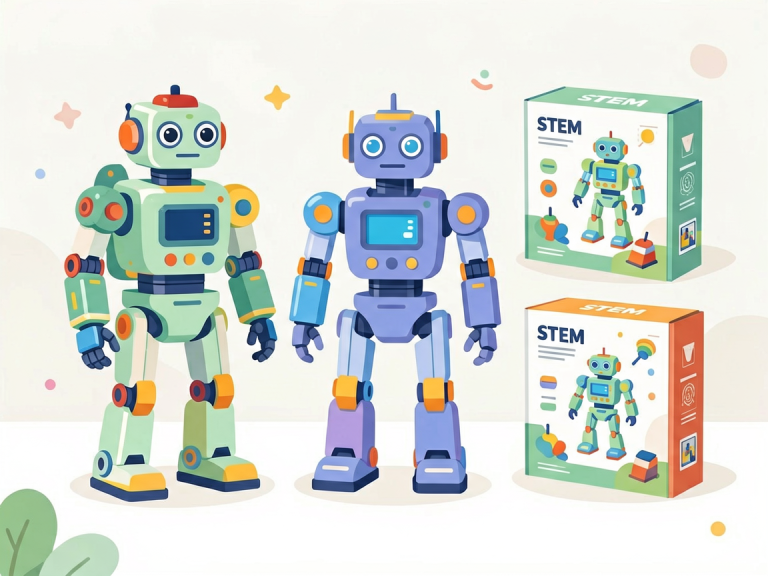
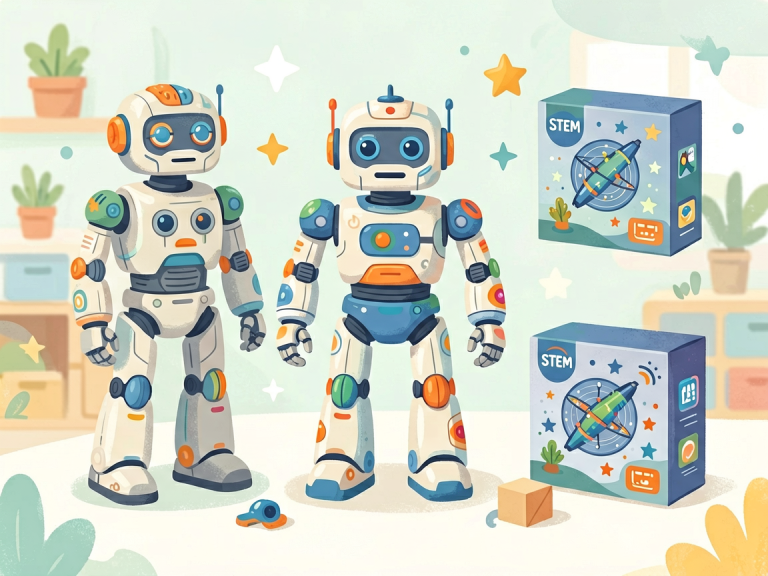
The market for craft kits has expanded dramatically, covering a vast range of interests. There are kits for making candles, soaps, jewelry, pottery, and even small electronics. Some are designed to teach STEM concepts: consider a build-your-own-robot kit that introduces basic engineering and coding. Others focus on traditional handcrafts like macramé, cross-stitch, or paper quilling, preserving skills that might otherwise be lost. What unites them all is the underlying philosophy: that learning by doing is the most effective way to understand the world.
Moreover, craft kits foster independence. A child who successfully completes a project—without parental intervention—experiences a boost in self-esteem. They learn to follow instructions, to troubleshoot when something goes wrong, and to take pride in their finished work. In an education system often criticized for prioritizing test scores over creativity, craft kits offer a refreshing alternative. They remind us that intelligence is not just about memorizing facts but about the ability to shape materials and ideas into something new.
Interestingly, craft kits are not only for children. Adult craft kits have become a booming subcategory, driven by the need for stress relief and mindful engagement. Knitting, painting by numbers, and diamond painting kits are marketed as “adult coloring books” for a new generation—activities that induce a meditative state, lowering cortisol levels and improving mood. In a society where many workers spend their days staring at screens, the tactile feedback of fabric, glue, or clay provides a much-needed sensory reset.
—
The Therapeutic Benefits of Hands-On Creation
Beyond education, the psychological benefits of engaging with art toys and craft kits are increasingly recognized by mental health professionals. Art therapy has long been used to help individuals process trauma, manage anxiety, and express emotions that are difficult to verbalize. Craft kits, in particular, offer a structured yet creative outlet that can be especially helpful for those who feel intimidated by a blank canvas. A pre-printed pattern or a set of supplies reduces the barrier to entry, allowing the user to focus on the process rather than the outcome.
Recent studies have shown that repetitive, rhythmic movements—like knitting, crocheting, or beading—can trigger the relaxation response, similar to meditation or deep breathing. The brain’s focus shifts from ruminative thoughts to the task at hand, providing a temporary escape from stress. Furthermore, the sense of accomplishment upon finishing a project releases dopamine, the neurotransmitter associated with pleasure and motivation. This cycle of effort and reward is deeply satisfying, especially in a world where many tasks are abstract and long-term.
Art toys also play a role in mental well-being, albeit in a different way. For collectors, the act of arranging and displaying their figures can be a form of environmental control—a way to create a personal sanctuary. The nostalgia associated with certain toys (for example, vinyl figures based on childhood cartoons) can evoke positive memories, offering comfort during difficult times. Additionally, the social aspect of collecting—joining online forums, attending meet-ups—provides a sense of community and belonging, which is crucial for mental health.
It is worth noting that art toys and craft kits are increasingly used in clinical settings. Occupational therapists use craft kits to help patients with fine motor impairments regain dexterity. Autism therapists use step-by-step craft activities to teach sequencing and social skills. Even in nursing homes, simple craft kits help elderly residents maintain hand-eye coordination and cognitive function while reducing feelings of loneliness. The humble craft kit, once dismissed as a rainy-day activity, has become a legitimate tool for healing.
—
The Economic and Cultural Impact
The economic footprint of art toys and craft kits is substantial and growing. According to industry reports, the global art toy market was valued at over USD 9 billion in 2023, with projections reaching USD 20 billion by 2030. Craft kits, particularly those aimed at adults, have seen a surge in demand since the COVID-19 pandemic, as people sought meaningful indoor activities. E-commerce platforms like Etsy and Amazon have turned independent designers and small-scale manufacturers into global sellers. Limited-edition art toy drops often sell out within minutes, generating frenzy and secondary markets where prices can skyrocket.
This economic activity has cultural ripple effects. Artists who once struggled to gain gallery representation now have a lucrative alternative: releasing their own toy designs. Brands collaborate with toy artists to create limited-edition figures, blurring the lines between advertising, art, and merchandise. Museums and galleries have started exhibiting art toys as serious contemporary works, legitimizing the medium. Meanwhile, craft kits have spawned a new wave of “maker” entrepreneurs. A person who learns to make soap from a kit might eventually start a small business selling their own products. The craft kit industry thus becomes a pipeline for creativity and entrepreneurship, empowering individuals to turn hobbies into livelihoods.
Culturally, the rise of art toys and craft kits reflects a broader shift toward experiential consumption. Instead of buying a mass-produced item, consumers are increasingly seeking products that offer a story, a skill, or a personal connection. Art toys carry the narrative of the artist and the scarcity of the edition; craft kits carry the promise of a personalized result. This aligns with the values of the “slow living” movement, which advocates for intentionality and mindfulness in everyday life. In a fast-paced world, the deliberate act of crafting or collecting becomes an act of resistance—a way to reclaim time and attention.
—
Conclusion: Why We Need Tangible Creativity Now More Than Ever
As we navigate an era of unprecedented digital saturation, art toys and craft kits remind us of the enduring power of the physical. They are not relics of a pre-digital past but rather essential tools for navigating the present. Whether it is the joy of unboxing a long-awaited designer figurine or the quiet satisfaction of finishing a complex embroidery project, these objects and activities fulfill a deep human need: to create, to collect, and to connect.
The renaissance of art toys and craft kits is also a testament to human resilience. In times of uncertainty, people turn to making. The pandemic-era boom in puzzle sales, jigsaw kits, and DIY craft bundles was not merely a trend; it was a survival instinct. When the outside world felt chaotic, the controlled, predictable process of crafting offered a sense of order. When social isolation loomed, the shared interest in art toys fostered online communities that bridged distances.
Looking ahead, the future of art toys and craft kits appears bright. Advances in 3D printing and sustainable materials will allow for even more creative possibilities. The integration of augmented reality (AR) might allow collectors to “bring” their toys to life digitally. Craft kits may incorporate smart components, blending traditional handwork with technology. Yet the core appeal will remain unchanged: the simple, profound joy of making something with one’s own hands.
In the end, art toys and craft kits are more than hobbies—they are a philosophy. They teach us that creativity is not reserved for the gifted few but is a universal human inheritance. They remind us that even in a world of polished perfection, the imperfect, handmade object has a soul. And they offer a gentle invitation: put down the screen, pick up the brush, the needle, or the vinyl figure, and rediscover the magic of making.
*(Word count: approximately 1,720 words)*