The Travel Toy Trap: What to Avoid When Packing Playthings for Your Child
Traveling with children is a delicate art. Seasoned parents know that the right toy can be a miracle worker—transforming a restless airplane seat into a quiet workshop, or a long car ride into a storybook adventure. But the wrong toy? It can turn a dream vacation into a nightmare of lost pieces, sudden meltdowns, and exhausted parents. The key is not just knowing what to pack, but understanding what to avoid. Below is a comprehensive guide to the travel toy pitfalls that can sabotage your journey, organized by the most common—and most damaging—mistakes.
1. Avoid Noise Pollution: The Silent Traveler’s Rule
The first and perhaps most unforgivable mistake is packing toys that emit loud, repetitive, or high-pitched sounds. A toy that squeals, beeps, or plays an endless electronic melody may delight your child at home, but inside an airplane cabin, a train carriage, or a quiet hotel room, it becomes a weapon of mass annoyance. Fellow passengers will not appreciate it. Hotel neighbors will complain. And your own sanity will erode with each obnoxious blare.
Instead, choose toys that produce either no sound or soft, controllable sounds. Books, puzzles, drawing pads, and quiet fidget toys are excellent alternatives. If you must bring an electronic toy, make sure it has a headphone jack or a volume-off switch—and test it before you leave home. Remember: the goal is to soothe, not to stimulate the entire transport vehicle.
2. Avoid Small Parts and Choking Hazards
This warning may seem obvious, but it is surprisingly easy to overlook when you are in a hurry. Travel toys often end up in small hands at unpredictable moments—during turbulence, in a crowded shuttle, or while waiting in a security line. A toy with detachable buttons, tiny wheels, or miniature accessories can quickly become a choking hazard, especially for toddlers who explore everything by mouth.
Avoid toys that include small components like beads, marbles, or plastic pieces that can be swallowed. Even age-appropriate toys sometimes have hidden risks. For example, a seemingly harmless doll might have shoes that pop off, or a car might have loose axles. Before packing, give each toy a vigorous shake and inspect for any loose parts. Also, avoid toys that require constant assembly or disassembly—those tiny pieces have a way of rolling under airplane seats, never to be seen again.
3. Avoid Oversized or Bulky Toys
A giant stuffed bear, a large building block set, or a full-sized dollhouse might be your child’s favorite companion at home, but in the confines of a suitcase or a car trunk, they are a nightmare. Bulky toys consume precious luggage space, add unnecessary weight, and become impossible to manage during transit. Moreover, they often cannot be stored under an airplane seat or in a backpack, forcing you to juggle them through crowded aisles.
Instead, opt for compact, flat, or collapsible toys. Travel-sized versions of classic games—miniature chess sets, pocket-sized magnetic boards, or foldable coloring books—are ideal. If your child is attached to a specific stuffed animal, consider a keychain-sized version or a travel pillow with a character print. The rule of thumb: if the toy cannot fit inside a standard carry-on bag, leave it home.
4. Avoid Electronic Gadgets with Batteries
Electronic toys that rely on batteries are a double-edged sword. On one hand, they can provide hours of distraction with interactive games or videos. On the other hand, batteries die at the worst possible moments—usually right when the plane is taxiing or when the car is stuck in traffic. Carrying spare batteries is a must, but even then, many travel destinations (especially remote ones) may not have convenient stores to buy replacements. Moreover, electronic toys often require charging cables, adapters, and power banks, adding further complexity to your packing.
An even bigger risk is the dependency on screens or sounds that may fail. Instead, pack “analog” toys that require no power: a deck of cards, a travel version of tic-tac-toe, a notebook and crayons, or a string of beads for threading. These toys are reliable, lightweight, and never need recharging. If you do bring a tablet or gaming device, treat it as a last-resort tool, not the primary entertainment.
5. Avoid Single-Use or Fragile Toys
Cheap plastic toys that break easily are among the worst choices for travel. A toy that cracks after one use leaves your child disappointed and you with a mess of sharp fragments. Similarly, toys made of brittle materials—thin plastic shells, glass decorations, or flimsy cardboard—cannot withstand the bumps, drops, and jostles of travel. Avoid toys with delicate moving parts, thin wires, or small hinges that snap under pressure.
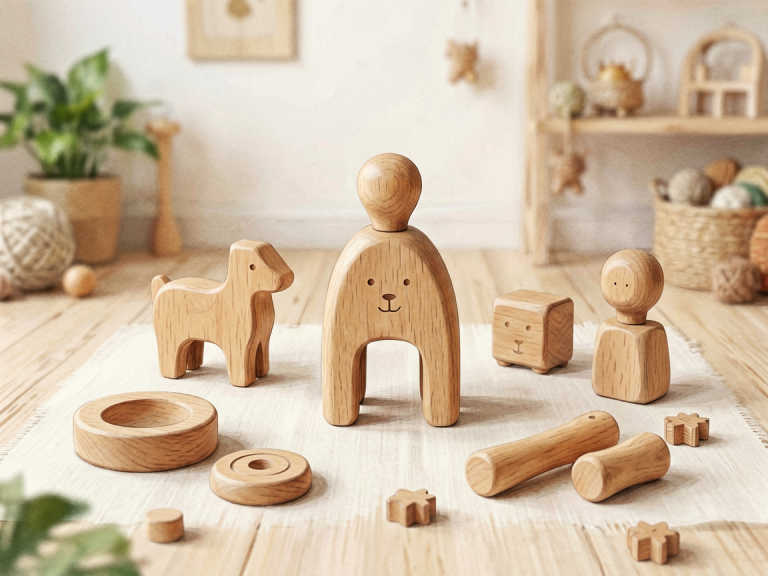
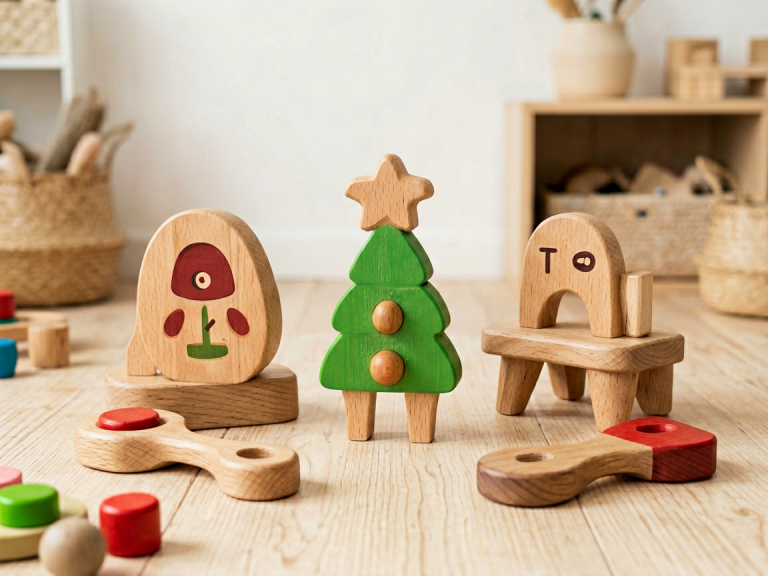
Instead, choose durable, flexible materials. Silicone, hard rubber, thick cloth, and wood are all travel-friendly. For example, a silicone stacking cup set (if age-appropriate) can be crushed, tossed, and stepped on without damage. A wooden puzzle with chunky pieces will survive a drop from a car seat. Also, avoid toys that are designed for a single purpose or a one-time activity, such as a sticker booklet with only one page to use. Multi-use toys—like a magnetic drawing board that can be erased again and again—offer far more value for the trip.
6. Avoid Overly Complicated Toys
Travel is stressful enough without adding a toy that requires a degree in engineering to understand. Toys with too many rules, multiple steps, or confusing instructions will frustrate both you and your child. A complex board game with a thick rulebook, a puzzle with hundreds of pieces, or a construction set that demands precise alignment—these are recipes for disaster in a moving vehicle or a cramped hotel room.
Simplify. Choose toys that are intuitive and self-explanatory. A pack of stickers, a simple jigsaw puzzle (with fewer than 20 pieces for young children), or a soft ball for gentle tossing are all perfect. The best travel toys are those that your child can use independently after a short demonstration. If you have to spend ten minutes reading instructions while the plane is taking off, the toy has already failed.
7. Avoid Toys That Require Assembly or Extra Equipment
Some toys are marketed as “portable” but actually require additional items to function. For example, a mini table soccer game might need a flat surface, a portable magnetic fishing game might need a metal surface, or a water drawing mat might need a clean water source. In the middle of a flight, you do not have access to a table big enough for a soccer field, nor a sink to refill the water pen. Similarly, toys that come with small tools (screwdrivers, wrenches) or extra parts that are easily lost are a liability.
Stick to self-contained toys. A matchbox car that runs on its own wheels, a small doll with no accessories, or a color-changing keychain that needs only body heat—these require no setup, no cleanup, and no separate equipment. The less your child needs from you to play, the better.
8. Avoid Messy or Sticky Toys
Travel environments are not designed for messy play. Sand, glitter, slime, clay, markers that stain, or water-based toys can ruin upholstery, clothing, and other passengers’ belongings. A spilled container of playdough in a car, a broken crayon smeared across a white bus seat, or a leaky water bottle for a water gun—these incidents cause stress and can even lead to extra costs (e.g., cleaning fees).
Choose mess-free alternatives. Color-with-water books (which require only a clean brush and dry paint on paper), dry erase markers for a small whiteboard, sticker books with reusable stickers, or felt storyboards are all excellent. If you want to bring something like modeling clay, pack it in a sealed container and use it only when you can supervise closely—perhaps in a hotel room with table cover. Better yet, leave the messy toys at home entirely.
9. Avoid Toys That Encourage Rough Play in Tight Spaces
Travel often involves confined areas—airplane rows, train seats, shuttle buses, hotel elevators. Toys that encourage running, jumping, wrestling, or throwing invite accidents. A foam ball that your child wants to toss back and forth might be fun in a park but dangerous in a cabin where other passengers are eating or sleeping. A toy sword or a large plastic bat can hit people or break things.
Instead, choose calm, stationary activities. Puzzles, books, drawing, quiet building blocks (like magnetic tiles that snap together lightly), and card games are all appropriate. Save the active toys for the destination—parks, beaches, or playgrounds—where space is plentiful and rough play is welcome.
Conclusion: The Golden Rule of Travel Toys
In summary, the best travel toys are those that are quiet, compact, durable, simple, self-contained, mess-free, and calm. Before you pack, ask yourself three questions: Can this toy be used in a small space? Will it annoy others? Can it withstand a drop or a squeeze? If the answer to any of these is “no,” leave it behind. Remember that the journey itself—the new sights, sounds, and experiences—is already a powerful toy for your child. Your job is not to entertain them nonstop, but to provide a few well-chosen tools that support their natural curiosity without creating chaos. When you avoid the traps listed above, you give yourself—and your child—the gift of a smoother, happier, and more memorable trip. Pack wisely, and let the adventure begin.