The Top Mistakes to Avoid When Buying Pretend Play Toys: A Parents Guide
Pretend play toys are among the most cherished and developmentally beneficial items a child can own. From kitchen sets and doctor kits to costume capes and tool benches, these toys open the door to a world of imagination, social learning, and cognitive growth. However, the market is flooded with options, and well-meaning parents often make costly errors — not just in terms of money, but in lost learning opportunities and even frustration for their children. Understanding the most common mistakes can help you choose toys that genuinely nurture your child’s creativity and skills. Below are six critical pitfalls to avoid, each explained with practical advice for making better purchasing decisions.
Mistake #1: Choosing Toys Based on Age Labels Alone — Without Considering Developmental Stage
One of the most frequent errors is relying solely on the manufacturer’s recommended age range printed on the box. While these labels offer a helpful starting point, they are often overly broad or driven by marketing rather than developmental science. A “3+” kitchen set might feature tiny plastic food pieces that pose a choking hazard for a two-year-old, while a “4+” doctor kit could be too simplistic for a five-year-old who craves more complex role‑playing scenarios. The real question to ask is: *What can my child actually do with this toy right now, and what might they learn from it?*
Instead of blindly trusting the age label, observe your child’s current interests, fine motor skills, and attention span. A two-year-old may benefit more from a soft, large‑piece pretend food set than from a miniature stainless‑steel cookware set. A four‑year‑old who loves sorting and categorizing might thrive with a pretend grocery store that includes realistic coins and price tags. Always match the toy’s complexity to your child’s actual abilities — not their calendar age. When in doubt, choose a toy that offers slightly more challenge than your child can handle alone, but that they can grow into with a little adult guidance.
Mistake #2: Prioritizing Features Over Open‑Ended Play Value
Many modern pretend play toys are packed with lights, sounds, and pre‑recorded phrases. A toy cash register that beeps, chimes, and announces “Thank you, have a nice day!” may seem exciting, but it often limits the child’s role to a passive listener rather than an active creator. This is a classic case of prioritizing entertainment over *open‑ended* play — the kind of play that has no fixed outcome and allows children to invent their own rules, stories, and solutions.
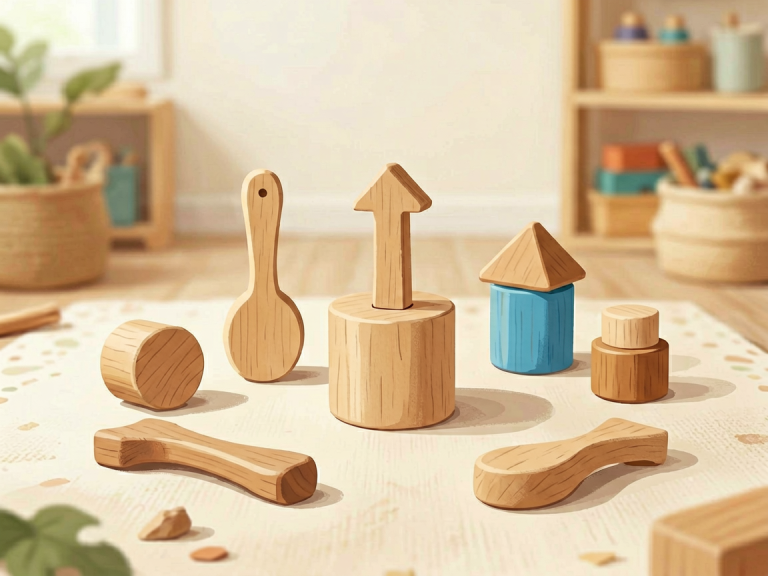
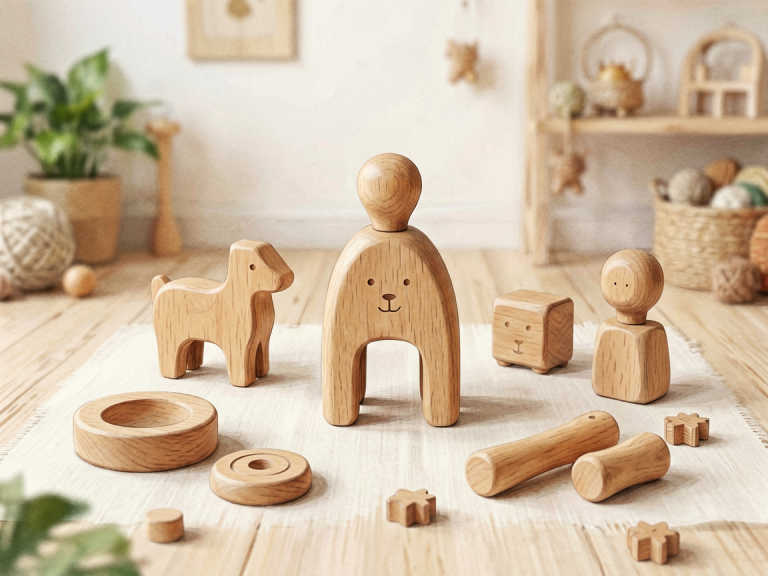
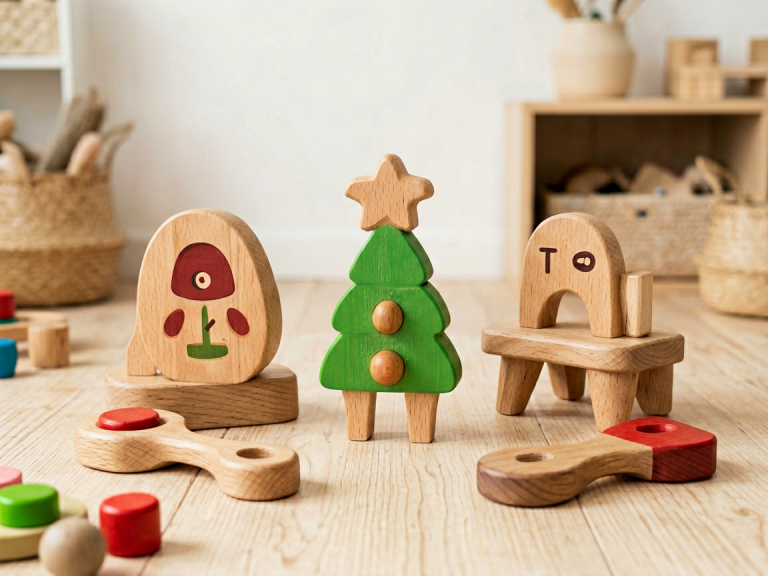
Open‑ended pretend play toys — such as simple wooden blocks, plain fabric dress‑up scarves, neutral‑colored play dough, or a basic set of plastic animals — encourage children to project their own ideas onto the objects. A cardboard box can become a spaceship, a castle, or a time machine. In contrast, a battery‑operated toy that only does one thing (like a talking ambulance that repeats the same three phrases) quickly loses its appeal and stifles creativity. When shopping, ask yourself: *Can this toy be used in multiple ways? Will my child be the director of the play, or just a button‑pusher?* If the answer leans toward the latter, put it back on the shelf.
Mistake #3: Assuming More Toys Equal Better Play
Walking into a toy store or scrolling through online listings, it’s tempting to buy a whole set: a complete kitchen with 50 accessories, a medical kit with 30 plastic tools, or a tool bench with a dozen fake tools. Parents often believe that more pieces automatically means richer play. In reality, an overwhelming number of items can actually *reduce* the quality of pretend play. A child faced with a mountain of tiny plastic food items, pots, pans, and utensils may become distracted, picking up one piece after another without ever engaging in sustained imaginative narrative.
Research in early childhood development shows that children engage in deeper, more complex pretend play when they have a manageable number of meaningful props. A simple wooden spoon, a bowl, and a few felt vegetables can spark a rich cooking scenario that lasts for twenty minutes. The key is quality over quantity. Instead of buying the largest set on the market, choose a smaller, well‑designed collection that leaves room for the child to add their own ideas. You can always supplement later with homemade props — like empty food boxes, fabric scraps, or real utensils (safe for their age). This approach not only saves money but also respects the child’s natural ability to fill in the gaps with imagination.
Mistake #4: Over‑Pigeonholing Toys by Gender Stereotypes
Despite growing awareness of the harm caused by rigid gender roles, many pretend play toys are still marketed in strongly gendered packages — pink “princess” kitchen sets for girls and blue “tough guy” tool benches for boys. While there is nothing inherently wrong with a child choosing a toy that aligns with traditional gender norms, the mistake lies in *limiting* choices based on gender. A boy who wants to play with a dollhouse or a baby doll is often subtly discouraged, while a girl who craves a construction helmet and a tool belt may be steered toward softer toys. This not only narrows their interests but also denies them important developmental experiences.
Pretend play is fundamentally about exploring roles, relationships, and possibilities. A child who plays with both a doctor kit and a tea set develops a more balanced understanding of nurturing, problem‑solving, and social interaction. When buying toys, resist the urge to shop in the “boy” or “girl” aisle. Look for neutral options or intentionally mix both. A firefighter helmet, a stethoscope, a set of play food, and a small doll can all coexist in the same toy bin. The most important question is: *Does this toy invite my child to imagine and create?* Not: *Is this toy appropriate for my child’s gender?*
Mistake #5: Buying Toys That Are Too Realistic — And Leaving No Room for Imagination
It seems logical that a more realistic toy would lead to better pretend play. Yet, paradoxically, toys that are extremely detailed — such as a miniature iPad that looks exactly like the real thing, a kitchen stove with tiny knobs that actually click, or a vacuum cleaner that makes authentic whirring sounds — can actually *shut down* creativity. When a toy looks and works exactly like the real object, there is nothing left for the child to imagine. They simply mimic a real‑life action without transforming or reinterpreting it.
The best pretend play toys often have an element of abstraction. A simple piece of cloth can become a cape, a blanket, or a river. A set of plain wooden blocks can represent towers, food, or even people. This “low‑fidelity” approach forces children to use their minds to fill in the missing details. When evaluating a toy, consider whether it leaves room for symbolic transformation. If it already shows every detail — down to the fake credit card slot on a pretend cash register — it may be better saved for an older child who can appreciate realism as a form of aesthetic play, rather than a preschooler whose imagination craves open space.
Mistake #6: Ignoring Durability and Safety in Favor of Low Price
It’s understandable to want to save money, especially when children outgrow toys quickly. However, buying the cheapest pretend play toys often means sacrificing both safety and longevity. Flimsy plastic parts break easily, producing sharp edges that can cut little fingers. Small magnets or button batteries may fall out, posing serious ingestion hazards. Paints and varnishes on cheap wooden toys may contain lead or other toxic chemicals. In the worst cases, poorly constructed toys can cause accidents — for example, a lightweight toy ironing board that tips over when a child leans on it.
Before making a purchase, check for safety certifications (such as ASTM, EN71, or CE marks). Read reviews that mention durability, especially for items that will be heavily used, like toy tools or kitchenware. Consider materials: solid wood (with non‑toxic finishes) generally lasts longer than thin plywood or brittle plastic. Fabric toys should have reinforced seams and be machine washable. While you don’t need to buy the most expensive brand, avoid the rock‑bottom prices that often indicate corners cut in safety. A slightly higher investment now may keep your child safe and give the toy a longer life — and it can be passed down to siblings or friends.
Conclusion: Choosing Wisely for Lasting Imaginative Play
Buying pretend play toys should be an exciting process, not a minefield of regret. By avoiding the mistakes of ignoring developmental readiness, prioritizing flashy features over open‑ended potential, buying too many pieces at once, reinforcing gender stereotypes, choosing hyper‑realistic designs, and compromising safety, you can build a toy collection that truly supports your child’s growth. Remember, the best pretend play toy is not the one that does the most — it’s the one that *allows* your child to do the most. A few well‑chosen, high‑quality items that invite creativity, encourage social interaction, and respect your child’s imagination will pay dividends in countless hours of joyful, meaningful play. So next time you shop, step back, think about the kind of play you want to inspire, and choose with intention. Your child’s imagination will thank you.