The Great Toy Debate: Cheap vs. Expensive – What Really Matters for Childrens Development?
Toys are the currency of childhood. They fill nurseries, clutter living rooms, and spark the imaginations of children everywhere. Yet, behind every colorful package lies a silent question that haunts parents, educators, and economists alike: Is the price tag a reliable measure of a toy’s worth? The age-old debate between cheap toys and expensive toys is not merely about affordability; it touches on safety, longevity, educational value, and even environmental responsibility. While expensive toys often promise premium materials and brand prestige, cheap toys offer accessibility and quantity. This article dissects the core differences between these two categories, moving beyond surface-level judgments to explore what truly benefits a child’s growth and happiness.
Material and Safety: The Hidden Costs of Low Price
When comparing cheap and expensive toys, the most immediate and critical difference lies in material composition and safety standards. Expensive toys, especially those from reputable brands, are typically manufactured under strict quality controls. They use non-toxic plastics, lead-free paints, and rounded edges to minimize choking hazards. For example, a high-end wooden train set from a brand like Melissa & Doug or Hape is often finished with water-based, child-safe lacquers and undergoes rigorous testing for small parts. In contrast, cheap toys – often mass-produced in less regulated factories – may contain phthalates, BPA, or heavy metals. Studies have shown that some low-cost plastic toys from discount stores can leach harmful chemicals, especially when chewed or exposed to heat. A $2 doll from a dollar store might look harmless, but its synthetic hair may shed microplastics, and its brittle plastic arms can snap into sharp edges.
The safety gap is further widened by assembly and design. Expensive toys tend to be sturdier, with fewer detachable tiny components that could be swallowed. Cheap toys, on the other hand, sometimes sacrifice structural integrity for cost savings. A budget-friendly remote-control car may have exposed wires or a poorly secured battery compartment, posing an electrical or ingestion risk. However, it is important to note that not all cheap toys are dangerous. Many reputable budget brands, such as those found in IKEA or certain Target lines, maintain reasonable safety standards. The key takeaway is that price alone does not guarantee safety, but the probability of encountering hazardous materials is significantly higher in the ultra-cheap segment.
Durability and Longevity: Built to Last or Built to Break?
A common criticism of cheap toys is their short lifespan. A $10 plastic action figure may lose a limb within a week of rough play, whereas a $40 collectible figure from a licensed franchise might survive years of adventures. Durability is often a direct function of manufacturing quality. Expensive toys use thicker walls, stronger joints, and better-engineered mechanisms. Take LEGO blocks as an example: genuine LEGO bricks are renowned for their exact tolerances, allowing them to click together firmly for decades without cracking. Cheap imitation blocks, while a fraction of the cost, often have uneven surfaces, loose fits, and may break under stress. Similarly, a cheap plush toy may lose its stuffing after a few machine washes, while a premium Steiff teddy bear can become a family heirloom.
However, durability is not always a virtue. Some argue that cheap toys, precisely because they break easily, teach children a different kind of lesson: the value of care and the reality of material impermanence. Yet, from a practical standpoint, constantly replacing broken toys can add up. The total cost of ownership for a cheap toy may actually exceed that of an expensive one if it needs to be replaced multiple times. For instance, buying five $10 water pistols over a summer versus one $30 high-quality water blaster that lasts for years. The environmental cost is also significant: broken cheap toys often end up in landfills, while durable toys have a lower replacement rate.
Educational and Developmental Value: Rich Features vs. Simple Stimulation
When parents choose toys, they often consider what a child can learn from them. Expensive toys frequently boast advanced features: interactive electronics, multiple modes of play, integration with apps, and detailed curriculum-aligned content. A $150 learning tablet can teach letters, numbers, and problem-solving through games. A cheap version might just play a few repetitive sounds. On the surface, the expensive toy seems superior. However, developmental psychologists often caution against over-engineering. The best toys are not the ones that do the most; they are the ones that leave the most room for the child’s own creativity. A simple cardboard box – essentially free – can become a spaceship, a castle, or a time machine. Cheap wooden blocks, jigsaw puzzles, and basic dolls encourage open-ended play, language development, and social interaction without the distraction of flashing lights and pre-recorded phrases.
Expensive toys that are overly prescriptive can actually stifle imagination. A toy that says “Now let’s spell C-A-T” leaves little room for a child to invent their own stories. In contrast, a cheap set of crayons and paper yields infinite possibilities. The Montessori and Waldorf educational philosophies emphasize the value of simple, natural materials precisely because they force children to be active participants rather than passive consumers. So while expensive toys may offer more “features,” cheap toys often provide more “freedom.” The balance lies in selecting toys that match a child’s developmental stage: a cheap stacking cup set for a toddler encourages motor skills, while a more expensive microscope for an older child can spark scientific curiosity.
Creativity and Imagination: The Paradox of Prefabricated Play
One of the most striking contrasts between cheap and expensive toys is how they influence imaginative play. Expensive licensed toys—think action figures from a blockbuster movie or dolls modeled after a popular TV character—come with a predetermined narrative. A child playing with a Spider-Man figure is likely to reenact scenes from the film. This can be enjoyable and even beneficial for language and sequencing skills, but it also limits the scope of original storytelling. Cheap toys, especially generic ones like a bag of multicolored plastic animals, a set of basic wooden blocks, or a simple doll with no branded backstory, invite children to invent entirely new worlds. A cheap toy soldier can be a knight, a space explorer, or a superhero depending on the child’s mood.
Moreover, cheap toys often come in bulk. A bucket of 100 plastic dinosaurs costs the same as one high-quality electronic dinosaur that walks and roars. With 100 dinosaurs, a child can sort them by color, size, or species, create entire ecosystems, and engage in complex social play with siblings or friends. The sheer quantity can fuel extended periods of engagement. Psychologists call this “divergent thinking”—the ability to generate multiple uses for a single object—and it is a core component of creativity. Expensive toys, by being more specialized, may inadvertently narrow that thinking. This is not to say that all expensive toys are bad for creativity. Many high-end construction sets, like Magna-Tiles or Kapla planks, are inherently open-ended and encourage architectural creativity. But the general trend holds: the less a toy dictates its own purpose, the more a child must invent one.
Social and Psychological Factors: Status, Peer Pressure, and Self-Esteem
Beyond the playroom, toys carry social currency. Children are acutely aware of brand names and trends. An expensive toy—whether it’s a Nintendo Switch, a branded dollhouse, or a limited-edition collector’s item—can signal status among peers. A child who owns the latest popular toy may experience a temporary boost in social standing, while a child with only cheap toys might feel left out or embarrassed. This social dynamic is a real pressure point for parents. The fear of their child being teased or excluded often drives families to stretch budgets for a single expensive toy rather than buying several affordable ones.
Yet, psychological research suggests that the long-term effects of such status-driven purchases are mixed. The joy of acquiring a coveted expensive toy often fades quickly, a phenomenon known as the “hedonic treadmill.” Meanwhile, the lessons of resourcefulness and gratitude that come from enjoying less flashy toys can build resilience. Parents can mitigate negative social effects by emphasizing the uniqueness and value of homemade or inexpensive toys, and by fostering a family culture that prioritizes experiences over possessions. Some of the most cherished childhood memories come from simple, cheap toys: a kite flown on a windy day, a deck of cards used for endless games, or a collection of rocks painted like characters. These experiences build confidence not through ownership, but through creativity and social bonding.
Environmental Impact: The Hidden Burden of Disposability
In an era of climate consciousness, the environmental footprint of toys cannot be ignored. Cheap toys, by their nature, are often designed for short-term use. They are packaged in non-recyclable plastic blisters, shipped in massive quantities, and frequently discarded after a few weeks. Many are made from virgin petroleum-based plastics that will take centuries to decompose. The economic model of cheap toys is built on disposability: buy, break, toss, buy again. This cycle contributes to the staggering statistic that 90% of plastic toys end up in landfills, oceans, or incinerators.
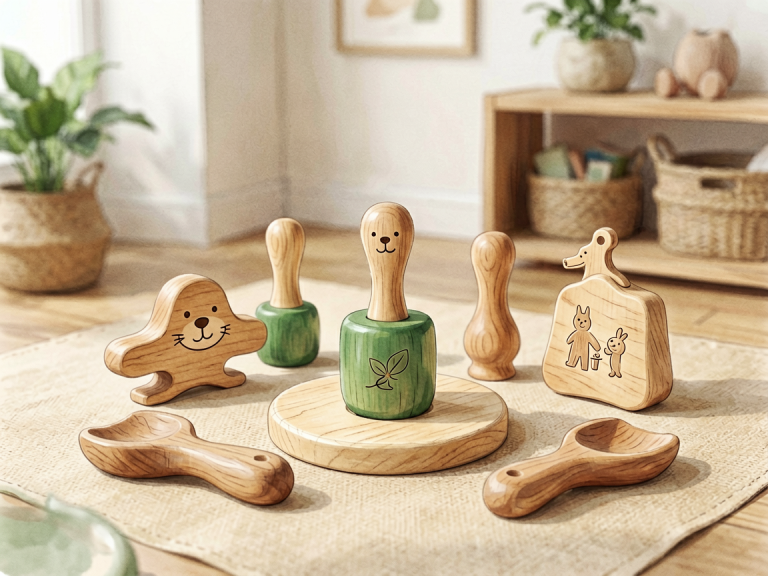
Expensive toys, while not automatically eco-friendly, tend to have a longer lifespan, which reduces waste per hour of play. Some premium brands also use sustainable materials such as responsibly sourced wood, organic cotton, or recycled plastics. For example, a high-quality wooden puzzle from a brand like Grimm’s or PlanToys can be passed down to younger siblings or even sold second-hand. However, expensive toys are not immune to environmental criticism. Electronic toys often contain lithium batteries and circuit boards that are difficult to recycle, and their packaging may be equally wasteful. The most environmentally friendly toys are arguably not the most expensive, but the simplest and most durable – and these can be found at any price point if one seeks them out. Thrift stores, hand-me-downs, and DIY toys represent the ultimate intersection of cheap and sustainable.
Conclusion: Beyond the Price Tag – Matching Toys to Needs
So which is better: cheap toys or expensive toys? The answer, as with most parenting dilemmas, is “it depends.” Cheap toys excel at providing quantity, variety, and open-ended opportunities for creativity. They are ideal for phases when a child’s interests change quickly, for group play, and for situations where loss or breakage is inevitable (think beach, playground, or a toddler’s mouth). Expensive toys, on the other hand, offer superior safety, durability, and sometimes focused educational value. They work well as long-term investments, for children who cherish specific hobbies, or for items that will be used heavily for years.
The wisest approach is not to choose one over the other, but to curate a balanced toy collection. Invest in a few high-quality, versatile items – a set of wooden blocks, a sturdy bike, a good book collection – that will last. Supplement with cheaper, disposable toys for novelty and variety. Most importantly, remember that a toy’s real value lies not in its cost, but in how it engages a child’s mind and heart. A $1 ball of yarn and a pair of sticks can teach more about physics and cooperation than a $200 tablet. The best toy is the one that a child returns to again and again, whether it cost five dollars or five hundred. Ultimately, the debate between cheap and expensive toys is a distraction from the deeper truth: children need time, attention, and freedom to play. The rest is just packaging.