The Great Toy Divide: Cheap vs. Expensive – What’s Best for Our Children?
Introduction
Every parent, caregiver, or gift-giver has faced the same dilemma: should I buy that brightly colored, budget-friendly plastic toy that promises instant joy, or should I invest in the pricier, often more minimalist wooden equivalent that claims to last a lifetime? The battle between cheap toys and expensive toys is not merely a matter of price tags; it reflects deeper questions about consumerism, child development, environmental responsibility, and even family values. In a world where toy aisles are flooded with options ranging from a few dollars to several hundred, understanding the true cost – financial, emotional, and ecological – of each choice is essential. This article will explore both sides of the divide, weighing the immediate gratification of cheap toys against the long-term benefits of their expensive counterparts, ultimately aiming to help readers make informed decisions that prioritize children’s well-being over marketing hype.
The Allure of Cheap Toys: Accessibility and Instant Gratification
Cheap toys have an undeniable appeal. For families on tight budgets, a few dollars can bring a smile to a child’s face, providing a momentary escape from the pressures of daily life. These toys are often licensed characters from popular movies or cartoons, leveraging children’s existing affections for heroes and princesses. The sheer abundance of cheap toys in discount stores, dollar stores, and online marketplaces means that parents can satisfy a child’s desire for novelty without breaking the bank.
Moreover, cheap toys serve a purpose in short-term entertainment and social play. A packet of plastic dinosaurs, glow-in-the-dark bracelets, or a simple action figure can spark imaginative scenarios, especially when children are visiting grandparents, waiting at a restaurant, or traveling. The low cost also means that if a toy gets lost, broken, or forgotten, the loss is not devastating. For young children with rapidly changing interests, cheap toys allow experimentation without commitment. However, this very disposability raises concerns about quality, safety, and environmental impact.
The Case for Expensive Toys: Durability, Design, and Developmental Value
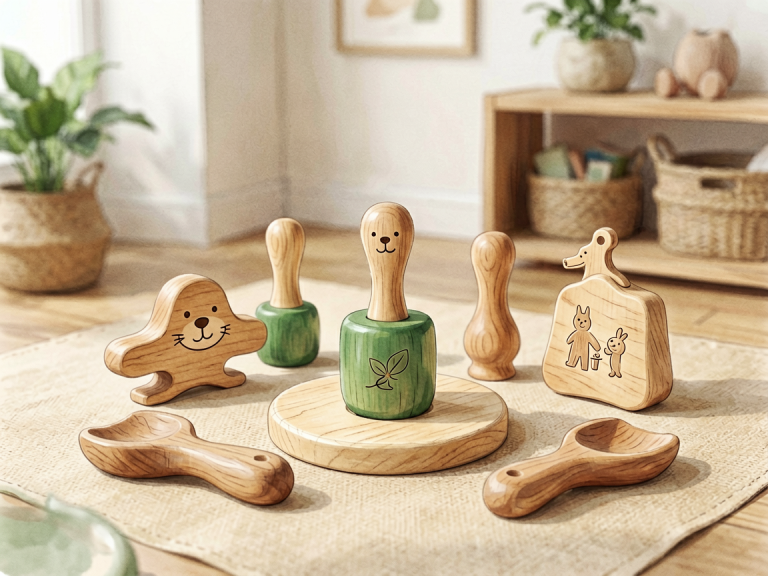
On the other end of the spectrum, expensive toys – whether crafted from sustainable wood, engineered with precision electronics, or designed by renowned child development experts – often boast superior durability, safety standards, and educational value. Take, for instance, a well-made wooden block set or a high-quality building system like magnetic tiles. These toys can be passed from one sibling to another, withstand years of rough play, and encourage open-ended creativity. Expensive toys typically undergo more rigorous testing for toxic materials, small parts, and choking hazards, offering peace of mind for health-conscious parents.
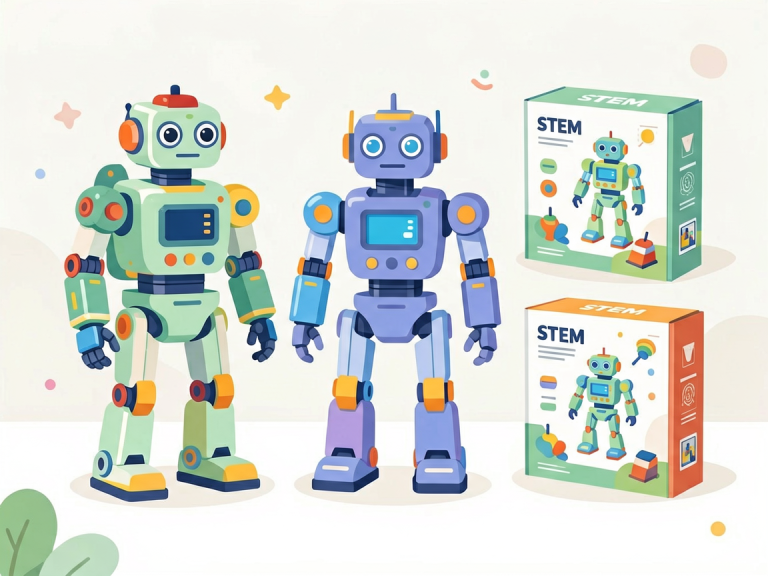
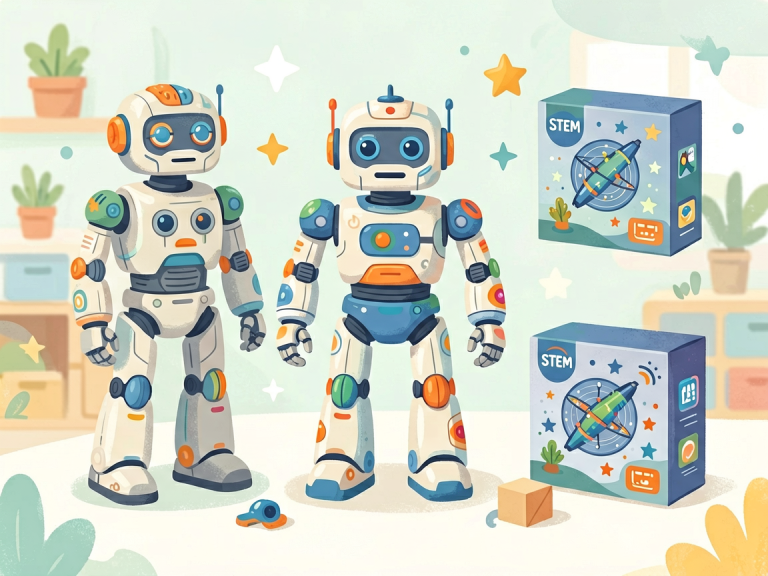
Beyond safety, expensive toys often incorporate principles of developmental psychology. A Montessori-aligned puzzle, a STEM robot kit, or a premium art set encourages problem-solving, fine motor skills, and sustained focus. Unlike cheap toys that may have a single function (e.g., a battery-operated singing doll), many expensive toys grow with the child, offering multiple levels of complexity. This longevity translates into a lower cost-per-use over time. Additionally, expensive toys frequently come with warranties, replacement parts, or robust customer support, further extending their life cycle. For families who value sustainability, investing in fewer but higher-quality items aligns with a minimalist, eco-friendly lifestyle.
The Hidden Costs: Quality, Safety, and Environmental Footprint
It would be easy to conclude that expensive toys are simply “better,” but the reality is more nuanced. Cheap toys often carry hidden costs that go beyond their negligible price. Many inexpensive plastic toys are manufactured with questionable materials, including phthalates, lead paint, or other hazardous chemicals. Reports of toy recalls due to safety violations are disproportionately associated with low-cost, mass-produced items. Furthermore, the short lifespan of cheap toys contributes significantly to the global plastic waste crisis. Every year, millions of tons of discarded toys end up in landfills, where they take centuries to decompose. The environmental cost is staggering – and it is one that parents may not see on the receipt.
In contrast, expensive toys are not automatically eco-friendly. Some are made from non-renewable resources, shipped in excessive packaging, or produced by companies with questionable labor practices. However, a growing number of premium toy brands emphasize ethical sourcing, recyclable materials, and carbon-neutral production. The key difference lies in the consumer’s ability to research and choose: expensive toys often come with transparent supply chains, whereas cheap toys are frequently sold with minimal information. Yet the high price tag can also foster a sense of exclusivity or “toy snobbery,” where parents feel pressured to purchase pricey items to keep up with peers or to provide the “best” for their child – a form of consumer anxiety that benefits no one.
Psychological Impact: Attention Span, Gratitude, and Creativity
Perhaps the most debated aspect of cheap vs. expensive toys is their effect on children’s minds. Does a deluge of cheap toys dampen a child’s ability to appreciate what they have? Studies in behavioral psychology suggest that when children receive many inexpensive toys, they may develop a “novelty-seeking” pattern, quickly discarding one item for the next. This can lead to shorter attention spans and a reduced capacity for deep, imaginative play. Conversely, when children have fewer, more meaningful toys, they tend to engage in richer, more creative scenarios – a principle championed by the “less is more” movement in early childhood education.
Expensive toys, however, are not a magic solution. A high-end robotic toy that can only follow a programmed script may actually stifle creativity compared to a simple cardboard box. The most valuable toys, regardless of price, are those that allow children to be the directors of their own play. A cheap set of wooden blocks from a discount store can be just as beneficial as an expensive designer version if the child has the freedom to build, dismantle, and rebuild. The critical factor is not cost but design intent: toys that are open-ended, adaptable, and responsive to the child’s imagination outperform both cheap junk and expensive gimmicks.
Finding the Balance: Practical Strategies for Parents
Given the complexity of the cheap vs. expensive toy debate, what should a thoughtful parent or gift-giver do? The answer lies not in choosing one extreme but in adopting a hybrid approach. First, prioritize essential categories: safety, durability, and developmental appropriateness. For everyday play, invest in a core set of high-quality, versatile toys (e.g., building blocks, art supplies, puzzles) that can be used for years. For special occasions, indulge in a few cheap novelty items that align with a child’s current passion – but set a limit and discuss the temporary nature of such toys.
Second, embrace secondhand options. Many expensive toys are available gently used at a fraction of the retail price through thrift stores, online marketplaces, or community swaps. This reduces both financial and environmental costs. Third, practice mindful gifting. Instead of buying many small cheap items, consider pooling resources to purchase one meaningful, lasting toy. Finally, teach children about value, not price. Explain why some toys break easily while others last, and involve them in the process of choosing, caring for, and donating toys. By doing so, we equip children with a healthy relationship with material goods – one that transcends the cheap vs. expensive binary.
Conclusion
The choice between cheap toys and expensive toys is not a moral judgment but a practical decision informed by context, values, and goals. Cheap toys offer accessibility, variety, and low-stakes fun, while expensive toys provide durability, safety, and developmental depth. Neither category inherently makes a child happier, smarter, or more creative. Instead, the true measure of a toy’s worth lies in the quality of play it inspires and the memories it creates. As consumers, we can navigate this divide by being intentional: buying fewer, better things when we can, and using cheap toys as occasional supplements rather than the foundation of a child’s playroom. In a world overrun by clutter and consumer noise, perhaps the most valuable gift we can give our children is not a toy at all, but the gift of our time, presence, and thoughtful choices.