Choosing Toys for Classrooms: A Comprehensive Guide for Educators
Introduction
Selecting the right toys for a classroom is far more than a simple shopping trip. It is a deliberate, pedagogical decision that can shape the way children learn, interact, and develop. In today’s educational landscape, where play-based learning is increasingly recognized as a cornerstone of early childhood and primary education, the toys we choose become tools for exploration, creativity, social skill development, and cognitive growth. However, with an overwhelming variety of options available—from colorful plastic blocks to high-tech digital kits—educators often find themselves asking: *Which toys are truly beneficial for my classroom? How do I balance fun with educational value, safety with durability, and budget with variety?*
This guide is designed to answer those questions. It provides a structured framework for evaluating, selecting, and maintaining classroom toys, ensuring that every item in your learning space serves a meaningful purpose. Whether you are a seasoned teacher setting up a new classroom, a homeschooling parent, or a school administrator updating a shared resource room, this guide will help you make informed, thoughtful choices. By the end, you will understand the key criteria—developmental appropriateness, safety, diversity, durability, and cost-effectiveness—and be equipped with practical strategies to create a play environment that supports every child’s growth.
The Role of Play in Classroom Learning
Before diving into selection criteria, it is essential to understand why toys matter in the classroom. Play is not a break from learning; it is learning. According to the National Association for the Education of Young Children (NAEYC), play promotes cognitive, social, emotional, and physical development. Through play, children practice problem-solving, negotiation, language, and fine motor skills. Toys are the catalysts for these experiences.
For example, a simple set of wooden building blocks can teach mathematical concepts like balance, symmetry, and spatial reasoning. A pretend play kitchen can foster cooperation and language as children take on roles and create narratives. Even seemingly simple items like puzzles enhance persistence and logical thinking. Therefore, when choosing toys, educators must consider how each item aligns with their curriculum goals and developmental milestones.
Key Considerations When Choosing Classroom Toys
Age and Developmental Appropriateness
The most fundamental criterion is that toys must match the developmental stage of the children who will use them. A toy that is too advanced may cause frustration; one that is too simple will lead to boredom and disengagement. For preschoolers (ages 3–5), focus on toys that encourage sensory exploration, gross motor skills, and early social interaction. Examples include large building blocks, play dough, simple puzzles, and dramatic play props like costumes and kitchen sets.
For kindergarten and early elementary (ages 5–8), introduce toys that promote more complex problem-solving and cooperation. Board games, construction sets with smaller pieces, art supplies, and early STEM kits (like simple circuits or magnetic tiles) work well. For older elementary (ages 8–11), consider strategy games, coding robots, advanced building kits (e.g., LEGO Technic), and collaborative project materials like marble runs or stop-motion animation tools.
Always check the manufacturer’s age recommendations, but also observe your own students. Children develop at different rates, so a classroom should offer a range of difficulty levels to accommodate diverse abilities.
Safety First: Materials, Choking Hazards, and Durability
Safety is non-negotiable in any classroom environment. When evaluating toys, examine the materials: Are they non-toxic? Do they contain BPA, phthalates, or lead? Look for certifications such as ASTM (American Society for Testing and Materials) or CE marks in Europe. Avoid toys with sharp edges, small parts that could be choking hazards for children under three, or strings longer than 12 inches that pose strangulation risks.
Durability also relates to safety. A toy that breaks easily can become a hazard with sharp edges or swallowable pieces. For heavy-use classrooms, choose toys made from solid wood, hard plastic, or sturdy fabric. Avoid cheap, brittle plastics that crack under pressure. Additionally, consider the ease of cleaning—toys that can be wiped down or sanitized are essential in group settings to prevent the spread of germs.
Promoting Inclusivity and Diversity
Classroom toys should reflect and celebrate the diversity of the children who use them. This means selecting dolls, figures, and books that represent a variety of races, ethnicities, abilities, family structures, and cultures. For example, a set of play people might include characters with different skin tones, physical disabilities (e.g., a wheelchair user), and gender-neutral clothing. Art supplies should include crayons and markers in a wide skin color palette.
Inclusive toys also extend to sensory and accessibility considerations. For children with autism or sensory processing challenges, consider fidget toys, weighted blankets, or noise-canceling headphones. For children with fine motor difficulties, choose larger pieces or adaptive tools like easy-grip crayons. An inclusive classroom toy library ensures that every child sees themselves reflected and can participate fully.
Encouraging Open-Ended Play vs. Prescriptive Toys
One of the most important distinctions in toy selection is between open-ended and closed-ended toys. Open-ended toys—such as blocks, loose parts (e.g., beads, shells, fabric scraps), play dough, and building planks—can be used in countless ways, limited only by a child’s imagination. They foster creativity, divergent thinking, and problem-solving because there is no single “correct” way to use them.
Closed-ended toys, like puzzles, matching games, or electronic toys with predetermined outcomes, have a specific goal. These are valuable for developing focus and logical reasoning, but they should not dominate the classroom. A healthy balance is key. Aim for at least 60–70% open-ended toys to allow for free exploration and child-directed learning. Too many prescriptive toys can stifle creativity and lead to rigid thinking.
Stimulating Multiple Developmental Domains
Toys should support a holistic approach to development. Consider the following domains:
- Cognitive development: Puzzles, memory games, pattern blocks, science kits.
- Language and literacy: Alphabet puzzles, story sequencing cards, puppets, listening stations with audiobooks.
- Social and emotional: Board games that require turn-taking, cooperative games (e.g., “Hoot Owl Hoot!”), emotion cards, and dramatic play sets.
- Physical development: Balls, balance beams (for gross motor), lacing beads, scissors, and clay for fine motor.
- STEM and creative arts: Construction sets, coding toys, art supplies like watercolors and clay, musical instruments.
When choosing, aim for variety across these domains. A classroom should not have twenty puzzles but no materials for dramatic play or gross motor movement.
Durability, Maintenance, and Storage
Classroom toys face heavy use and must withstand daily handling, stacking, throwing (intentional or accidental), and cleaning. Invest in high-quality toys that last. Wooden toys tend to be longer-lasting than plastic ones, but they can be heavier and more expensive. Plastic toys should be thick and impact-resistant.
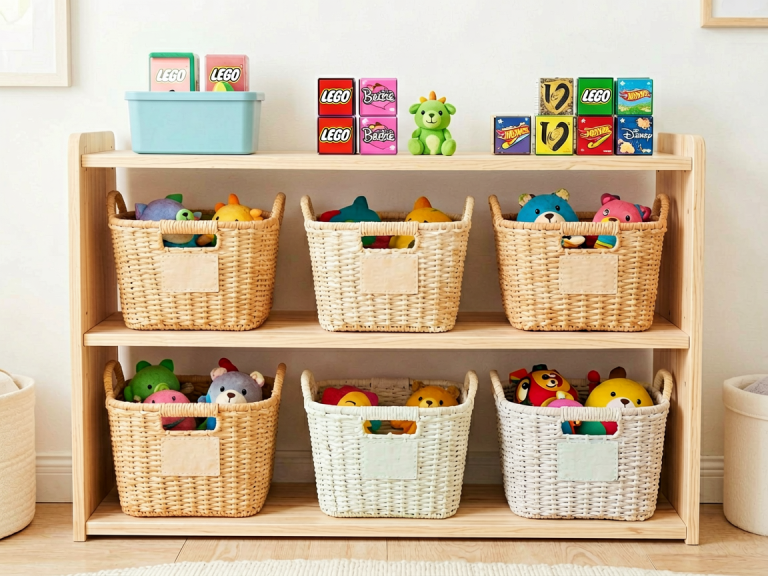
Consider storage. Toys that come with their own storage boxes or tubs make it easier for children to clean up independently. Clear bins with labels help children identify where items belong, promoting organizational skills. Rotate toys periodically to maintain interest—keep some in storage and swap them out every few weeks. This also reduces clutter and helps you observe which toys are most engaging.
Types of Classroom Toys to Consider
Building and Construction Toys
These are the cornerstone of any classroom. They develop spatial awareness, fine motor skills, and mathematical thinking. Options include: wooden unit blocks, LEGO or Duplo bricks, magnetic tiles (e.g., Magna-Tiles), interlocking plastic blocks, and foam blocks for younger children. Encourage children to build structures, patterns, or representations of real-world objects.
Pretend Play and Dramatic Play Props
Dramatic play is essential for social-emotional development. Equip a dramatic play corner with: a play kitchen with pots, pans, and plastic food; dress-up clothes and props (hats, scarves, doctor sets, grocery store items); dolls and dollhouses; and a cash register. This area allows children to experiment with roles, negotiate, and practice language.
Art and Creative Materials
Creativity is nurtured through open-ended art supplies: washable markers, crayons, tempera paint, watercolors, play dough, modeling clay, safety scissors, glue sticks, collage materials (feathers, buttons, fabric scraps), and easels. Avoid kits with pre-designed crafts that limit creativity; instead, provide raw materials and let children decide what to make.
Games and Puzzles
Board games and puzzles teach turn-taking, patience, and strategic thinking. Choose cooperative games (everyone works toward a common goal) to reduce competition, especially in early grades. Puzzles should range from simple knob puzzles for toddlers to 100-piece floor puzzles for older children. Card games, memory matching games, and bingo variations are also excellent.
Sensory and STEM Exploration
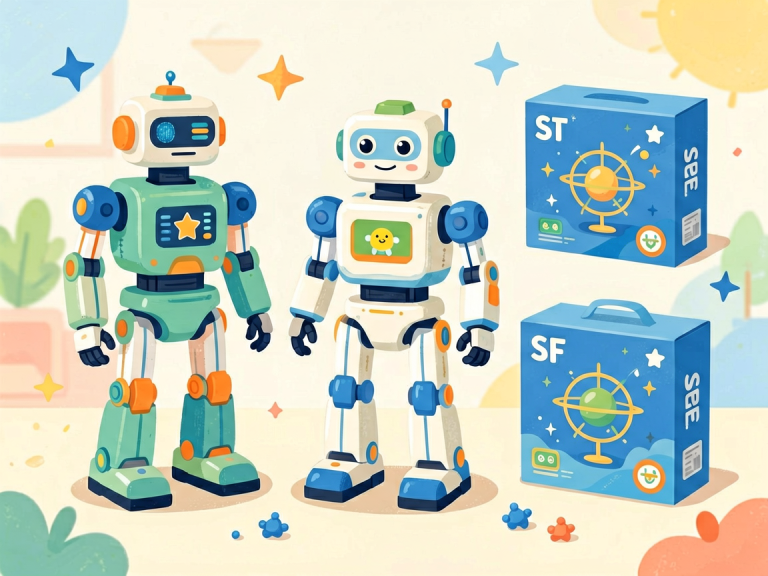
Sensory bins filled with rice, sand, water beads, or kinetic sand provide calming, tactile experiences. Include scoops, funnels, and small toys for exploration. For STEM, consider: simple coding robots (e.g., Bee-Bot or Cubelets), magnifying glasses, balance scales, magnet sets, and snap-circuits. These toys build problem-solving skills and curiosity about how the world works.
Gross Motor and Active Play
Indoor movement is crucial for young children, especially when outdoor play is limited. Balance beams, soft climbing mats, hula hoops, bean bags for tossing, and small tricycles (if space permits) get children moving. Also consider yoga cards, dance scarves, and parachutes for group activities.
How to Evaluate and Select Toys on a Budget
Classroom budgets are often limited. Here are strategies to maximize value:
- Prioritize high-impact, versatile items. A set of 100 wooden unit blocks can be used for years in countless ways. A single electronic toy may break quickly and offer limited play.
- Look for secondhand options. Thrift stores, online marketplaces (e.g., Facebook Marketplace), and school surplus sales often have gently used toys. Inspect for safety and cleanliness.
- Ask parents and community for donations. Many families are happy to donate toys their children have outgrown. Provide a wishlist of specific items.
- Rotate and share. Combine resources with other teachers in your school. Create a toy library where classrooms borrow themed sets each month.
- Invest in consumable supplies wisely. For art, buy in bulk. For puzzles and games, choose quality brands that offer replacement parts.
Conclusion
Choosing toys for a classroom is a thoughtful process that requires balancing educational goals, safety, diversity, and budget. By focusing on developmental appropriateness, open-ended play, and inclusive representation, educators can create an environment where children learn through joy and exploration. Remember that the best classroom toys are those that inspire curiosity, cooperation, and creativity—tools that empower children to become active, engaged learners.
As you build or refresh your classroom toy collection, use this guide as a checklist. Ask yourself: Does this toy align with my curriculum? Is it safe and durable? Does it invite multiple uses? Will it engage all learners? With careful selection, your classroom can become a rich landscape of discovery, where every toy holds the potential for a new adventure in learning.