Essential Tips for Choosing Toys for Classrooms: A Comprehensive Guide
Selecting the right toys for a classroom is far more than a simple shopping task—it is a strategic decision that directly influences children's cognitive development, social skills, emotional growth, and overall learning experience. Unlike toys used at home, classroom toys must serve a group of diverse learners, align with educational goals, and withstand the rigors of daily use. Poor choices can lead to distraction, boredom, or even safety hazards, while well-chosen toys can transform a classroom into a vibrant, engaging, and inclusive learning environment. This article provides a detailed, research-backed set of tips to help educators, administrators, and parents make informed decisions when choosing toys for classrooms.
Prioritize Educational Value and Learning Objectives
The primary purpose of classroom toys is to facilitate learning, whether through open-ended play or guided activities. When evaluating a toy, ask: What skills does it promote? The best options align with developmental milestones and curriculum goals.
- Cognitive skills: Puzzles, building blocks, and matching games enhance problem-solving, spatial reasoning, and memory. For example, a set of wooden pattern blocks allows children to explore geometry and symmetry while creating designs.
- Language and literacy: Toys that include letters, words, or storytelling components—such as alphabet magnets, picture cards, or puppet sets—help develop vocabulary, phonics, and narrative skills.
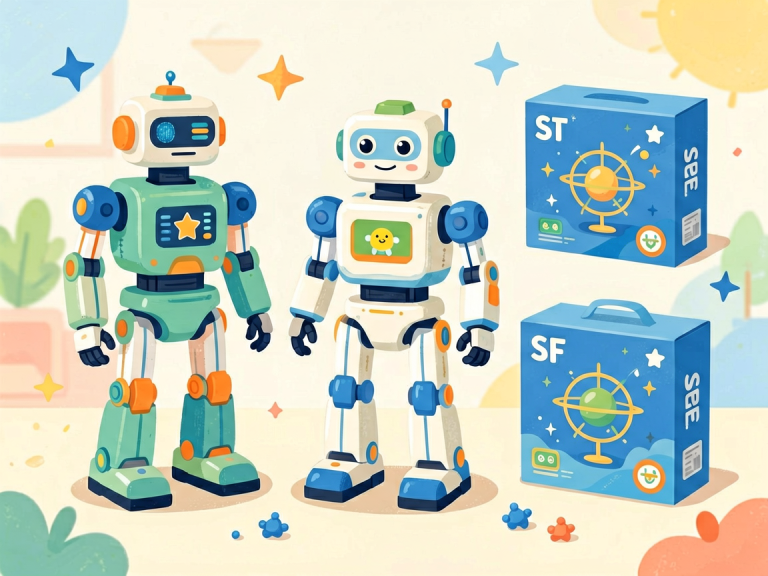
- STEM foundations: Construction kits, simple coding toys (e.g., programmable robots for young children), and science experiment kits introduce basic concepts of engineering, math, and scientific inquiry.
- Fine and gross motor skills: Manipulatives like lacing beads, play dough, and threading toys strengthen hand muscles, while large building blocks, tunnels, and balance beams support physical coordination.
Always check the toy's packaging or description for learning claims, but also consider how children will actually use it. A toy that appears educational on paper may be too passive or one-dimensional; the most valuable toys encourage active, hands-on exploration.
Ensure Age Appropriateness and Developmental Suitability
Classroom toys must match the age and developmental stage of the children using them. A toy that is too advanced can frustrate learners, while one that is too simple leads to disengagement. Consider the following age-based guidelines:
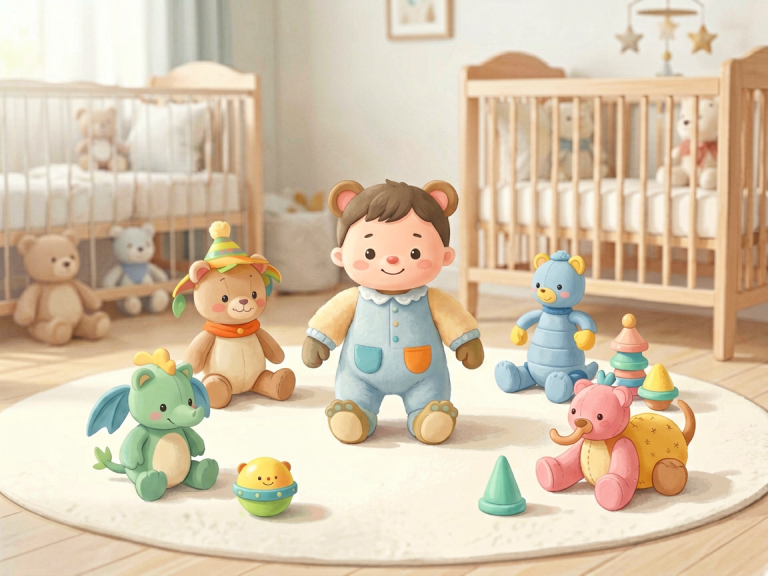
- Preschool (ages 3–5): Focus on sensory play, cause-and-effect, and basic social interaction. Safe choices include large soft blocks, simple puzzles, pretend play sets (kitchen, tool bench), and art materials like washable markers and non-toxic clay. Avoid small parts that pose choking hazards.
- Early elementary (ages 5–8): Children in this stage benefit from cooperative games, building sets (LEGO® Duplo or standard LEGO), board games that require turn-taking, and early STEM kits. Math manipulatives like base ten blocks and counting bears are excellent.
- Upper elementary (ages 8–11): More complex construction sets, strategy board games, science kits, and artistic supplies (weaving looms, model-making) support critical thinking and creativity. Digital coding toys or robotics kits can also be introduced.
- Mixed-age classrooms: Choose open-ended toys that can be used in different ways by children of varying abilities. Examples include wooden unit blocks, art supplies, and dramatic play props like scarves and hats. These allow older children to create elaborate scenarios while younger ones engage in simpler play.
Emphasize Safety and Durability
Classroom toys endure heavy use—multiple children, daily handling, and sometimes unintentional rough treatment. Safety is non-negotiable. Follow these precautions:
- Check for certifications: Look for safety marks such as ASTM (American Society for Testing and Materials) or CE (Conformité Européenne) labels, which indicate the toy meets recognized safety standards.
- Avoid toxic materials: Ensure toys are made from non-toxic paints, finishes, and plastics. For younger children, avoid toys with phthalates, BPA, or lead. Natural materials like untreated wood, organic cotton, or bamboo are often safer and more sustainable.
- Inspect for sharp edges and small parts: For classrooms serving children under 3, no toys should have parts small enough to fit inside a toilet paper tube. For older children, still supervise toys with small pieces.
- Durability matters: Choose toys that can withstand frequent use without breaking. Solid wood construction (versus particleboard), reinforced stitching on fabric toys, and high-quality plastic are good indicators. Avoid cheap, flimsy toys that may splinter or crumble.
- Cleanability: Classroom toys need to be sanitized regularly. Prefer materials that can be wiped down with disinfectant wipes (smooth plastic, sealed wood) over porous fabrics or paper-based items.
Promote Social Interaction and Cooperative Play
One of the greatest benefits of classroom toys is their ability to foster peer relationships and teamwork. When selecting toys, consider how they encourage children to play together.
- Cooperative board games: Instead of "winner-takes-all" games, look for games where players must collaborate to achieve a common goal (e.g., "Hoot Owl Hoot!" or "The Sneaky, Snacky Squirrel Game"). These reduce competition and build empathy.
- Large-scale building sets: Blocks, train tracks, or magnetic tiles that require multiple children to plan and construct together promote negotiation, sharing, and communication.
- Dramatic play centers: A well-stocked kitchen, doctor’s kit, or market stand invites children to assume roles, follow social scripts, and practice language in context. Adding multicultural dress-up clothes or food items can also teach diversity.
- Group art projects: Large sheets of paper, collaborative murals, or giant floor puzzles require children to coordinate their actions and respect others' contributions.
Avoid toys that isolate a single child for long periods, such as electronic handheld games or single-player puzzles that are too complex for sharing.
Incorporate Diversity and Inclusivity
Classroom toys should reflect and celebrate the diversity of the children and the world around them. Inclusivity goes beyond race and ethnicity; it also includes gender, ability, family structures, and cultures.
- Multicultural dolls and figures: Choose dolls with different skin tones, hair textures, and facial features. Also include figures representing people with disabilities (wheelchair users, hearing aids, walking canes).
- Non-stereotypical toys: Avoid gendered packaging or content. For example, construction sets should be marketed to all children, and kitchen sets should include both male and female figures.
- Adaptable toys: For children with physical or sensory challenges, consider toys that can be used with one hand, have large grips, or provide tactile feedback. Noise-making toys or light-up toys can aid children with visual impairments.
- Books and props: Pair toys with storybooks that feature diverse characters and settings. For instance, a set of farm animals can be accompanied by a book about a farm in Kenya or a Mexican rancho.
Balance Open-Ended and Structured Toys
Both categories have their place in a classroom. Open-ended toys (like blocks, play dough, art supplies, and loose parts) allow children to create their own rules and outcomes, fostering imagination and divergent thinking. Structured toys (like puzzles, board games, and science kits) have clear objectives and teach specific skills. A healthy mix ensures that children have opportunities for both free exploration and guided learning.
- Rule of thumb: Aim for 70% open-ended and 30% structured toys in the classroom. This ratio supports child-led play while still offering goal-oriented activities for focused skill development.
- Loose parts: A collection of natural items (pinecones, stones, shells), recycled materials ( bottle caps, fabric scraps), and simple shapes (rings, cylinders) can be combined in endless ways. These are especially valuable for preschool and primary grades.
Consider Space, Storage, and Rotation
Classrooms often have limited square footage and storage capacity. Thoughtful toy selection helps avoid clutter and maximizes use.
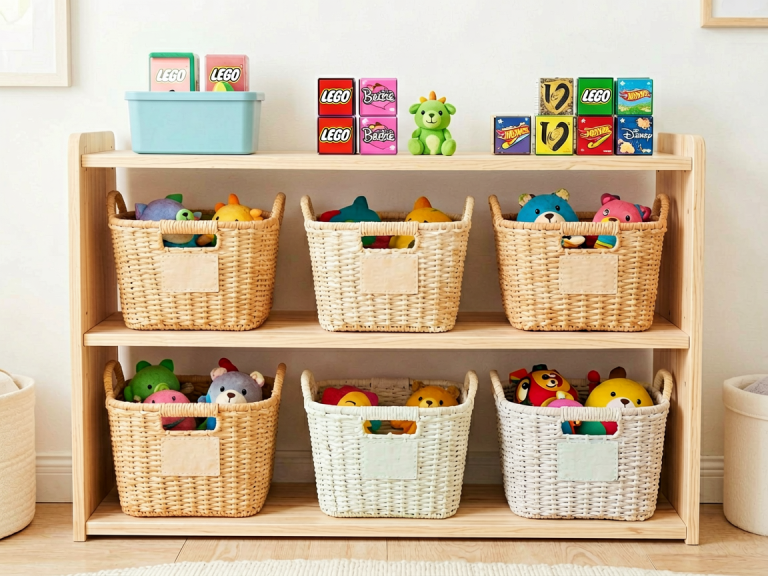
- Multipurpose furniture: Choose toys that double as storage or seating, such as cube shelving that holds bins of blocks, or a tactile table with a lid.
- Rotate toys regularly: Instead of putting all toys out at once, create a rotation schedule. A set of 10–15 carefully chosen toys per week keeps novelty high and prevents children from becoming overwhelmed. Store the rest in labeled clear bins out of sight.
- Portable and manageable: Large, bulky toys can dominate a classroom. Opt for modular systems that can be broken down and stored. For example, a foam block set that fits in a rolling cart is more practical than a giant plastic playhouse.
Align with Budget and Sustainability
Finally, cost is always a consideration. However, the cheapest option often leads to frequent replacement. Adopt a long-term perspective:
- Invest in classics: Wooden unit blocks, LEGO bricks, and quality art supplies last for years and can be used across age levels. They are worth the upfront cost.
- Look for grants or donations: Many schools and nonprofits offer funding for classroom materials. Write a proposal explaining the educational benefits.
- DIY and upcycle: Teachers can create toys from everyday items—sensory bins with rice and beans, tinker trays with safe recyclables, or felt boards with handmade shapes. These are inexpensive and customizable.
- Sustainability: Choose toys made from renewable materials (bamboo, wool, recycled plastic) and avoid excessive packaging. Teach children about caring for their toys by involving them in cleaning and repairing.
Conclusion
Choosing toys for classrooms is a deliberate process that requires balancing educational goals, developmental needs, safety, social dynamics, diversity, and practical constraints. By following these tips—prioritizing learning value, ensuring age-appropriateness, emphasizing safety, promoting cooperation, embracing inclusivity, mixing open-ended and structured play, managing space wisely, and thinking sustainably—educators can create a classroom environment where every child finds joy, challenge, and growth through play. Remember that the best toys are not the flashiest or most expensive; they are the ones that invite children to wonder, collaborate, and discover their own potential.