The Art of Choosing Toys for Siblings: A Guide to Harmony, Development, and Shared Joy
Introduction
Selecting toys for siblings is a task that goes far beyond picking up the latest trending item off a store shelf. When multiple children share a home, toys become more than mere playthings—they are tools for negotiation, sources of conflict, and sometimes the very glue that binds brothers and sisters together. The challenge lies in balancing individual preferences, developmental stages, safety requirements, and the ever-present hope that the toys will encourage cooperation rather than rivalry. Whether you are a parent preparing for a holiday, a grandparent looking for a thoughtful gift, or a caregiver aiming to enrich the playroom, understanding the nuanced dynamics of sibling relationships is essential. This article offers a comprehensive framework for choosing toys that not only entertain but also nurture a loving, respectful bond between siblings.
—
Understanding the Sibling Dynamic: Age Gaps, Interests, and Temperaments
Before rushing to buy anything, take a step back and observe the unique ecosystem of your sibling pair or group. The most common mistake is assuming that “one toy fits all.” In reality, the age gap between siblings dramatically influences what types of play are appropriate. For example, a family with a four-year-old and a one-year-old will need very different considerations than a family with two seven-year-old twins.
Wide Age Gaps (3+ years apart)
When siblings are far apart in age, the older child may quickly lose interest in toys designed for the younger, while the younger may be physically incapable of using toys intended for the older. The key here is to look for “scalable” toys—items that can be used in different ways depending on a child’s developmental stage. Building blocks, magnetic tiles, and simple construction sets allow a toddler to stack and knock down while an older sibling can create elaborate structures. Similarly, art supplies like washable markers, clay, and paper are universally accessible: the younger child scribbles and explores textures, while the older draws detailed pictures or makes sculptures. Avoid toys that are too “babyish” for the older child; instead, frame the toy as a shared medium where each child can engage at their own level.
Close Age Gaps (1–2 years apart)
Siblings close in age often share similar physical and cognitive abilities, but this proximity can also fuel competition. They may fight over the same toy because they both want to use it in the same way. Here, the goal is to select toys that either come in multiples (e.g., two identical dolls or cars) or have multiple components that allow simultaneous play (e.g., a train set with enough tracks and cars for both). Pay attention to temperament as well: if one child is more dominant and the other more passive, choose toys that naturally encourage turn-taking, such as board games with simple rules (like “Candy Land” or “Snakes and Ladders”).
Mixed Gender Siblings
While gender stereotypes are increasingly outdated, children often have different interests shaped by culture, peers, and personal preference. Rather than forcing a “gender-neutral” toy that neither child likes, consider toys that can be used in varied scenarios. A kitchen playset, for instance, appeals to many children regardless of gender, especially if you add realistic food items and pretend money. Science kits, puzzles, and role-playing costumes (doctor, firefighter, chef) also transcend gender boundaries. The real challenge is to respect each child’s individuality while finding common ground.
—
Prioritizing Safety and Age-Appropriateness Across Multiple Children
Safety is non-negotiable, and when siblings of different ages play together, the risks multiply. A toddler may choke on small parts that are perfectly safe for a five-year-old. Therefore, every toy selection must be scrutinized through the lens of the youngest child in the household. The U.S. Consumer Product Safety Commission categorizes toys by age, but these guidelines are only a starting point.
Small Parts and Choking Hazards
If you have a child under three years old, avoid toys with detachable small parts, even if the toy is marketed for older children. The older sibling may leave pieces scattered on the floor, creating a hazard for the baby. Choose toys that are either large enough to be safe (e.g., soft balls, large blocks) or that come with a storage system that keeps small pieces contained. Alternatively, designate “big kid only” toys that are used in a separate area under adult supervision.
Materials and Toxicity
Children of all ages put toys in their mouths, so ensure that paints, plastics, and fabrics are non-toxic and free from lead, phthalates, or BPA. Look for certifications like ASTM or CE marks. For shared items like play mats or stuffed animals, check that they are machine-washable, as siblings often share germs (and drool).
Electric and Battery-Operated Toys
Battery compartments must be secured with screws to prevent children from accessing batteries, especially button batteries which are extremely dangerous if swallowed. If a toy uses heat or moving parts, consider whether the younger child could get fingers pinched. When in doubt, choose manual, simple toys over high-tech ones for mixed-age groups.
—
Encouraging Cooperative Play: Toys That Foster Sharing and Teamwork
One of the greatest gifts a toy can give siblings is the opportunity to play together rather than side by side. Cooperative play builds social skills, empathy, and conflict resolution. Look for toys that require two or more participants to achieve a common goal.
Building and Construction Sets
Large wooden blocks, LEGO Duplo, or magnetic tiles are prime examples. When siblings work together to build a tower or a castle, they naturally negotiate roles (“You hold the base, I’ll put the top”) and celebrate shared success. Avoid sets with too few pieces; ensure there is enough for both to contribute meaningfully.
Board Games and Card Games
Even young children can enjoy simple cooperative board games where everyone plays against the “game” rather than each other. Titles like “The Sneaky Snacky Squirrel Game” or “Hoot Owl Hoot!” teach turn-taking without the sting of losing. For older siblings, classic games like “Uno” or “Sorry!” introduce healthy competition but can be modified with house rules to keep things fair.
Pretend Play Sets
A doctor’s kit, a market stand, or a puppet theater invites siblings to assign roles and act out scenarios together. This type of play lets them practice negotiation and empathy as they decide who is the patient and who is the doctor. To prevent arguments, choose sets that have multiple accessories so that each child can have a “role” and a prop.
Outdoor Toys
Large items like a seesaw, a tandem bike, or a giant soccer ball require coordination and teamwork. Even a simple parachute game (a large fabric circle that everyone holds and lifts) can bring siblings together. Outdoor play also helps burn off excess energy, reducing squabbles.
—
Balancing Individual Needs: How to Cater to Different Personalities Without Favoritism
Even when siblings share a home, they are distinct individuals with their own passions. A common pitfall is buying the same toy for both, thinking it’s fair, when in reality one child may be bored and the other frustrated. True fairness means giving each child something that speaks to their unique interests, while still maintaining a sense of group harmony.
The “One Shared, One Individual” Approach
A practical strategy is to purchase a larger shared toy (like a play tent, a swing set, or a dollhouse) plus smaller individual toys for each child. For example, buy a large box of craft supplies that both can use together, but also give the artistic older child a sketchbook and the younger child some jumbo crayons. This way, each sibling feels acknowledged, yet they have a common activity to do side by side.
Celebrating Differences
If one child loves dinosaurs and the other loves ballet, resist the urge to pick a “compromise” toy that neither loves. Instead, buy a dinosaur puzzle and a ballet book. Later, encourage them to show each other what they learned. The message is: “You are different, and that is wonderful.” Over time, siblings learn to appreciate each other’s interests.
Avoiding Comparison
Never present toys as rewards for good behavior in a competitive way. Avoid saying, “Because you cleaned your room, you get this toy, and your sister didn’t.” Instead, gift toys on neutral occasions (birthdays, holidays, or just because) and frame them as expressions of love for each child as an individual.
—
The Role of Educational Value: Toys That Promote Learning for All Ages
Smart toys that teach numbers, letters, or problem-solving can be especially beneficial when siblings learn together. The older child often reinforces their knowledge by teaching the younger one, which boosts their own confidence and mastery.
STEM and Science Kits
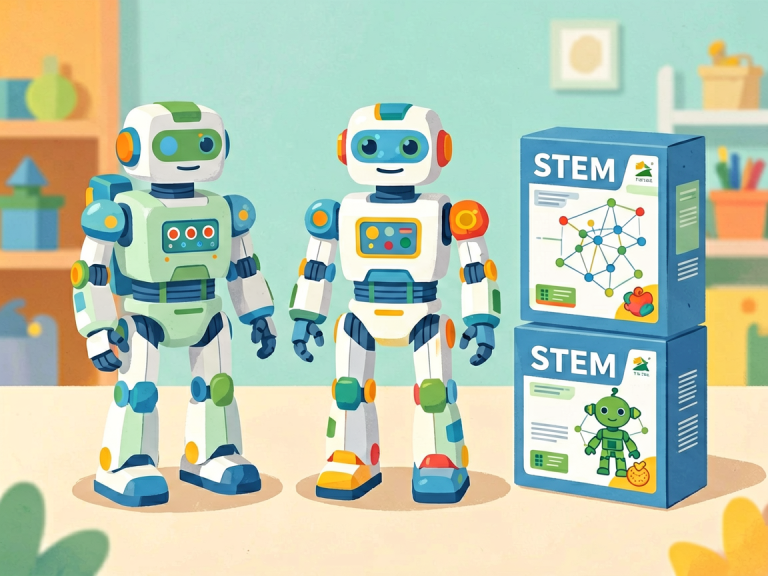
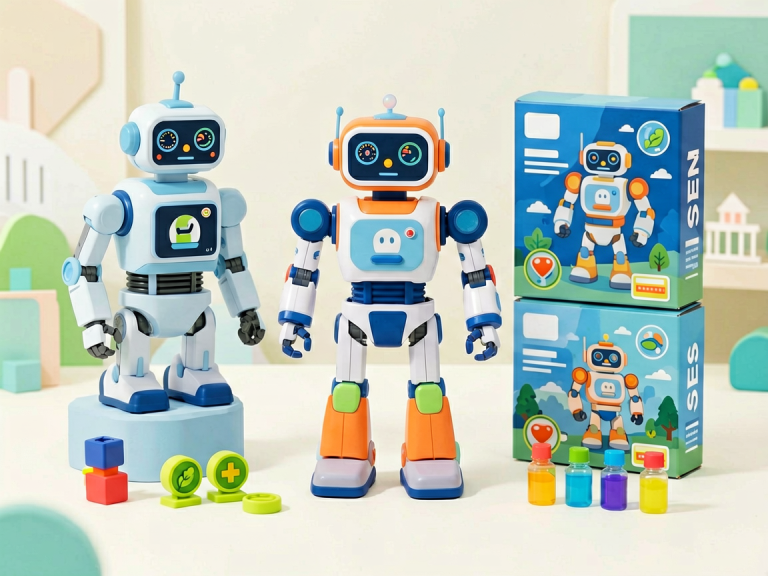
Look for kits that have multiple experiments or levels. A basic magnetism set, a crystal-growing kit, or a simple microscope can captivate a wide age range. The older sibling can read instructions, while the younger observes and asks questions. Be sure the kit’s components are safe for the youngest.
Musical Instruments
A xylophone, a set of hand drums, or a shaker egg allows siblings to make music together. Music stimulates brain development and coordination, and playing in a “band” creates a joyful shared experience. For older siblings, an inexpensive keyboard or ukulele can be a solo project that inspires the younger one.
Language and Literacy Toys
Alphabet puzzles, phonics games, and storytelling cards are great for siblings to use together. The older one can “read” to the younger, or both can invent a story using picture cards. This not only builds literacy skills but also creates a bonding ritual.
—
Practical Considerations: Budget, Storage, and Durability
Even the most well-chosen toy is useless if it breaks after a week or if the playroom is a chaotic mess. Siblings are notoriously hard on toys—they are pulled, dropped, stepped on, and sometimes used as projectiles. Durability is paramount.
Material Quality
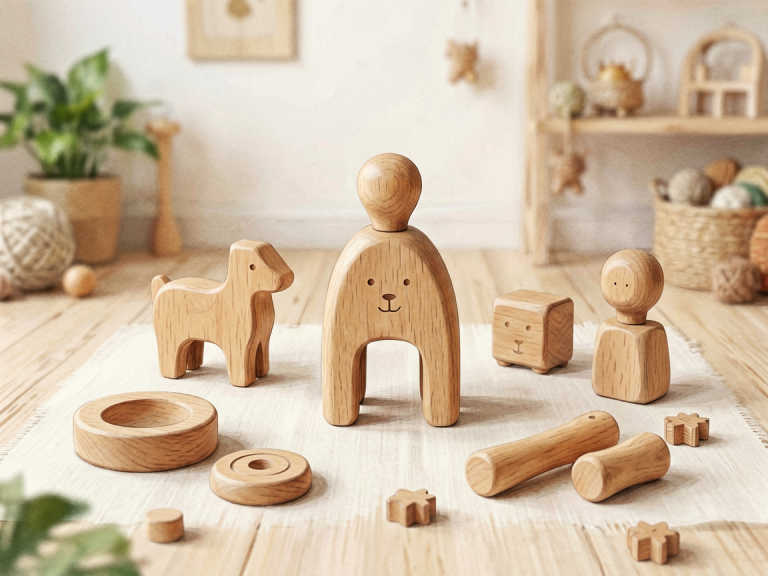
Wooden toys (if they are not splinter-prone) often last longer than cheap plastic. Check seams on stuffed animals, hinges on dollhouses, and wheels on vehicles. Read reviews from other parents of multiple children. If possible, buy from brands known for lifetime guarantees.
Storage Solutions
Toys that come with their own storage (like a bin or a bag) help siblings learn responsibility and reduce fights over clean-up. Consider open shelving where each child has a labeled cubby. This also helps separate individual toys from shared ones, making it clear whose is whose.
Budgeting for Longevity
It is tempting to buy cheap toys, but replacing broken items can be more expensive in the long run. Instead, invest in a few high-quality, open-ended toys that can be used for years. For example, a set of modular building blocks can be added to over time. Also, remember that siblings can share toys, so you may not need to buy two of everything—just enough to avoid conflict.
—
Involving Siblings in the Selection Process: Building Ownership and Compromise
Children are more likely to appreciate and care for toys if they have a voice in the decision. However, giving siblings a completely free choice can lead to impossible demands. A structured approach works best.
The Family Toy Meeting
Set aside time to discuss upcoming toy purchases together. Let each sibling share one or two ideas. Then use a system like voting or a “priority list.” This teaches democratic decision-making. For example, “We have $50 to spend on a shared toy. Sarah wants a dollhouse, and Tom wants a train set. Let’s talk about which one we could play with together more often.” Often, kids themselves come up with creative compromises.
Catalogue Browsing Together
Sit with a toy catalogue or browse an online store together. Ask open-ended questions: “What do you think your brother would like about this? Would you both use this?” This builds empathy and helps children see toys from each other’s perspective.
Gift-Giving as a Shared Activity
When a birthday or holiday approaches, encourage siblings to help choose a present for each other. This transforms the process into an act of love. An older sibling might pick out a toy that the younger one has been eyeing, and the feeling of generosity strengthens their bond.
—
Conclusion: The Gift of Shared Memories
Choosing toys for siblings is ultimately about more than amusement—it is about crafting an environment where children learn to share, negotiate, and celebrate each other. The perfect toy is not necessarily the most expensive, the trendiest, or the most educational; it is the one that brings siblings together, sparks their imagination, and survives the inevitable tug-of-war. By considering age gaps, safety, cooperative play, individual needs, educational value, and practical logistics, you can transform the simple act of buying a toy into an investment in sibling harmony. The laughter they share over a game, the hushed whispers as they build a fort, and the excitement of a jointly constructed masterpiece are gifts that no screen or single-player gadget can replace. In the end, the best toy is one that, years later, the siblings remember not as an object, but as a backdrop to their childhood adventures together.