The Silent Danger: Understanding and Preventing Toy Choking Hazards for 2-Year-Olds
Introduction
Every parent knows the joy of watching a two-year-old explore the world. At this age, children are curious, energetic, and eager to put everything in their mouths—a natural stage of development known as oral exploration. Yet this innocent behavior can turn deadly in seconds if a small toy part becomes lodged in a child’s airway. Choking remains one of the leading causes of injury and death among children under three, and toys marketed for toddlers are not always safe. In fact, many toys designed for older children, or even those labeled for ages 3+, pose a grave risk to the narrower airways and less developed swallowing reflexes of two-year-olds. This article delves into the specific hazards, the mechanisms of choking, regulatory standards, and most importantly, actionable steps parents and caregivers can take to protect their little ones.
1. Why Two-Year-Olds Are Especially Vulnerable
To understand why choking hazards are so acute for two-year-olds, it helps to examine both their anatomy and behavior.
1.1 Anatomical Limitations
A two-year-old’s trachea (windpipe) is only about the diameter of a drinking straw—roughly 4 to 6 millimeters. In comparison, an adult’s trachea is about 20 millimeters wide. Even a small toy bead, a button battery, or a piece of plastic can completely obstruct the airway, blocking oxygen from reaching the lungs. Furthermore, children under three have not yet fully developed the cough reflex or the ability to forcefully expel objects. Their epiglottis (the flap that covers the windpipe during swallowing) is softer and less coordinated, making aspiration of small objects more likely.
1.2 Behavioral Patterns
At age two, children are mobile, curious, and lack impulse control. They pick up objects from the floor, chew on toys, and often run or play while holding items in their mouths. The combination of mouthing, shallow breathing during excitement, and sudden movements (like a laugh or a fall) can easily cause a toy part to slip into the throat. Moreover, two-year-olds are still learning to chew and swallow solid foods; their oral manipulation skills are not yet refined enough to handle many non-food objects.
2. Common Toy-Related Choking Hazards
Not all toys are created equal. Some seemingly harmless items can become lethal when introduced to a two-year-old’s environment.
2.1 Small Parts and Detachable Components
The most obvious danger comes from toys that contain small parts. This includes dolls with removable shoes, plastic eyes, buttons, or beads. Construction sets, such as building blocks with small connectors, are also problematic. The U.S. Consumer Product Safety Commission (CPSC) defines a “small part” as any object that fits entirely into a small-parts cylinder (roughly the size of a 2-year-old’s throat). Items like marbles, jacks, and coins are classic offenders. But even toys labeled for ages 3+ can dislodge pieces after normal wear—a loose wheel from a toy car or a broken rattle seam.
2.2 Batteries: A Double Threat
Button batteries (lithium coin cells) are particularly dangerous. These tiny, shiny discs are found in remote controls, musical greeting cards, key fobs, and small electronic toys. If a two-year-old swallows one, the battery can lodge in the esophagus and cause a chemical burn within two hours, leading to severe internal injury or death. The combination of choking risk and caustic damage makes button batteries a unique emergency. Every year, thousands of children in the U.S. alone are treated for battery ingestions.
2.3 Latex Balloons
Balloons are often overlooked as choking hazards, yet they are one of the leading causes of suffocation death in children. When a child chews on an uninflated balloon or tries to blow up a latex balloon, it can be sucked into the airway and form a tight seal. Even a popped balloon fragment can obstruct breathing. The CPSC reports that more children have died from balloon-related choking than from any other toy. For two-year-olds, balloons should be considered off-limits.
2.4 Toys with Strings, Ribbons, or Elastic Cords
While not a choking hazard per se, toys with long strings (longer than 12 inches) pose a strangulation risk. However, tangled strings can also be chewed and broken into small pieces that become choking hazards. Elastic cords that snap can send small plastic or metal ends flying toward a child’s mouth. Always avoid toys with cords around a toddler’s neck or bed.
3. Regulatory Standards and Their Limitations
Governments around the world have established safety regulations to reduce toy choking hazards, but gaps remain.
3.1 The Small Parts Regulation (U.S. and EU)
In the United States, the CPSC mandates that toys intended for children under three must not contain small parts. This is tested using a small-parts cylinder. However, the regulation applies only to toys *marketed* for this age group. A puzzle intended for ages 3+ can still end up in the hands of a two-year-old through older siblings or second-hand purchases. In the European Union, the EN 71 standard includes similar small-part testing. Yet both standards rely on the assumption that children will use toys as intended—which is rarely the case in reality.
3.2 Age Labeling: A False Sense of Security
The age recommendation on a toy box is based on developmental abilities, not necessarily safety. Many parents mistakenly believe that “ages 3+” means the toy is physically safe for a two-year-old. In truth, a toy with small parts labeled for ages 3+ is dangerous for a younger child. Moreover, some toys marketed for ages 2+ still contain components that can break off after use. Vigilance is more important than the label.
3.3 The Problem with Second-Hand and Vintage Toys
Hand-me-down toys often lack safety testing. Vintage toys may contain small parts that were considered acceptable decades ago—such as painted beads or glued-on eyes—but are now known to be choking hazards. Additionally, older toys may have deteriorated plastic that shatters into sharp fragments. Parents should inspect all second-hand toys carefully and discard any that show signs of wear.
4. How to Perform a Choking Hazard Assessment at Home
Rather than relying solely on labels, parents can take proactive steps to evaluate toys.
4.1 The Toilet Paper Roll Test
A simple and widely recommended method is the “toilet paper roll test.” If an object or toy part can pass through the opening of a standard toilet paper roll (about 4.5 cm / 1.75 inches in diameter), it is a choking hazard for a two-year-old. This includes items like bottle caps, small cubes, marbles, and pen caps. Use this test on every new toy and on any part that might break off.
4.2 Regular Inspections and Maintenance
Check toys weekly for loose screws, cracked plastic, or frayed fabric. Throw away any toy that shows signs of damage. Batteries should be secured with a screwdriver-accessible door; if a battery compartment is easy for a toddler to open, fix it with tape or discard the toy. Also, avoid toys that make loud noises—they may encourage a child to put the toy in the mouth in an attempt to mimic the sound.
4.3 Know Which Toys Are Safest
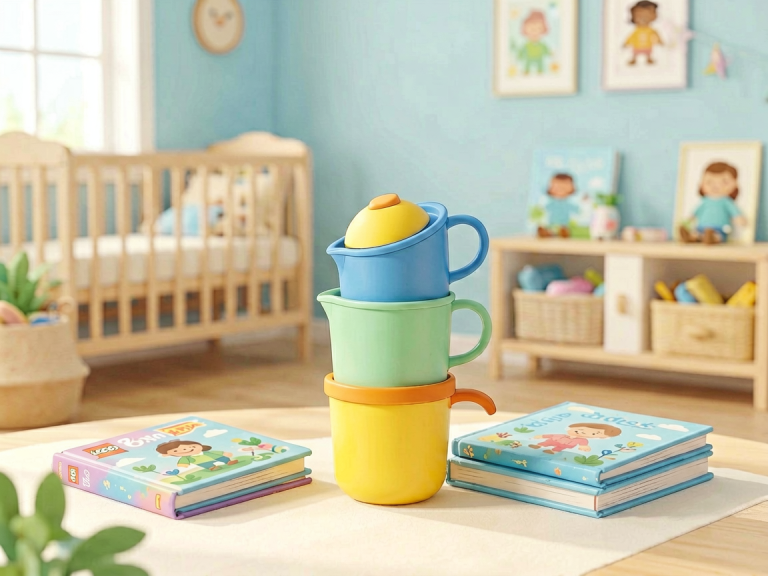
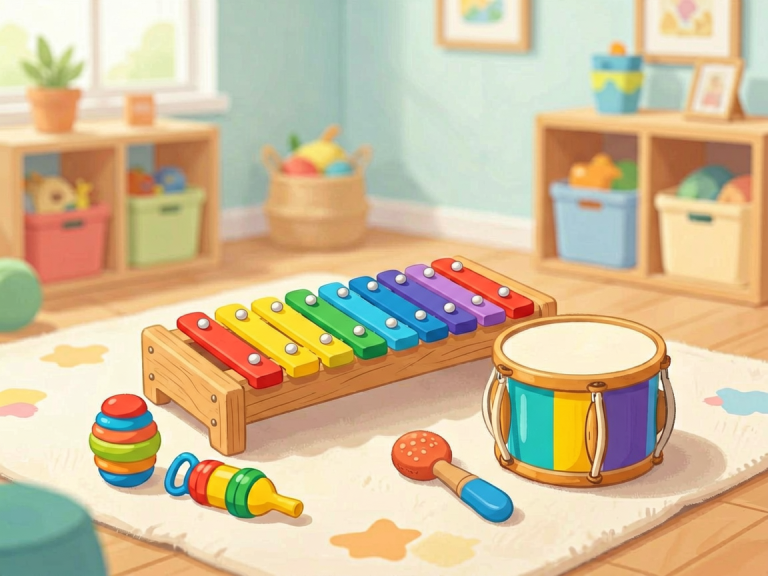
For two-year-olds, the best toys are large, lightweight, and made from a single piece of material. Soft fabric blocks, board books, push toys with large wheels, and simple musical instruments (e.g., drums with no small parts) are excellent choices. Avoid any toy that can be disassembled. Wooden toys are generally safe if they are solid and have no paint chips.
5. Emergency Preparedness: What Every Caregiver Should Know
Despite all precautions, choking can still occur. Being prepared can save a life.
5.1 Recognizing the Signs of Choking
A child who is choking may be unable to cry, cough, or breathe. They might make high-pitched wheezing sounds, turn blue (cyanosis) or lose consciousness. If the child is still able to cough or speak, encourage them to keep coughing—do not interfere. If the child becomes silent and non-responsive, call emergency services immediately.
5.2 Back Blows and Chest Thrusts for Infants and Toddlers
For a two-year-old, the American Red Cross recommends a first-aid technique that differs from adults. Hold the child face-down on your forearm with their head lower than their chest. Deliver five back blows between the shoulder blades with the heel of your hand. Then, turn the child face-up and give five chest thrusts (similar to CPR compressions but slower and deeper). Alternate until the object is dislodged or help arrives. Never perform a blind finger sweep; you may push the object deeper. Parents should take a certified pediatric first-aid course to practice these techniques.
5.3 The Role of Supervision
No amount of toy testing can replace active supervision. A caregiver should always be within arm’s reach when a two-year-old is playing, especially with new toys. Distractions, such as using a smartphone or watching television, can delay response time in a crisis. Create a play area free of small objects like coins, pen caps, and craft supplies.
6. The Broader Picture: Community and Industry Responsibility
Preventing choking hazards is not solely the duty of parents. Toy manufacturers must continue to improve design, and regulators must close loopholes.
6.1 Stronger Warnings and Public Education
Many parents are unaware that button batteries are poisonous or that balloons can suffocate. Public health campaigns, like the “Small Parts – Big Danger” initiative, have helped, but more is needed. Pediatricians should routinely discuss choking hazards during well-child visits. Daycare centers and preschools should enforce strict toy policies.
6.2 Innovation in Toy Safety
Researchers are developing safer alternatives: water-activated tape for batteries, non-toxic foams that break apart harmlessly, and integrated designs that eliminate detachable parts. Consumers can support companies that prioritize safety testing and avoid those that prioritize cost-cutting.
6.3 The Importance of Immediate Reporting
Anyone who encounters a dangerous toy should report it to the CPSC (in the U.S.) or the relevant national authority. This can lead to product recalls that protect countless other children. Websites like saferproducts.gov list recent recalls and allow users to submit complaints.
Conclusion
The world of a two-year-old is filled with discovery—and hidden dangers. Toy choking hazards are preventable, but only when adults understand the unique vulnerabilities of this age group, the limitations of regulations, and the need for constant vigilance. By adopting a habit of inspecting toys, using the toilet paper roll test, supervising play actively, and learning emergency first aid, caregivers can dramatically reduce the risk. Every small step—from removing that stray marble on the floor to checking a toy car’s wheel—could be the one that saves a life. Remember: for a two-year-old, the safest toy is not the most colorful or the most complex, but the one that cannot be swallowed. Let us all commit to creating a play environment where curiosity can flourish without fear.