The Ultimate Guide to Premium Toy Brands Worth Investing In
Introduction
In an era of mass-produced plastic playthings that often break within weeks, a quiet revolution is taking place in toy aisles and curated children’s boutiques. Premium toy brands have carved out a distinct niche for themselves, offering not just play value but craftsmanship, design longevity, educational depth, and often a touch of nostalgia. For parents, grandparents, collectors, and even investors, understanding which premium toy brands are truly worth buying can mean the difference between a disposable trend and a cherished heirloom. This guide dives deep into the world of high-quality toys, examining brands that have earned their reputation through meticulous materials, innovative engineering, timeless aesthetics, and a commitment to child development. Whether you are looking for the perfect birthday gift, a collectible piece, or a sustainable alternative to mainstream plastic, these brands deliver exceptional value that far exceeds their price tags. Let’s explore the best premium toy brands that every discerning buyer should consider.
Section 1: The Pinnacle of Constructive Play – LEGO (and Its Designer Cousins)
No discussion of premium toys is complete without LEGO, but what many do not realize is that the LEGO Group has deliberately moved beyond basic bricks into a stratosphere of artistry and collectibility. The LEGO Creator Expert series, now branded as LEGO Icons, features sets like the Titanic, the Eiffel Tower, and the majestic typewriter, each comprising thousands of pieces that demand patience and reward builders with museum-quality models. For adults, the LEGO Botanical Collection (such as the Orchid or the Bonsai Tree) brings nature indoors using over a thousand tiny plant-shaped elements, blurring the line between toy and décor.
What makes LEGO a truly premium brand worth buying is its uncompromising quality control. Each brick is manufactured to a tolerance of under 10 microns, ensuring that pieces snap together with a satisfying click and remain connected even during vigorous play decades later. LEGO’s commitment to sustainability is also noteworthy – by 2030, they aim to use plant-based plastics for all core elements. For collectors, the limited-edition sets (like the Star Wars UCS Millennium Falcon or the iconic Modular Buildings series) often appreciate in value, making them a tangible investment. While the price per set can be steep (the UCS Millennium Falcon retails for around $800), the build experience, display factor, and resale potential justify the premium. If you want one toy brand that offers both childlike wonder and adult sophistication, LEGO remains the gold standard.
Section 2: Heirloom Quality – The World of Wooden Toys (Grimm’s, PlanToys, and Brio)
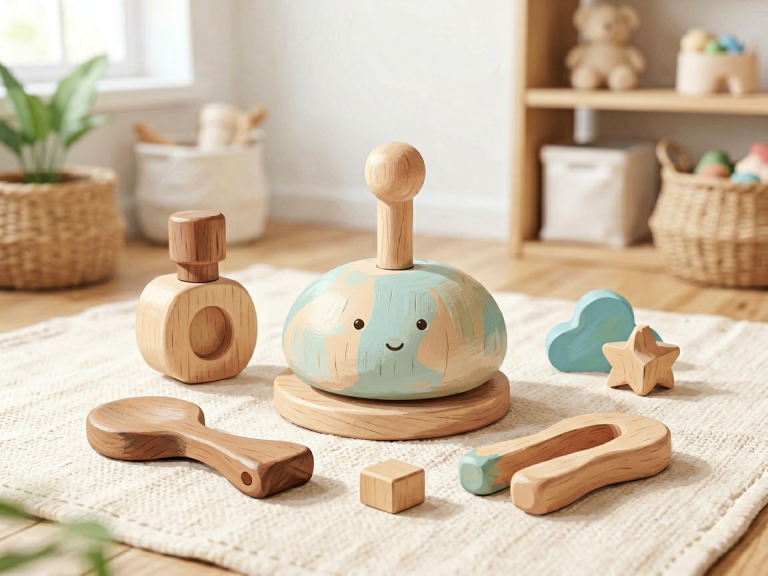
Wooden toys have long been associated with premium play, and today’s top brands elevate this tradition with an eco-conscious twist. Grimm’s, a German family-run company based in the Swabian Alps, is celebrated for its rainbow stackers, building boards, and geometric puzzles dyed with non-toxic, water-based stains. Each piece reveals the natural grain of the wood, making every set unique. Grimm’s toys are not just beautiful – they encourage open-ended play, where a simple wooden arch can become a bridge, a tunnel, a cradle, or a rainbow. The company’s dedication to sustainability is exemplary: they use wood from sustainably managed forests in Europe, and their production is carbon-neutral. While a single Grimm’s Large Rainbow stacker can cost $100–$150, it is built to survive generations. Many families report handing down Grimm’s pieces to their grandchildren, with the colors still vibrant and the wood as sturdy as ever.
PlanToys, based in Thailand, takes a different but equally admirable approach. They use reclaimed rubberwood trees from latex production, which would otherwise be burned. Their toys are dyed with organic pigments and designed with developmental milestones in mind. The PlanToys Kitchen Set, for instance, features rounded edges, ergonomic handles, and realistic accessories that spark imaginative role-play. Their Melissa & Doug-style but higher-quality competitors have set a benchmark for wooden toys that are both safe and stimulating. Brio, the Swedish company famous for its wooden train sets, completes this trio. Brio trains have been around since 1958, and the magnetic couplings, precision-machined tracks, and classic locomotive designs are compatible with decades-old sets. A Brio starter set may cost $80, but the modular nature means you can expand it indefinitely. For families who value durability, aesthetics, and environmental ethics, these wooden brands are absolutely worth every penny.
Section 3: Softness That Lasts – Premium Plush and Dolls (Steiff, Jellycat, and Käthe Kruse)
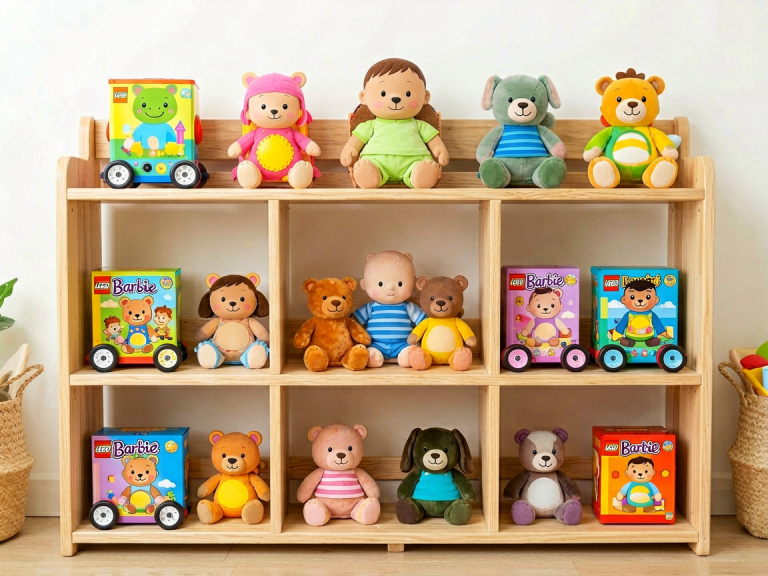
The plush toy section is often filled with fluffy but forgettable companions. Premium brands, however, treat soft toys as sculptures. Steiff, founded in 1880 in Germany, is synonymous with luxury teddy bears. Steiff bears are handcrafted from the finest alpaca, mohair, or cashmere, and each bear comes with the iconic “button in ear” marking authenticity. The artists at Steiff ensure that every seam is reinforced, every joint is movable, and every expression is lifelike. Collectors pay thousands of dollars for vintage Steiff bears, but even a new Steiff “Teddy Bear” from the Classic range (around $200–$500) will maintain its shape and charm for a lifetime. The brand also produces limited editions tied to cherubs, movie characters, and historical events, making them ultra-valuable over time.
Jellycat, a British brand founded in 1999, offers a more contemporary take on luxury plush. Their Bashful Bunny has become a cult icon, with ultra-soft “squeaky” fabric, weighted beans for perfect cuddle balance, and a mischievous expression. Jellycat’s appeal lies in its quirky designs – think amuseable sun with a smile, or bashful dragon with floppy wings. Prices range from $25 for smaller sizes to $100+ for large, but the fabric stays plush even after multiple washes. Jellycat has mastered the art of emotional design, creating companions that children (and adults) form deep attachments to. Then there is Käthe Kruse, another German heritage brand that dates back to 1905. Their dolls are made of high-quality muslin and feature hand-painted faces, rooted hair, and weighted bodies that feel remarkably natural. A Käthe Kruse doll can cost $300–$800, but it is designed to be a lifelong friend. The philosophy behind these brands is simple: a premium plush toy is not a throwaway item but a relationship. For those seeking softness that survives countless hugs, these are the brands worth buying.
Section 4: Engineering Marvels – Tech-Infused and STEM Premium Toys (Sphero, Anki Overdrive, and Thames & Kosmos)
The integration of technology into play has opened doors for premium brands that combine engineering with entertainment. Sphero, known for its robotic balls, offers the Sphero Bolt – a programmable robotic sphere that can roll at high speeds, flash LED colors, and be coded via a smartphone app. Unlike cheap remote-control cars, Sphero’s sensors and durable polycarbonate shell make it ideal for learning coding, physics, and problem-solving. It is waterproof, scratch-resistant, and charges wirelessly. The premium price (around $150) is justified by the educational value and the endless possibilities for creating games. Similarly, Anki Overdrive, though discontinued, remains a collector’s item – a robotic car racing system where cars learn from each other and can be programmed to battle. Used sets still command high prices because of the sophisticated technology and modular track.
For STEM-focused families, Thames & Kosmos produces science kits that are far superior to the typical plastic-lab-in-a-box. Their Chemistry C500, Physics Workshop, and Robotics: Smart Machines kits come with high-quality components (real glass beakers, brass gears, sturdy motors) and detailed instruction manuals that teach actual principles. A single kit can cost $70–$150, but the longevity of learning is immense. Children can repeat experiments, modify designs, and gain confidence in scientific thinking. Compared to cheaper kits that break or provide shallow explanations, Thames & Kosmos delivers a premium experience that often sparks lifelong interests. These tech-infused brands are worth buying for parents who want toys that grow with their children and teach tangible skills.
Section 5: The Luxury Collectors’ Corner – Artist Collaborations and Limited Editions (Museum of Modern Art Design Store, Kidrobot, and Steiff x Artists)
Finally, for adults who treat toys as art, certain brands collaborate with contemporary artists to produce limited-edition pieces that blur the boundaries between toy and sculpture. The MoMA Design Store curates items like the legendary Kapla planks, the Neil A. Armstrong “Moon Walk” orbiter, and the Vitra Miniatures collection of iconic furniture. While not strictly toys, these items celebrate design history and make excellent display pieces. The Kidrobot brand, famous for its Dunny and Munny blank figures, has partnered with artists like KAWS and Takashi Murakami, creating vinyl collectibles that often appreciate in value. A KAWS Companion doll from 2002 can now fetch over $1 million at auction, but even limited-run Dunny series (around $50–$100) hold or increase in value due to their scarcity and artistry.
Another noteworthy corner is Steiff’s artist collaborations, where they produce bears dressed in the style of famous painters or adorned with Swarovski crystals. These are not for children – they are investment pieces, often housed in glass cases. For the discerning buyer, the joy comes from owning a piece of pop-culture history that is also a meticulously crafted object. Whether you are a seasoned collector or a curious newcomer, engaging with these artist collaborations offers intellectual stimulation and aesthetic pleasure, proving that the best premium toys are really functional sculptures.
Conclusion
The premium toy landscape is vast and varied, but the common thread among the brands worth buying is an unwavering dedication to quality, safety, and the magic of play. From the snap of a LEGO brick to the grain of a Grimm’s rainbow, from the softness of a Jellycat bunny to the engineering prowess of a Sphero, these toys are designed to last – not just physically, but in the memories and skills they create. When you invest in a premium toy, you are not just buying an object; you are investing in childhood development, educational growth, and often a collectible asset. The higher upfront cost is offset by durability, timeless design, and the joy that comes from owning something truly exceptional. So next time you are searching for a gift or a treat for yourself, look beyond the discount aisle. Choose a brand that takes pride in its craft, and you will discover that the best toys are not just played with – they are cherished.