Beyond Water Beads: Creative Screen-Free Alternatives for Sensory Play and Learning
Introduction
Water beads have become a popular sensory play material in homes, classrooms, and therapy centers. Their squishy, translucent, and colorful appearance captivates children and adults alike, offering a calming tactile experience. However, growing concerns about safety—particularly the risk of choking and intestinal blockage if ingested—have led many parents and educators to seek safer alternatives. At the same time, the world is grappling with the pervasive influence of screens, and parents are increasingly looking for hands-on, screen-free activities that engage children’s senses without exposing them to digital devices. This article explores a variety of screen-free alternatives to water beads that provide rich sensory input, encourage creativity, and support developmental growth—all while keeping safety and environmental responsibility in mind.
—
Why Move Away from Water Beads?
Before diving into alternatives, it is worth understanding why water beads might not be the best choice. Water beads are made from superabsorbent polymers, often sodium polyacrylate, which can swell to hundreds of times their dry size when soaked. While non-toxic, they pose a serious choking hazard for young children, who may mistake them for candy. Thousands of emergency room visits each year involve children who have swallowed water beads, leading to intestinal blockages that sometimes require surgery. Additionally, water beads are not biodegradable. They can clog drains and, if washed into waterways, contribute to microplastic pollution. For environmentally conscious families, these drawbacks are significant. Moreover, water beads offer limited open-ended play potential; once they are fully hydrated, they provide a narrow range of tactile sensations and quickly lose their novelty. Screen-free alternatives, by contrast, can be reused, adapted, and combined in countless ways, fostering deeper engagement and learning.
—
Nature-Based Sensory Alternatives
One of the richest sources of screen-free sensory play is the natural world. Materials like clean sand, uncooked rice, dried beans, lentils, and birdseed offer similar tactile feedback to water beads but without the safety or environmental risks. For instance, a simple sensory bin filled with dry rice can provide hours of scooping, pouring, and sorting. Adding natural elements such as pinecones, smooth stones, acorns, or seashells introduces varied textures, weights, and shapes. Children can practice fine motor skills by using tongs to transfer items or by burying and discovering small treasures.
Another excellent alternative is kinetic sand, which holds its shape and feels remarkably like wet sand. It is non-toxic, stain-resistant, and easy to clean. Unlike water beads, kinetic sand does not swell or pose a choking hazard (though supervision is still needed for very young children). For a more fragrant experience, consider sensory play with natural clay or homemade play dough scented with essential oils like lavender or peppermint. These materials engage multiple senses simultaneously—touch, smell, and even sight—and can be shaped, rolled, and sculpted to stimulate creativity.
For families who prefer mess-free options, consider “calm-down jars” made with clear glue, water, and glitter. While not identical to water beads, they offer a similar visual and hypnotic effect when shaken. Parents can involve children in making the jar, which itself becomes a rewarding screen-free activity.
—
DIY Sensory Bins and Kits
Creating a sensory bin from scratch is one of the most versatile and cost-effective ways to replace water beads. Start with a large, shallow plastic container or a wooden tray. Fill it with a base material such as dry oats, cornmeal, popcorn kernels, or shredded paper. Each base offers a different auditory and tactile experience: oats rustle softly, cornmeal feels powdery, popcorn kernels are smooth and hard, and shredded paper crinkles. Then add scoops, cups, funnels, tweezers, and small toys like plastic animals, letters, or figurines. The goal is to encourage children to explore, hypothesize, and experiment.
For a themed sensory kit, align materials with a child’s current interests. A “construction zone” bin could include small gravel (or black beans) as “dirt,” along with toy dump trucks and miniature cones. A “dinosaur dig” could use cooked and cooled spaghetti (dyed green) as “vines” and buried plastic dinosaurs. These setups are screen-free by nature—they invite hands-on exploration rather than passive consumption. They also promote language development as children describe what they feel and see.
One highly effective alternative to water beads is “tapioca pearl” play. Cooked tapioca pearls (the kind used in bubble tea) share a similar bouncy, slippery texture to water beads but are made from food-grade cassava starch. They are biodegradable and, while still a choking hazard for very young children, are less dangerous than synthetic polymers because they soften when chewed and are digestible. However, adults must supervise closely and ensure children do not put them in their mouths. A safer variation is using chia seed gel—mix chia seeds with water to form a translucent, gel-like substance that is entirely edible and nutritious.
—
Open-Ended Play with Loose Parts
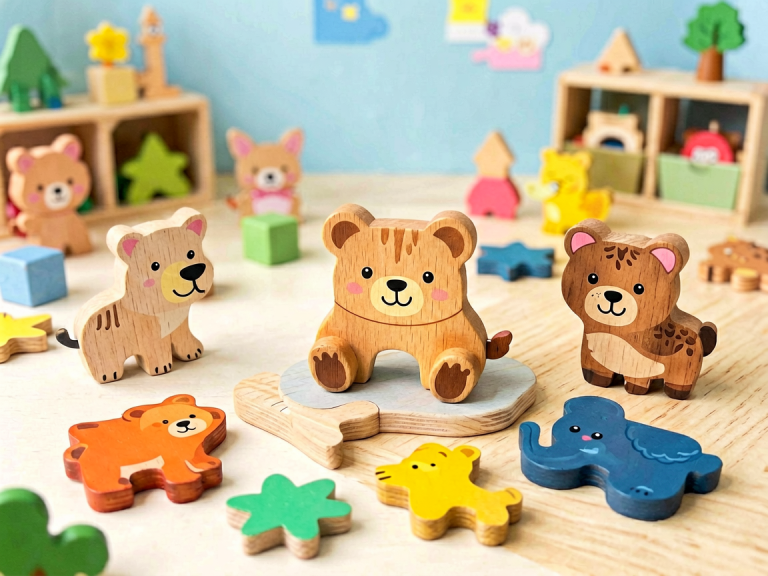
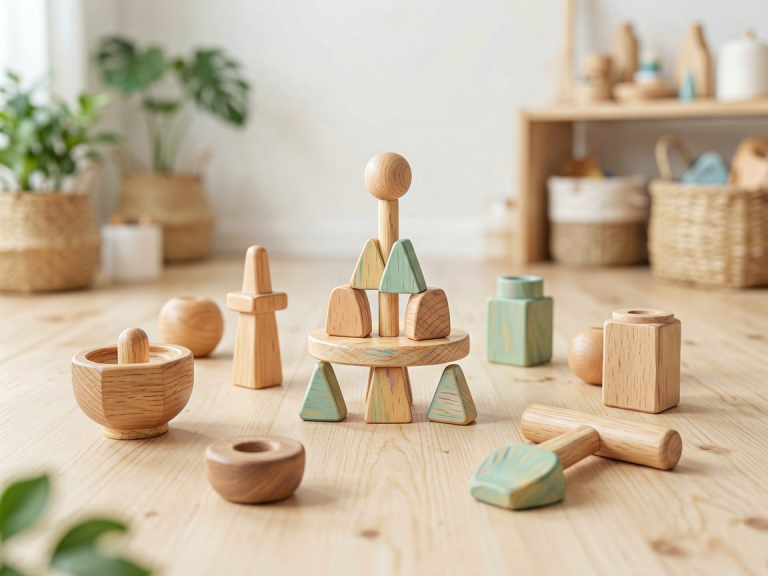
The concept of “loose parts” in early childhood education emphasizes that open-ended materials allow children to use them in endless, self-directed ways. Loose parts are perfect screen-free alternatives to water beads because they stimulate problem-solving, imagination, and fine motor skills. Examples include wooden blocks, corks, bottle caps, fabric scraps, wool pom-poms, buttons, and large beads (with diameters greater than 1.5 inches to prevent choking). Unlike water beads, these materials can be sorted by color, size, or texture, stacked into towers, strung into necklaces, or used in pretend play.
A particularly engaging loose-parts activity is creating a “sensory board” or “busy board” mounted on a wall or a piece of plywood. Attach latches, zippers, knobs, switches, and pieces of different fabrics. Children can manipulate these items without screens, developing dexterity and concentration. Another idea is to set up a “nature treasure box” with collected items like leaves, twigs, feathers, and smooth pebbles. Encourage children to sort them, compare them, and use them in art projects such as leaf rubbings or stone painting.
For older children (ages 5 and up), consider introducing magnetic tiles, LEGO bricks, or wooden marble runs. These building materials offer the same soothing, repetitive engagement as water beads but with a much broader range of cognitive challenges. Building a marble run, for example, requires planning, trial and error, and an understanding of gravity and cause-and-effect—all of which are superior to the simple squeezing and pouring of water beads.
—
Art and Craft Alternatives
Art activities are quintessentially screen-free and can replace the sensory appeal of water beads with vivid colors and varied mediums. Finger painting with homemade non-toxic paint (made from flour, water, and food coloring) provides a slippery, messy sensory experience akin to water beads but with more creative expression. Children can smear, mix, and create patterns—a process that strengthens hand muscles and encourages emotional regulation.
Another excellent alternative is “slime” or “putty” made from simple ingredients like cornstarch, dish soap, and glue. While some commercial slimes contain borax, parents can easily make borax-free versions using psyllium husk or gelatin. Slime offers the same stretchy, squishy feel as water beads, and because it is opaque and colorful, it is less likely to be mistaken for candy. Adding glitter, beads, or small foam shapes can further enhance sensory appeal.
Collage art using tissue paper, feathers, and textured fabric also engages touch and sight. Children can glue materials onto cardboard to create textured “sensory art.” For a taste-safe version (ideal for infants who mouth objects), offer cooked pasta, crushed crackers, and fruit puree for them to explore while supervised. These activities are not only screen-free but also encourage creativity and fine motor development far beyond what water beads can offer.
—
Outdoor Screen-Free Activities
Perhaps the most powerful alternative to water beads is simply taking play outside. Nature provides an infinite sensory playground: mud, grass, bark, sand, pebbles, and water. A mud kitchen, for example, lets children mix “potions” with dirt, water, leaves, and flowers. This type of play offers tactile input similar to water beads but with richer learning opportunities—children observe changes in texture, practice pouring and measuring, and engage in imaginative role-play.
Water play itself can be a fantastic substitute. Instead of water beads, fill a shallow bin with water and add floating toys, sponges, and plastic cups. Freeze small toys inside ice cubes for an ice-melting excavation activity. Alternatively, use a spray bottle with water to chase after chalk drawings on pavement—a simple activity that combines movement, sensory feedback, and creativity. For a drier option, consider “nature weaving” by creating a simple loom from a cardboard frame and threading with grasses, twigs, and flower stems.
Gardening is another screen-free alternative that promotes patience, responsibility, and sensory awareness. Digging in soil, planting seeds, and watering plants provide tactile experiences that are grounding and calming. Children can fill watering cans, feel the soil texture, and watch plants grow—lessons that no water bead can teach.
—
Conclusion
Water beads may have once seemed like an ideal sensory toy, but their risks and limitations have paved the way for a wider, more inventive array of screen-free alternatives. From natural materials like rice and sand to DIY sensory bins, loose parts, art projects, and outdoor play, parents and educators have countless options that are safer, more sustainable, and more developmentally beneficial. These alternatives not only protect children from potential harm but also promote creativity, problem-solving, and a deeper connection to the real world. In an age dominated by screens, choosing tactile, open-ended play is a powerful gift—one that builds resilience, curiosity, and joy. So next time you reach for a bag of water beads, consider the many richer experiences waiting just beyond the screen.
Start with the complete guide: The Best Alternatives to Water Beads: Safe, Eco-Friendly, and Creative Substitutes for Every Use.