The Ultimate Guide to Avoiding Toys That Break Easily: Smart Strategies for Durable Playthings
Every parent knows the sinking feeling: you unwrap a shiny new toy, hand it to your excited child, and within an hour—sometimes less—a wheel has snapped off, a plastic arm has cracked, or a battery cover has popped open, never to close properly again. Not only is this frustrating and wasteful, but it also teaches children that objects are disposable, and it drains your wallet. The good news is that with a little knowledge and deliberate shopping habits, you can dramatically reduce the number of broken toys in your home. This article will walk you through a comprehensive, step-by-step approach to identifying, selecting, and caring for toys that will stand up to real play.
Understanding Why Toys Break – Material and Design Flaws
Before you can avoid flimsy toys, you need to understand the common culprits behind their failure. Most toys break for one of three reasons: poor material quality, weak structural design, or inappropriate usage. Thin, brittle plastics—often recycled or low-grade—are the number one offender. They lack the flexibility to absorb impact and will shatter under pressure. Similarly, toys that rely on glue rather than screws, welding, or interlocking parts are prone to separating at the seams. Flimsy axles on vehicles, tiny connection points on action figures, and thin-walled battery compartments are classic failure points. Even well-made toys can fall apart if they are designed without considering how children actually play: for instance, a doll with a head that is too heavy for its neck joint will eventually snap. By recognizing these patterns, you can start to spot red flags before you buy.
Pre-Purchase Research: Brands, Reviews, and Certifications
The smartest shopping begins long before you enter a store. Start by identifying brands with a reputation for durability. While no company is perfect, manufacturers like LEGO, Melissa & Doug, Green Toys, and Fisher-Price have decades of engineering behind them, often using stronger materials and rigorous testing. However, brand alone is not enough—product lines within the same brand can vary wildly. Therefore, turn to honest user reviews. Look beyond the five-star ratings and read the one-, two-, and three-star reviews specifically for mentions of breaking, cracking, or poor durability. Pay attention to photos uploaded by customers showing broken parts. Also, check for industry certifications such as ASTM F963 (the standard consumer safety specification for toy safety in the U.S.) or the CE mark in Europe. While these are safety, not durability, standards, brands that invest in certification often invest in overall quality. Another underused resource is YouTube: search for "durability test" or "toy review [toy name]" to see real parents stress-testing the product.
Hands-On Inspection: What to Look for in the Store
Once you are in the store, resist the urge to grab the first shiny package. Instead, perform a quick physical inspection. First, feel the weight of the box. A toy that is surprisingly light for its size often indicates thin plastic or hollow construction. Next, if possible, examine the toy outside its packaging—many stores have sample units or you can gently press on the box to feel the sturdiness. Check for sharp edges or flash (excess plastic left from the molding process), which not only indicates poor manufacturing but also weak points that will crack first. Pay close attention to moving parts: rotate wheels, open and close doors, and articulate joints. They should move smoothly without excessive wobble. Listen for rattling loose parts inside. Inspect how parts are attached: are they screwed in? Are the screws recessed and covered? Glued parts are a red flag. Also, look at the thickness of plastic in high-stress areas like the base of a figure or the axle of a car. A quick rule of thumb: if you can bend a plastic piece easily with two fingers, it will likely break during play.
The Role of Age Appropriateness and Play Style
A toy that is perfectly durable for a three-year-old may be demolished by a six-year-old, not because the toy is poorly made, but because it is not designed for the intensity of older children's play. Always follow age recommendations—they are based on both safety and developmental expectations. However, age labels can be conservative or misleading. Consider your own child's play style: a gentle, careful child may be fine with delicate toys, while a rough-and-tumble kid needs nearly indestructible versions. For aggressive players, look for toys marketed as "tough," "heavy-duty," or "for active play." Avoid toys with many small, removable parts that can be easily lost or broken off. Also, think about the play scenario: a toy meant for indoor quiet time will not survive being thrown across the yard. Matching the toy to the environment is just as important as matching it to the child.
Maintenance and Care to Extend Toy Life
Even the sturdiest toy needs a little care. Teach children from an early age to handle toys gently and to put them away properly. Establish a "toy repair station" where broken items get fixed immediately rather than tossed aside. For battery-operated toys, remove batteries when not in use for long periods to prevent corrosive leaks that damage contacts. Clean toys regularly—dirt and sand can grind down moving parts. For plastic toys, avoid leaving them in direct sunlight for extended periods, as UV rays make plastic brittle. Store toys in bins or on shelves where they won't be stepped on or crushed. And finally, embrace the concept of "toy rotation": cycling toys in and out of storage not only keeps play fresh but also reduces wear on any single item.
Smart Shopping: Where to Buy and When to Invest
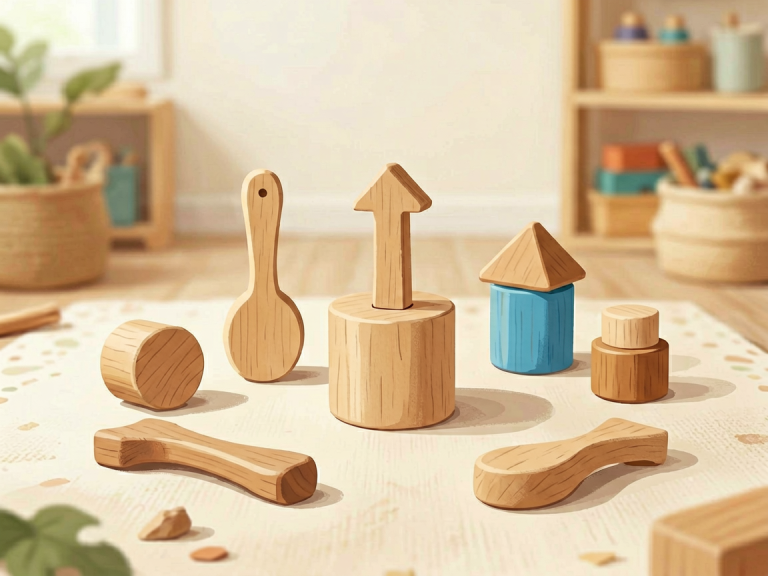
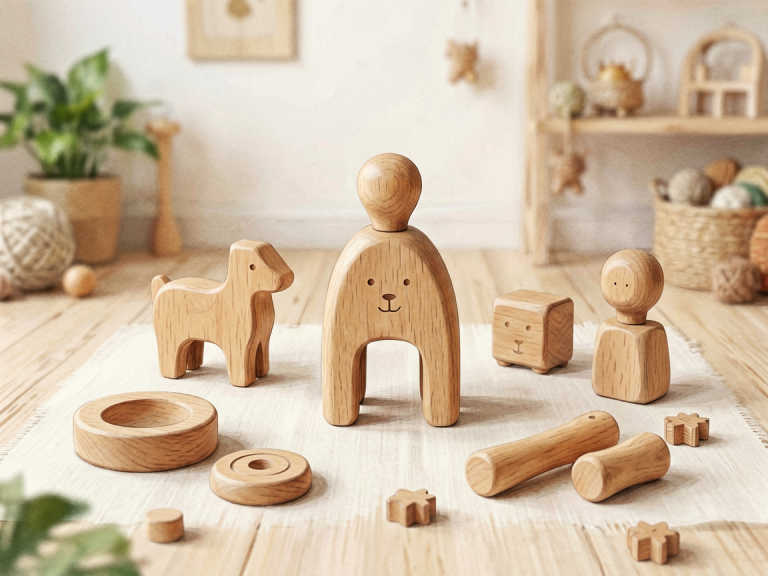
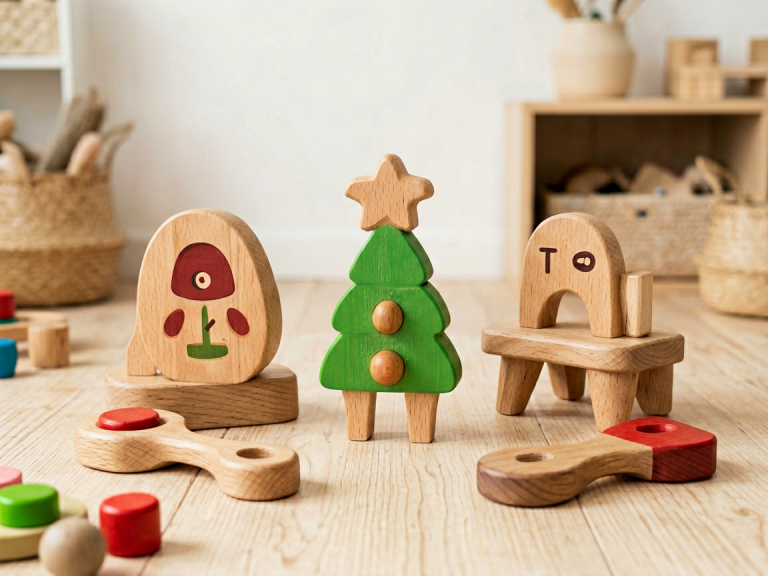
Not all retailers offer the same quality. Specialty toy stores and educational supply shops often carry more durable, smaller-batch products. Big-box stores and dollar stores, by contrast, tend to stock cheaper, lower-quality toys that prioritize price over longevity. Online marketplaces like Amazon can be tricky—beware of third-party sellers offering knockoffs or unbranded items. If a price seems too good to be true, it probably is. Consider investing in toys made from alternative materials: wood (especially solid hardwood like beech or maple), metal, or high-quality silicone. These may cost more upfront but last for years and can be passed down. When in doubt, buy fewer but better toys. A single well-made wooden train set will outlast a dozen cheap plastic ones, saving you money and reducing waste. Additionally, look for toys with replaceable parts or that are modular. LEGO, for example, allows you to buy individual bricks if one breaks. Some companies offer repair kits or replacement pieces—a sign that they stand behind their product.
Conclusion
Buying toys that don't break easily is not about being cheap or depriving your child of fun. It is about being intentional, thoughtful, and aware. By understanding why toys fail, doing your research, inspecting them yourself, matching them to the child's age and play style, maintaining them properly, and choosing quality over quantity, you can build a toy collection that lasts. Your child will learn to value their possessions, you will save money and frustration, and the planet will benefit from less plastic waste. Next time you reach for a toy, remember: a moment of careful selection today can prevent a pile of broken plastic tomorrow. Play should be joyful, not fragile.