The Ultimate Guide to Picking Birthday Toys: A Thoughtful Journey from Age to Interest
Introduction: Why the Right Toy Matters More Than You Think
Every birthday brings the same delightful dilemma: what toy should you give? Whether you are a parent, a grandparent, an aunt, or a family friend, choosing a birthday present for a child can feel like navigating a minefield of trends, safety standards, and fleeting interests. A poorly chosen toy ends up abandoned in a corner within days, while a thoughtful selection can spark creativity, encourage learning, and become a cherished memory. This guide is designed to help you make informed, joyful decisions when picking birthday toys. We will explore everything from age-appropriate choices and developmental benefits to safety considerations, budget-friendly options, and the subtle art of understanding a child’s unique personality. By the end, you will have a clear roadmap to turn your next birthday gift into a meaningful celebration of childhood.
1. Age Matters: Matching Toys to Developmental Stages
The first and most critical factor in picking a birthday toy is the child’s age. A toy that delights a three-year-old may frustrate or bore a seven-year-old. Manufacturers and child development experts have established broad guidelines, but understanding the *why* behind them helps you make smarter choices.
1.1 Infants and Toddlers (0–2 Years)
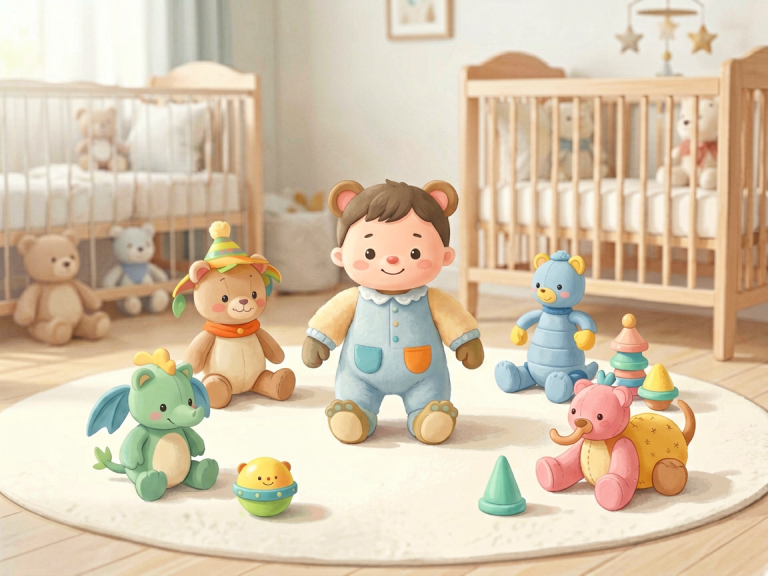
For the youngest celebrants, safety and sensory stimulation are paramount. Babies explore the world through their mouths, hands, and eyes. Look for toys that are free of small parts, sharp edges, and toxic materials. Soft blocks, rattles, teething rings, and textured balls encourage tactile exploration. As they approach their first birthday, cause-and-effect toys—like a simple shape sorter or a pop-up toy—build cognitive skills. Avoid anything with strings longer than 12 inches to prevent strangulation hazards. Remember, at this stage, the child’s reaction is pure joy in discovery, not performance.
1.2 Preschoolers (3–5 Years)
This is the golden age of imagination. Children are developing language, social skills, and fine motor control. Ideal toys include building blocks, simple puzzles, art supplies (washable markers, finger paints), dress-up costumes, and play kitchens or tool sets. Look for toys that encourage pretend play and cooperation. Board games with very simple rules (like Candy Land or Hi Ho! Cherry-O) teach turn-taking and patience. Avoid overly complex electronic toys that do all the work; instead, choose open-ended items that let the child lead the play.
1.3 Early School Age (6–8 Years)
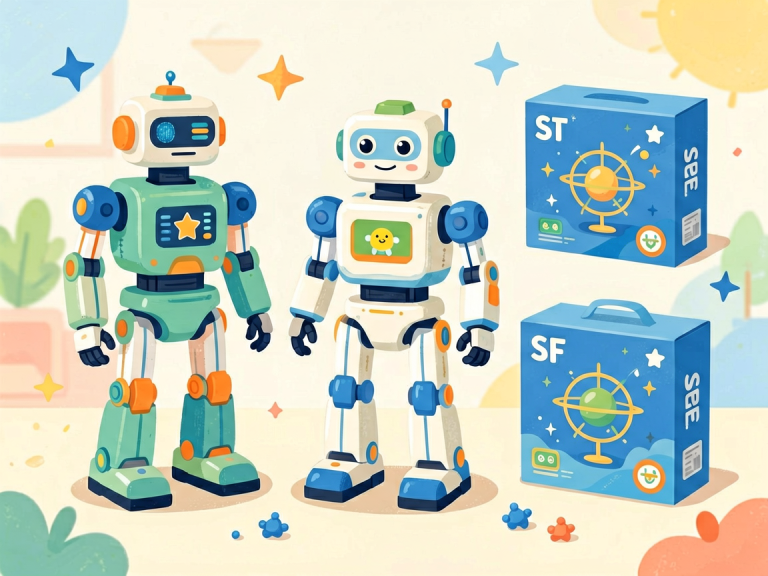
Now children are reading, doing basic math, and forming stronger friendships. They crave challenges and mastery. STEM kits (snap circuits, beginner robotics, chemistry sets), chapter books, craft kits (friendship bracelets, pottery), and more complex board games (like Sequence for Kids or Monopoly Junior) are excellent. Outdoor toys like bicycles with training wheels, scooters, or jump ropes promote physical activity. At this age, many children also develop passionate interests—dinosaurs, space, horses, or a particular video game franchise. Pay attention to these obsessions; a toy that aligns with a current passion will be loved deeply.
1.4 Tweens (9–12 Years)
Preteens are navigating independence, peer influence, and a growing sense of identity. They often reject “babyish” toys. Good options include advanced building sets (LEGO Technic, robotic arms), science experiment kits, art journals and professional-grade markers, musical instruments (ukulele, keyboard), and strategy board games (Catan, Ticket to Ride). Electronic gifts like a quality pair of headphones, a digital camera designed for kids, or a subscription to a coding platform can also be hits. Gift cards to their favorite store or online gaming platform give them autonomy—but pair it with a small physical item to make it feel personal.
2. Safety First: Non-Negotiable Checks Before You Buy
Even the most exciting toy loses its luster if it poses a risk. Always consider these safety pillars:
2.1 Material and Construction
Check for non-toxic paints, BPA-free plastics, and lead-free materials. For infants and toddlers, ensure parts are larger than the child’s fist to prevent choking. Look for the ASTM (American Society for Testing and Materials) or CE (Conformité Européenne) mark. Avoid toys with batteries that can be easily accessed, as button batteries are extremely dangerous if swallowed.
2.2 Age Labels and Warnings
Read the manufacturer’s age recommendations carefully. They are not arbitrary; they reflect developmental suitability and safety. A “3+” label means the toy may contain small parts and is not safe for younger siblings who might put them in mouths. Also watch for warnings about magnets, cords, or projectiles.
2.3 Durability and Cleanability
A toy that breaks easily creates sharp edges and frustration. Choose sturdy wood, high-quality plastic, or fabric that can withstand rough play. For babies and toddlers, toys should be easy to wipe clean or machine washable. Stuffed animals with loose eyes or buttons are a no-go for children under three.
3. The Psychology of Play: Interests, Skills, and Personality
A toy that matches a child’s natural inclinations will be used far more than one that fits a generic category. Here is how to read the signals:
3.1 The Builder vs. The Dreamer
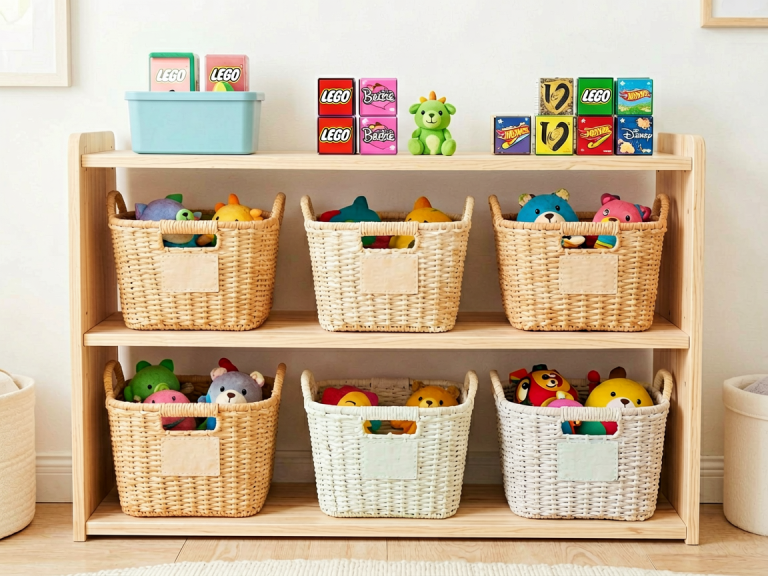
Some children love construction—LEGOs, blocks, marble runs, magnet tiles. They enjoy systematic problem-solving and physical assembly. Others are dreamers who prefer dolls, action figures, stuffed animals, and dramatic play scenarios. A builder might love a new engineering kit; a dreamer might delight in a beautifully illustrated storybook with character puppets.
3.2 The Active Explorer vs. The Quiet Contemplator
High-energy kids thrive on outdoor toys: trampolines, sports equipment (basketball hoop, soccer ball), scooters, or even a simple kite. Quiet, introspective children may prefer puzzles, drawing, reading, or a telescope for stargazing. Neither is better—just different. Observe how the child spends free time. Do they run to the playground or curl up with a book? Let that guide you.
3.3 The Social Butterfly vs. The Solo Player
Some children are happiest playing with others. Board games, cooperative games, and multi-player craft kits (like a giant coloring poster for two) are perfect. Others enjoy solitary, focused play. For them, consider a high-quality jigsaw puzzle, a solo coding game, or a personalized diary with lock and key. However, be mindful of extremes: a shy child might benefit from a game that gently encourages interaction, while a highly social child might appreciate a toy that also allows quiet reflection.
4. Educational Value: Learning Disguised as Fun
The best toys teach without lecturing. Look for items that build skills in these areas:
4.1 STEM and Logic
Science, technology, engineering, and math toys are incredibly popular because they make abstract concepts tangible. For younger kids, think magnetic tiles, simple circuit kits, or counting bears. For older kids, consider a crystal growing kit, a programmable robot (like Botley or Sphero), or a microscope. These toys foster critical thinking, patience, and curiosity.
4.2 Language and Literacy
Books remain the best language-building gift, but also consider storytelling dice, magnetic poetry sets, or a subscription to a monthly book club (like Mailbox Magic). For early readers, games that combine word recognition with fun (such as Zingo! or Bananagrams) are excellent.
4.3 Creativity and Expression
Art supplies, musical instruments, and dramatic play costumes stimulate the right brain. Rotating sets of markers, clay, craft foam, and a simple easel can keep a child creating for hours. A karaoke machine or a beginner keyboard can unleash musical talents. Do not underestimate the power of a simple set of playdough with cookie cutters—it strengthens hand muscles and imagination alike.
5. Budget and Sustainability: Smart Shopping Without Guilt
You do not need to spend a fortune to give a memorable gift. In fact, some of the most loved toys are inexpensive or second-hand.
5.1 Setting a Realistic Budget
Decide how much you want to spend before browsing. For close family, $30–$60 is a common range; for friends or classmates, $10–$20 works well. Remember that experiences also count: a ticket to a children’s museum, a zoo membership, or a craft supply kit can be just as exciting as a physical toy.
5.2 Quality Over Quantity
A single, well-made toy will outlast a pile of flimsy plastic trinkets. Wooden toys, while more expensive, often become heirlooms. Check online reviews and ask parenting groups for durability feedback. Buying used (from garage sales, Facebook Marketplace, or thrift stores) is environmentally friendly and budget-friendly—just clean thoroughly and check for safety.
5.3 Eco-Friendly and Ethical Options
More parents seek toys made from sustainable materials: bamboo, recycled plastic, organic cotton. Brands like PlanToys, Green Toys, and Tegu use responsibly sourced wood or recycled milk jugs. These toys often come in minimal packaging, reducing waste. Supporting these brands also sends a message about environmental stewardship.
6. The Final Checklist: How to Avoid Common Mistakes
Before you click “add to cart” or wrap the gift, run through this quick list:
- Does it match the child’s current interests? (Not what you think they *should* like.)
- Is it age-appropriate in both difficulty and safety? (No small parts for toddlers.)
- Will it require batteries? (If so, include them—nothing worse than a dead toy on birthday morning.)
- Does it encourage active play rather than passive consumption? (A dollhouse invites storytelling; a screen that merely plays videos does not.)
- Can it grow with the child? (LEGO sets with multiple builds, or art supplies that last years, offer long-term value.)
- Have you checked the return policy? (Just in case the child already owns it or it breaks prematurely.)
Conclusion: The Gift That Keeps on Giving
Picking a birthday toy is an act of love and understanding. It requires you to step into a child’s world—their age, their passions, their dreams—and select something that says, “I see you, I value you, and I want you to have fun.” Whether you choose a simple coloring book or an elaborate building set, the thoughtfulness behind the decision matters most. Follow this guide, trust your instincts, and remember that the best toys are those that spark joy, inspire creativity, and create moments of connection. Happy birthday shopping—and may your gift be the highlight of the celebration.