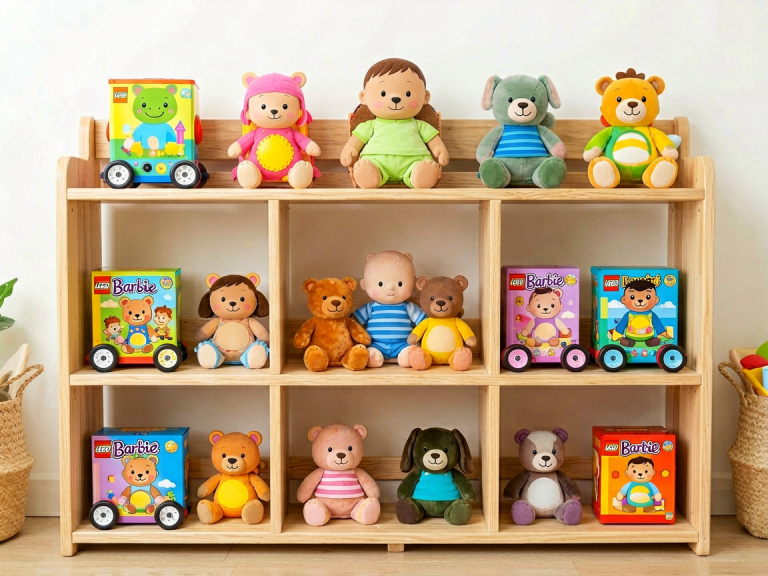
The Value of Building Sets: Are They Worth the Investment?
Building sets—whether they are LEGO bricks, metal construction kits, or wooden block systems—have been a staple of playrooms and hobby tables for generations. Yet, in an age dominated by digital entertainment, instant gratification, and budget-conscious spending, a pertinent question arises: are building sets worth the money and time they demand? For parents weighing a purchase, for adults contemplating a new hobby, and for educators seeking effective learning tools, this question deserves a thorough exploration. This article examines the multifaceted value of building sets, from their educational and psychological benefits to their economic and social aspects, ultimately offering a balanced perspective on whether they are a worthwhile investment.
The Educational Benefits: More Than Just Fun
Building sets are often marketed as toys, but their educational value can be profound, particularly for children. At their core, these sets require users to follow instructions, plan ahead, and solve spatial problems. For instance, assembling a complex LEGO Technic car or a metal bridge model involves understanding geometric relationships, mechanical principles, and sequential logic. This hands-on experience reinforces concepts taught in STEM (Science, Technology, Engineering, and Mathematics) curricula in a way that abstract textbook problems seldom achieve. Research in developmental psychology suggests that manipulating physical objects enhances cognitive development, especially in areas like executive function, working memory, and fine motor skills. A child learning to align bricks correctly or balance a structure is, in essence, practicing trial-and-error reasoning, which is foundational to scientific thinking.
Moreover, building sets encourage perseverance. When a tower collapses or a gear fails to mesh, the builder must diagnose the issue and attempt a solution. This iterative process fosters resilience and a growth mindset—two attributes linked to long-term academic and professional success. For older children and adults, advanced building sets can introduce authentic engineering challenges. Kits that simulate real-world structures—such as a replica of the Sydney Harbour Bridge or a working clock mechanism—provide insights into physics and materials science that are both engaging and memorable. In this light, the cost of a building set is not merely an expense for a toy but an investment in cognitive growth and lifelong learning skills.
The Joy of Creation and Stress Relief
Beyond academics, building sets offer a unique form of recreational therapy. In our hyperconnected world, where screens constantly demand attention, the act of building provides a tactile, screen-free escape. Many adults have turned to LEGO or model-building as a way to decompress after a stressful day. The repetitive, focused movements of snapping bricks together or tightening screws can induce a meditative state, lowering cortisol levels and promoting mental clarity. This phenomenon is akin to the benefits of knitting, woodworking, or painting. The satisfaction of watching a flat pile of components transform into a three-dimensional object—a spaceship, a castle, or a replica of a famous landmark—generates a tangible sense of accomplishment that digital achievements rarely replicate.
Furthermore, building sets cater to a wide spectrum of creative expression. While many sets come with precise instructions, the true joy often lies in deviating from them. A builder might modify a design, combine multiple sets, or create entirely original structures. This open-ended potential stimulates divergent thinking—the ability to generate novel ideas and solutions. For children, this creative freedom is especially valuable in an education system that often emphasizes convergent thinking (finding a single correct answer). For adults, it can reignite a sense of play and imagination that routine life sometimes dulls. Thus, the worth of a building set extends beyond the initial price tag; it is measured in hours of peaceful engagement and bursts of creative discovery.
The Social Aspect: Bonding Through Building
Building, despite its solitary image, can be deeply social. Families often gather around a table to assemble a large set, each member taking on different roles—sorting pieces, reading instructions, building sub-assemblies. This collaborative effort encourages communication, patience, and teamwork. For parents, it offers a rare opportunity to engage with children on a level playing field, where the focus is not on grades or chores but on shared problem-solving. Many fond childhood memories center on that Christmas morning when the entire family worked together to complete a huge pirate ship or a starfighter. These shared experiences strengthen emotional bonds and create stories that last a lifetime.
In adult communities, building sets have become a bridge to new friendships. Local LEGO user groups, model-building clubs, and online forums (such as Reddit’s r/lego or specialized Facebook groups) thrive on a shared passion. Members exchange tips, showcase creations, and even organize events like brick swaps or building competitions. This social dimension adds immeasurable value, as it connects people across ages, cultures, and professions. For someone new to a city or seeking a hobby that fosters connection, building sets can be a gateway to a supportive community. The investment, then, is not just in plastic or metal pieces but in belonging and human interaction.
The Financial Consideration: Cost vs. Longevity
No discussion of worth is complete without a frank look at cost. Building sets vary wildly in price, from a few dollars for a small bag of basic bricks to hundreds or even thousands for limited-edition collector models. On the surface, some may argue that paying $300 for a LEGO Millennium Falcon is exorbitant when a digital version costs a fraction of that. However, the financial analysis must account for longevity. Unlike a video game that might be completed in a few weekends or a toy that breaks within months, a well-made building set can last for decades. High-quality bricks, especially from reputable brands like LEGO, retain their clutch power and color even after years of use. They can be disassembled, stored, and rebuilt repeatedly, providing infinite re-play value. In terms of cost-per-hour of enjoyment, building sets often outperform many other forms of entertainment. A $200 set that a child plays with for 500 hours over several years yields an hourly cost of 40 cents—far cheaper than a movie ticket or a meal out.
Moreover, many building sets hold or even appreciate in value. Limited-edition or retired sets frequently become sought-after collector’s items, selling on secondary markets for multiples of their original price. While this should not be the primary motivation for purchase, it does mean that building sets can be seen as an unusual but legitimate asset class. For adults who treat them as a serious hobby, the resale value can offset initial costs. Additionally, the durability of bricks means they can be passed down to younger siblings, nieces, nephews, or even children of the next generation. This generational reuse enhances their economic and emotional worth, making them a sustainable alternative to disposable toys.
Environmental and Ethical Considerations
In an era of increasing environmental awareness, the question of worth also includes ecological impact. Building sets, particularly those made of plastic, have faced scrutiny. However, compared to many other consumer goods, they offer a surprisingly green profile. Their durability and reusability mean they do not contribute to the disposable culture of fast fashion or cheap electronics. Many brands are also moving toward sustainable materials; LEGO, for example, has invested heavily in plant-based polyethylene and is working toward carbon-neutral operations. Furthermore, the used market for building sets thrives, keeping millions of bricks out of landfills. For environmentally conscious consumers, buying second-hand sets or passing on old ones extends the lifecycle and reduces demand for new plastic. In this context, the worth of a building set is amplified by its potential to be part of a circular economy.
Conclusion: Weighing the Pros and Cons
So, are building sets worth it? The answer, as with most thoughtful purchases, depends on the individual’s circumstances and priorities. For a parent seeking an educational toy that fosters cognitive and social skills, the investment is almost certainly justified. For an adult looking for a stress-relieving hobby that also offers creative expression and community, building sets deliver a unique package of benefits that few other activities match. The financial argument is also strong when considering longevity, reusability, and potential resale value.
There are, however, caveats. Building sets require space—both for storage during construction and for displaying finished models. They also demand patience; someone who prefers immediate results may find the incremental process frustrating. And while cost-per-hour can be low, the upfront expense can be a barrier for some budgets. But if approached thoughtfully—starting with small sets, buying second-hand, or focusing on versatile bricks rather than licensed themes—the barriers can be minimized.
Ultimately, building sets embody a rare fusion of play, learning, creation, and connection. They are not trivial toys; they are instruments for building more than models. They build skills, memories, relationships, and, in a way, better versions of ourselves. For those willing to invest the time and thought, the answer is clear: yes, building sets are absolutely worth it.