How to Pick Birthday Toys: A Comprehensive Guide for Parents and Gift-Givers
Introduction
Choosing the perfect birthday toy can feel like navigating a maze of colorful boxes, blinking lights, and endless options. Whether you are a parent, grandparent, aunt, uncle, or friend, the goal is the same: to spark joy, encourage growth, and create a memorable moment for the birthday child. But with so many factors to consider—age, interests, safety, budget, and long-term value—the decision can quickly become overwhelming. This guide will walk you through a structured approach to selecting birthday toys that are not only fun but also meaningful and developmentally appropriate. By the end, you will have a clear roadmap to make informed, confident choices that delight both the child and the grown-ups who love them.
—
Understand the Child’s Age and Developmental Stage
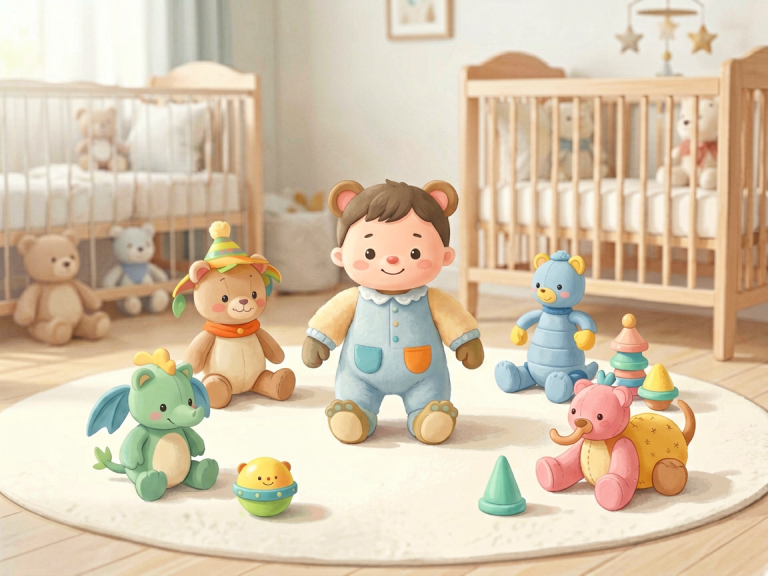
The single most important factor in picking a birthday toy is the child’s age. Toys that are too advanced can frustrate, while those that are too simple can bore. For infants (0–12 months), focus on sensory stimulation: soft rattles, textured teething rings, high-contrast black-and-white cards, and unbreakable mirrors. Toddlers (1–3 years) thrive on cause-and-effect toys like shape sorters, stacking blocks, push-and-pull wagons, and simple musical instruments. Preschoolers (3–5 years) begin to engage in imaginative play, so consider dress-up costumes, pretend kitchen sets, puzzles with 12–24 pieces, and basic building sets like large LEGO DUPLO. School-age children (6–9 years) often enjoy board games, science kits, craft supplies, and more complex construction sets. Tweens and teens (10+ years) may prefer hobbies like coding robots, art supplies, sports equipment, or collectible items that align with their emerging identities. Always check the manufacturer’s age recommendation, but also observe the child’s actual abilities. Some six-year-olds may still be cautious with small pieces, while others can handle intricate models. Matching the toy to the developmental sweet spot ensures the child can engage successfully and build confidence.
—
Observe the Child’s Interests and Hobbies
No two children are exactly alike, even within the same family. The best birthday toys tap into what the child already loves. Spend time watching how they play. Do they spend hours drawing and painting? Then a high-quality art set, an easel, or a sketchbook with professional-grade markers might be a hit. Are they fascinated by dinosaurs, space, or ocean animals? Look for figurines, books, or puzzles themed around those topics. If they enjoy building, consider advanced construction kits such as magnetic tiles, wooden blocks, or specialized sets like marble runs. For children who love to move, a new bike, scooter, jump rope, or even a mini trampoline could be perfect. Do not guess; ask the child directly if they are old enough, or consult the parents. Sometimes the most cherished gifts are those that show you pay attention to their unique passions. A child who adores ballet will treasure a new tutu and ballet slippers far more than a generic action figure. Aligning the toy with their interests also extends playtime, as children are more likely to revisit toys that connect with their inner world.
—
Prioritize Safety and Quality
A birthday toy should bring joy, not injury. Before purchasing, examine the toy for potential hazards. For children under three, avoid small parts that pose choking risks, sharp edges, or long cords that could strangle. Check that paint and materials are non-toxic, especially if the child tends to mouth objects. Look for certifications like ASTM (American Society for Testing and Materials) or CE marking if you are in Europe. Quality matters beyond safety. A well-made toy withstands rough play and lasts for years, often becoming a family heirloom. Cheap plastic toys may break quickly, leading to frustration and waste. Choose toys from reputable brands known for durability, and consider materials like solid wood, heavy-duty fabric, or high-grade plastic. Read online reviews that mention breakage or safety concerns. Also, think about the environment: toys made from recycled or sustainably sourced materials teach children about responsibility while giving you peace of mind. Remember, safety is not just about avoiding danger—it is about creating a secure space where the child can explore freely without constant supervision.
—
Think About Educational Value and Skill Development
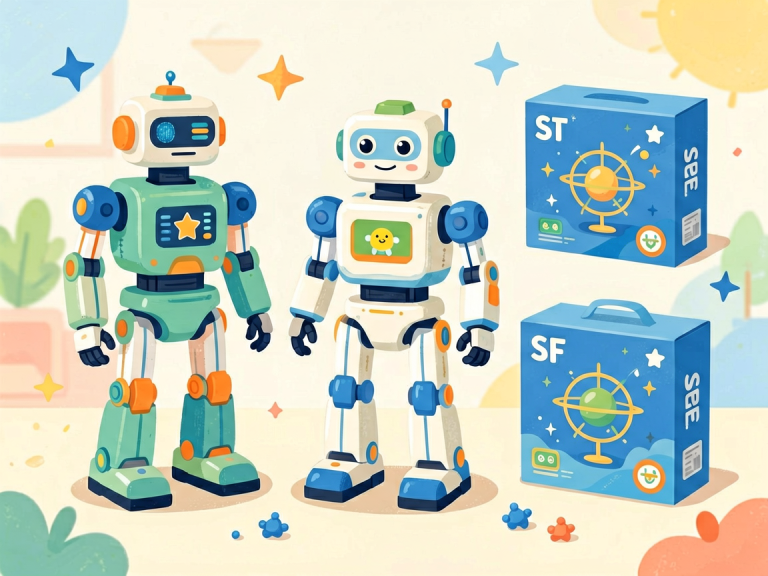
Toys are powerful tools for learning. The best birthday gifts entertain while secretly teaching. For younger children, look for toys that build fine motor skills: lacing beads, pegboards, or play dough tools. Language development can be boosted by storybook sets, alphabet puzzles, or interactive talking books. For older kids, consider STEM (Science, Technology, Engineering, Math) toys like crystal-growing kits, simple circuit boards, or coding games that introduce logic. Problem-solving skills emerge from strategy board games such as chess, checkers, or modern classics like *Robot Turtles*. Social-emotional learning can be fostered through cooperative games that require teamwork rather than competition. Even purely fun toys like action figures or dollhouses encourage narrative thinking and empathy as children create stories. However, do not overemphasize education. A toy that feels like a “lesson” may be rejected. The best educational toys are those where the learning is disguised as play. For example, a kitchen scale that teaches measurement or a building set that introduces geometry can be a joyful discovery, not a chore.
—
Factor in the Child’s Personality and Play Style
Every child has a unique temperament. Some children are active explorers who love running, climbing, and rough-and-tumble play. For them, consider outdoor gear like a skip ball, a frisbee, or a climbing dome. Others are quiet observers who enjoy solitary activities like reading, puzzles, or small-world play with figurines. These children might love a detailed dollhouse, a model train set, or a collection of realistic animal figures. Social butterflies crave interaction and group play. Board games, card games, or collaborative craft projects where they can involve siblings and friends are excellent choices. There are also children who are “process-oriented”—they love taking things apart and rebuilding. A construction set with instructions for multiple models, or a mechanical kit with gears and pulleys, will fascinate them. By matching the toy to the child’s natural play style, you ensure it will be used, not abandoned in the closet. Observing how the child plays during regular days—alone or with others, quietly or boisterously—gives you valuable clues.
—
Set a Budget and Look for Longevity
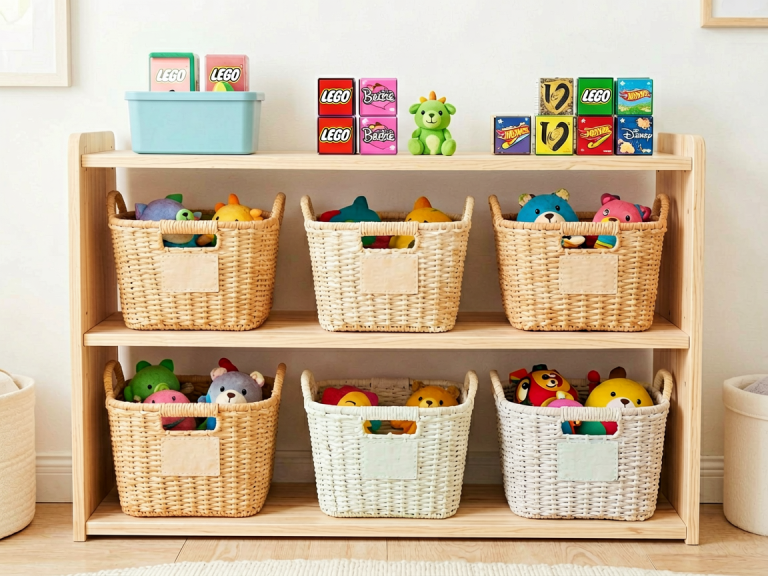
Birthday gifts do not need to be expensive to be wonderful. A well-chosen toy within a modest budget can bring more joy than a costly gadget that gets played with once. Define your price range before you start shopping. Then consider the toy’s lifespan. Does it offer replay value? A simple set of wooden blocks can be used for years in countless ways, while a single-use craft kit might be finished in an afternoon. Open-ended toys that allow multiple uses—such as magnetic tiles, LEGO bricks, art supplies, or a good-quality jump rope—provide long-term value. Also think about whether the toy can be enjoyed by the child at different ages. Some toys come with expansion packs, or the same toy can be used in increasingly complex ways as the child grows. For example, a marble run can be simple for a three-year-old and complicated for an eight-year-old. If the budget allows, invest in one high-quality item rather than several cheap ones. Involving the child’s parents can help them know what they already have or what the child truly needs.
—
Involve the Child (When Appropriate)
For older children, especially those aged seven and up, giving them a voice in the selection process can be empowering. Create a shortlist of two or three options and let them choose. This avoids disappointment and builds decision-making skills. However, maintain an element of surprise. You can ask them to show you their “wish list” or talk about what they loved playing with at a friend’s house. Sometimes children do not know what exists beyond their immediate experience, so showing them a catalog or browsing online together can open their eyes to new possibilities. For younger children, avoid overwhelming them with choices; instead, rely on observation. The key is to strike a balance between their desires and your judgment. Remember, a child may ask for the latest cartoon-themed toy, but that toy might break quickly or have shallow play value. Gently guide them toward <a href="https://www.toydecisionguide.com/category/alternatives/”>alternatives that match their interests but offer better quality or longer engagement. Ultimately, the toy should be a source of joy, not a source of conflict.
—
Check Reviews and Recommendations
In the age of online shopping, reviews are your best friend. Look for feedback from verified purchasers, paying attention to comments about durability, safety, and whether the toy actually held a child’s attention. Parent forums, blogs, and educational websites often have curated lists of top toys for each age group. You can also ask other parents whose children are similar in age and temperament. Word-of-mouth recommendations are often more reliable than commercial advertisements. Be cautious about toys with extremely polarized reviews; some may be poorly made or have hidden flaws. If you are buying a second-hand toy, inspect it thoroughly for wear and missing parts. Also check for recalls—the Consumer Product Safety Commission (CPSC) provides a list of recalled toys. Taking the time to research could save you from a frustrating purchase and ensure that your gift is both safe and beloved.
—
Consider the Occasion and Theme
While the toy itself is important, the context of the birthday party sometimes influences the choice. If the party has a theme—such as pirates, princesses, superheroes, or a favorite movie—a toy that fits the theme can enhance the overall experience. The child might feel extra special receiving a gift that matches the decorations and activities. However, do not let the theme override the child’s genuine interests. A child who loves science but is having a dinosaur-themed party might still appreciate a dinosaur fossil excavation kit rather than a generic dinosaur costume. Additionally, consider the timing: if the child is receiving many gifts from others, a smaller but thoughtfully chosen toy can stand out among the noise. Some families prefer “experience gifts” like tickets to a zoo or a craft workshop, which can also be paired with a small toy. The birthday celebration is about celebrating the child, so let the toy reflect that celebration.
—
Don’t Forget the Fun Factor!
Amid all the considerations of age, safety, and education, never lose sight of the core purpose: having fun. A toy that is perfectly appropriate but boring is a missed opportunity. Children play to explore, to laugh, to pretend, and to connect. The best toys elicit smiles, laughter, and that magical absorption where time disappears. When you see a toy, ask yourself: Would this make the child’s eyes light up? Does it invite creativity, movement, or wonder? Sometimes the simplest toy—a colorful kite, a bubble machine, a set of sidewalk chalk—brings the greatest joy. Do not be swayed by flashy advertisements or peer pressure. Trust your instincts and your knowledge of the child. If you can imagine them laughing and sharing the toy with friends, you have probably made the right choice.
—
Conclusion
Picking a birthday toy is an act of love. It says, “I see you, I know you, and I want you to be happy.” By considering the child’s age, interests, safety, developmental needs, personality, and play style, you can select a gift that goes beyond mere entertainment. Whether it is a sturdy wooden train set, an art kit that unlocks creativity, or a science experiment that sparks curiosity, the right toy becomes a cherished part of childhood. Remember to balance practicality with joy, and do not underestimate the power of simple, open-ended play. With these guidelines, you are now equipped to navigate toy stores and online shops with confidence. So go ahead—find that perfect present and watch the birthday child’s face light up. That moment of pure delight is the best gift of all.
Explore Birthday & Gift Decisions
This guide is the main starting point for this topic. Use these focused guides to explore specific ages, needs, risks, and practical choices.