Safer Alternatives to Battery-Powered Toys: A Comprehensive Guide for Conscious Parents
Introduction: The Hidden Risks Behind the “Buzz”
In an age where technology permeates nearly every aspect of childhood, battery-powered toys have become ubiquitous. From singing plush bears to remote-controlled cars, these electronic playthings promise endless entertainment, interactivity, and convenience. However, beneath their flashing lights and cheerful melodies lie a host of concerns that many parents overlook. The chemicals in lithium batteries, the risk of swallowing small button cells, electromagnetic fields, and the environmental toll of disposable batteries are just the tip of the iceberg. According to the U.S. Consumer Product Safety Commission, thousands of emergency room visits each year are linked to battery-related incidents in children, including chemical burns, choking, and ingestion. Furthermore, the reliance on batteries fosters a “passive play” culture where children simply press buttons rather than engaging their creativity and motor skills.
Fortunately, there is a growing movement toward safer, more sustainable, and developmentally beneficial alternatives. This article explores the health, environmental, and educational advantages of non-battery toys, offering parents a roadmap to make informed choices. By understanding the hidden dangers and embracing timeless alternatives, we can protect our children’s well-being while nurturing their imagination.
—
1. The Hidden Dangers of Battery-Powered Toys
Before diving into alternatives, it is crucial to understand why battery-powered toys are not as innocent as they appear. The primary risks fall into three categories:
Chemical Hazards: Many batteries contain toxic heavy metals such as cadmium, mercury, and nickel. Leakage, which can occur when batteries are left in toys for extended periods, exposes children to corrosive substances that can cause skin burns or respiratory issues if inhaled. Button batteries, in particular, are extremely dangerous if swallowed—they can create an electrical current that burns through tissue in as little as two hours, leading to severe internal injuries or death.
Physical Risks: Toys with complex electronic components often have sharp edges, small removable parts, and wiring that can fray or overheat. Lithium-ion batteries, used in many rechargeable toys, have been known to swell, ignite, or explode under certain conditions. Moreover, the loud sounds produced by some battery toys can damage a child’s hearing if used repeatedly at close range.
Developmental Concerns: Battery-powered toys frequently engage children in passive consumption. A child pushes a button, and the toy reacts—no creativity, problem-solving, or physical effort is required. This “one-trick” play pattern can delay the development of fine motor skills, spatial reasoning, and social interaction. Additionally, the bright, flickering lights and synthetic colors overstimulate the nervous system, potentially contributing to attention difficulties and sleep disturbances.
Environmental Impact: Each year, billions of disposable batteries end up in landfills, where they leak toxic materials into soil and groundwater. Rechargeable batteries, though better, still contain finite resources and require energy-intensive manufacturing. The plastic casing of most electronic toys further exacerbates the global plastic pollution crisis.
Given these multifaceted risks, the shift toward safer alternatives is not merely a trend—it is a responsible parenting choice.
—
2. Top Safer Alternatives to Battery-Powered Toys
Below are five categories of toys that eliminate battery-related dangers while offering richer, more engaging play experiences.
2.1 Wooden Toys: Timeless and Non-Toxic
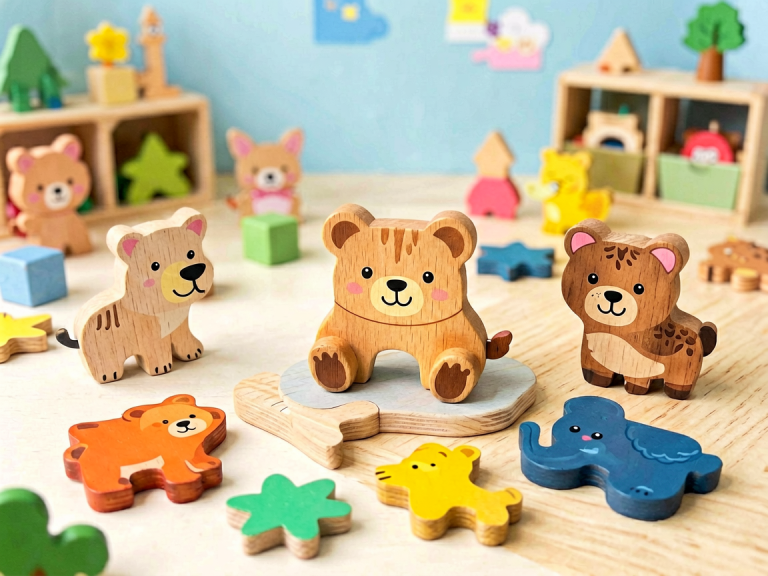
Wooden toys have been cherished for centuries, and for good reason. Made from natural materials like beech, maple, or sustainably harvested bamboo, they are free from the volatile organic compounds (VOCs) found in many plastics. High-quality wooden blocks, puzzles, trains, and stacking rings encourage open-ended play. Without batteries, there are no electrical risks, no small parts that can easily break off, and no chemical leaks. The tactile sensation of wood—its warmth, weight, and grain—stimulates sensory development in ways that plastic cannot.
Moreover, wooden toys often have a longer lifespan. They can be passed down through generations, reducing waste. Look for toys finished with water-based, non-toxic paints or natural oils (e.g., linseed or beeswax). Brands like Grimms, PlanToys, and Melissa & Doug offer certified safe options. For example, a simple set of wooden rainbow stackers can be used for counting, color sorting, building, and imaginative storytelling—far more versatile than a battery-powered shape sorter that only produces a single sound.
2.2 Fabric and Stuffed Toys: Soft, Washable, and Safe
Soft toys have long been a staple in nurseries, but the modern version often contains batteries for singing or moving eyes. Instead, opt for simple, machine-washable stuffed animals made from organic cotton, wool, or bamboo fiber. These materials are hypoallergenic and free from flame retardants and phthalates that are common in synthetic plush toys. Without internal electronics, there is no risk of battery leakage, choking on small parts, or overheating.
Additionally, fabric toys can be sensory-rich: cotton dolls with embroidered features, felt food sets for pretend cooking, or cloth books with crinkle surfaces. They encourage cuddling, comforting, and social play—activities that promote emotional regulation. A child can take a soft toy anywhere, even into the bath or outdoors, without fear of damaging electronics. For parents concerned about sustainability, organic cotton toys are biodegradable and produced with fewer pesticides.
2.3 Mechanical and Wind-Up Toys: The Magic of Manual Power
Wind-up toys—those operated by a simple spring mechanism—offer a delightful bridge between classic craftsmanship and modern play. They require no batteries, yet they move, spin, or walk. The child learns cause and effect: turning the key stores energy, then releases it in a controlled manner. This process builds fine motor skills, patience, and an intuitive understanding of physics. Common examples include tin robots, clockwork frogs, and music boxes. Unlike battery toys, wind-up toys have no electronic components that can malfunction; they are robust, easy to repair, and often made of metal or wood.
Similarly, pull-string toys or push-along vehicles (like classic wooden cars) rely on the child’s own energy. A simple spinning top or a gyroscope can captivate a child for hours without a single battery. These toys promote active participation rather than passive reception. And when the winder breaks? A basic screwdriver can often fix it—something impossible with a failed circuit board.
2.4 Nature-Based Toys: Simple, Sustainable, and Stimulating
Perhaps the purest alternative is to look to nature itself. Pinecones, seashells, smooth stones, acorns, and sticks can become the most imaginative toys a child will ever own. Collecting them encourages outdoor exploration, an antidote to screen time. A pile of large wooden logs (from a safe, sanded source) can be used for balancing, building forts, or as pretend animals. Sand and water play with wooden scoops, buckets, and molds is inherently battery-free and extraordinarily educational—it introduces concepts of volume, texture, and motion.
Natural toys also support sensory integration. The irregular shapes, varying weights, and organic smells of natural items stimulate multiple senses simultaneously, which is critical for neurological development in young children. To ensure safety, avoid small objects that could be choking hazards for children under three, and always supervise. For home use, a “nature basket” filled with cleaned, smooth river stones, pieces of driftwood, and dried gourds can replace a basket of plastic battery-powered instruments.
2.5 Montessori and Open-Ended Play Materials
Montessori-inspired toys are specifically designed to foster independence and focus, and they eschew batteries entirely. Examples include wooden stacking towers, knobbed puzzles, bead threading sets, and sorting trays with natural elements. The key is “open-ended” play—a toy that does not prescribe a single outcome. A set of magnet tiles (without electronics), for instance, can become a castle, a bridge, or a spaceship depending on the child’s imagination. A stack of plain wooden rings can be used for counting, color grading, or as props in a story.
These materials often have a built-in “control of error”—the child can see for themselves if the puzzle piece fits or if the tower falls. This self-correcting mechanism cultivates problem-solving and resilience, unlike battery toys that simply reward a button press with a pre-recorded applause. Furthermore, Montessori materials are usually made from sustainable wood and finished with non-toxic glues, making them safer for teething babies who might chew on them.
2.6 Books, Puzzles, and Art Supplies: Screen-Free Learning
While not traditionally classified as “toys,” high-quality board books, floor puzzles, and art supplies (crayons, watercolors, play dough) are among the safest and most enriching play options. They contain zero batteries, no electronic circuits, and minimal synthetic materials. A 48-piece cardboard floor puzzle teaches spatial reasoning and patience; a set of non-toxic crayons and recycled paper unlocks endless creative expression; a simple picture book invites language development and bonding.
These activities align with recommendations from pediatricians and child development experts: unstructured, imaginative, and hands-on play is vital for brain growth. Unlike battery toys that do the work for the child, these tools require active participation. They also pose no electronic safety hazards and are generally made from materials that are easy to recycle or biodegrade.
—
3. How to Choose Safe Toys: Practical Tips for Parents
Transitioning to safer alternatives does not mean sacrificing fun. Here are actionable guidelines for curating a battery-free toy box:
- Read Labels Carefully: Look for certifications such as ASTM International (for safety), CE mark (in Europe), and “non-toxic” or “BPA-free” claims. For wooden toys, check for “FSC-certified” (Forest Stewardship Council) wood and water-based finishes.
- Prioritize Age Appropriateness: Avoid small parts for children under three. Choose toys that match the child’s developmental stage—simple grasping toys for infants, more complex puzzles for toddlers, and building sets for preschoolers.
- Embrace Quality over Quantity: A few well-made, versatile wooden blocks will outlast a dozen cheap plastic battery toys. Invest in durable, repairable items.
- Look for Multi-Sensory Engagement: Good toys engage touch, sight, hearing (through natural sounds like a bell or rattle), and even smell. Avoid toys that rely solely on visual or auditory gimmicks.
- Support Local and Small Brands: Many small craftspeople create handmade wooden, fabric, or natural-fiber toys that are safer and more sustainable than mass-produced imports.
- Rotate Toys: To keep interest high without buying more, rotate the available toys every few weeks. A “forgotten” wooden train set will feel brand new when it reappears.
—
Conclusion: A Brighter, Safer Future for Play
The movement away from battery-powered toys is not about denying children fun—it is about redefining what fun truly means. When a child builds a tower from wooden blocks, the joy comes from their own effort and accomplishment. When they wind up a tin frog, they learn patience and anticipation. When they splash in a puddle with a natural wood boat, they connect with the world around them. These experiences build confidence, creativity, and resilience in ways that passive, battery-dependent play cannot match.
Moreover, by choosing safer alternatives, parents protect their children from chemical exposure, choking hazards, and overstimulation. They also contribute to a healthier planet by reducing battery waste and plastic pollution. The initial investment in higher-quality, non-electronic toys often pays off through longevity and reduced replacement costs.
Ultimately, the best toy is one that sparks imagination, encourages movement, and fosters connection—without needing a single AA battery. By rethinking our playrooms, we can offer our children a childhood that is not only safer, but infinitely richer.