Introduction: Why Outdoor Play Matters More Than Ever
The Ultimate Outdoor Toys Guide for Parents: Choosing Safe, Engaging, and Developmentally Appropriate Playthings for Your Child
In an era dominated by screens, structured activities, and increasingly busy family schedules, the importance of unstructured outdoor play has never been more critical. Research consistently shows that time spent outdoors enhances children’s physical health, cognitive development, social skills, and emotional well-being. Outdoor toys serve as powerful catalysts for this kind of play—they invite exploration, creativity, and movement in ways that indoor toys rarely can. However, with thousands of options flooding the market, from classic bicycles to high-tech drones, parents often feel overwhelmed when trying to select the right outdoor toys for their children. This comprehensive guide aims to demystify the process, offering practical advice on safety, age appropriateness, developmental benefits, and sustainability. Whether you have a toddler taking their first wobbly steps or a pre-teen craving adventure, the insights below will help you build a toy collection that inspires joy, learning, and countless hours of fresh-air fun.
Age-by-Age Recommendations: Matching Toys to Developmental Stages
Toddlers (Ages 1–3): Sensory Exploration and Gross Motor Foundations
For the youngest explorers, outdoor toys should prioritize safety, sensory stimulation, and the development of basic motor skills. At this stage, children are learning to walk, run, climb, and manipulate objects. Look for toys that are sturdy, low to the ground, and free of small parts that could pose choking hazards. Excellent choices include push-and-pull toys like wooden wagons with rounded edges, small plastic shovels and buckets for sand or water play, and ride-on toys with wide bases that won’t tip easily. A simple bubble machine can provide endless fascination while encouraging chasing and hand-eye coordination. Avoid toys with long cords or ropes that could become tangled, and always supervise water play, even in shallow kiddie pools. The goal is to let toddlers explore their environment freely while building confidence in their physical abilities.
Preschoolers (Ages 3–5): Imaginative Play and Early Social Skills
Preschoolers thrive on make-believe and cooperative play. Their outdoor toys should support creativity and simple rule-based games. Consider items like a small plastic slide or a beginner’s swing set (with properly anchored legs), a sandbox with molds and trucks, and tricycles or balance bikes that teach steering and pedaling without the complexity of training wheels. Play tunnels and pop-up tents encourage hide-and-seek and pretend camping. Art supplies such as sidewalk chalk, washable paint, and a portable easel turn the driveway into a gallery. At this age, children begin to engage in parallel and group play, so toys that invite sharing—like a set of oversized building blocks for outdoors or a foam ball and a simple target—are invaluable. Always check for sharp edges, pinch points, and UV stability, as outdoor toys left in the sun can degrade quickly.
Early Elementary (Ages 5–8): Building Coordination and Endurance
Children in this age group have greater coordination, balance, and stamina. They crave challenges and are ready for more advanced physical activities. Bicycles with hand brakes (and a properly fitted helmet) become a rite of passage, as do scooters and roller skates. A jump rope, a hula hoop, and a set of badminton or pickleball rackets introduce hand-eye coordination and light competition. Kites offer an excellent lesson in physics while requiring running and string management. For group play, consider a croquet set, a frisbee, or a simple soccer goal. Climbing structures—whether a backyard jungle gym, a rope ladder, or a tree house—help develop upper body strength and risk assessment. Parents should also think about storage: many toys at this stage have multiple pieces that can easily be lost, so a deck box or a dedicated shed keeps the yard tidy and prolongs the life of the equipment.
Tweens and Teens (Ages 9+): Skill Mastery and Social Connection
Older children and teenagers use outdoor toys to refine specialized skills and bond with peers. This is the age for skateboards, longboards, inline skates, and trick scooters—all requiring proper protective gear (helmet, knee pads, wrist guards). A basketball hoop (adjustable height is ideal) can become the centerpiece of neighborhood gatherings. For more sedentary interests, consider outdoor chess or checker boards (weather-resistant sets), giant Jenga, or cornhole. If your child is interested in nature, a telescope, a butterfly net, or a field guide to local birds can turn the backyard into a science lab. High-quality items like a trampoline (with an enclosure net and proper padding) or a zip line can provide hours of exhilaration, but they demand rigorous safety checks and parental supervision. Encourage your teen to invite friends over for outdoor activities as a healthy alternative to digital hangouts; providing equipment that supports group dynamics is key.
Safety First: Critical Guidelines for Every Parent
Choosing Materials and Construction
The materials of outdoor toys directly impact their durability and safety. Avoid cheap plastics that become brittle in sunlight—look for high-density polyethylene (HDPE) or heavy-duty resin that withstands UV rays and temperature fluctuations. Wooden toys should be made from sustainably sourced, splinter-free timber, sealed with non-toxic, waterproof coatings. Metal components, especially on swing sets and bike frames, should be galvanized or powder-coated to prevent rust. Always check for certifications such as ASTM (American Society for Testing and Materials) or CPSC (Consumer Product Safety Commission) compliance, which indicate that the product has passed rigorous safety tests.
Proper Installation and Anchoring
Many serious injuries from outdoor toys result from improper assembly or anchoring. A swing set, for instance, must be anchored into the ground with stakes or concrete, especially in windy areas. Trampolines should have a weight limit clearly marked and be placed on level grass, away from fences, trees, and other hazards. Climbing structures require a soft landing surface—grass alone is not sufficient; consider rubber mulch, sand, or engineered wood chips at least 12 inches deep. Read manufacturer instructions carefully, and do not alter or modify toys in ways that compromise safety. If you are not handy, hire a professional to install large equipment.
Supervision and Setting Boundaries
No toy can replace active parental supervision. Children’s abilities vary widely, so assess your child’s readiness before introducing a new toy. For example, a three-year-old may love a small slide but should never be allowed near a trampoline. Establish clear rules: no running near swing sets, no standing on swings, no climbing on the roof of a playhouse. Teach children how to use toys correctly—for instance, how to brake properly on a bike or how to fall safely from a skateboard. Wear protective gear consistently; helmet use should be non-negotiable for anything with wheels. Also, be mindful of sun safety: incorporate shaded areas, use sunscreen, and schedule outdoor play during cooler parts of the day.
Types of Outdoor Toys: A Category-by-Category Overview
Active Play and Sports Equipment
This category includes everything from balls and nets to jump ropes and roller skates. When selecting sports equipment, consider your child’s current skill level and interest. A softer foam football is ideal for younger children; a regulation-size basketball is too heavy for small hands. Look for adjustable equipment that grows with the child—batting tees with height adjustments, basketball hoops that can lower from 10 feet to 7 feet. Multi-sport sets that include a baseball glove, a tennis racket, and a soccer ball can help a child discover which sport they enjoy before you invest in specialized gear. Encourage variety to develop a broad range of motor skills and prevent overuse injuries.
Creative and Sensory Toys
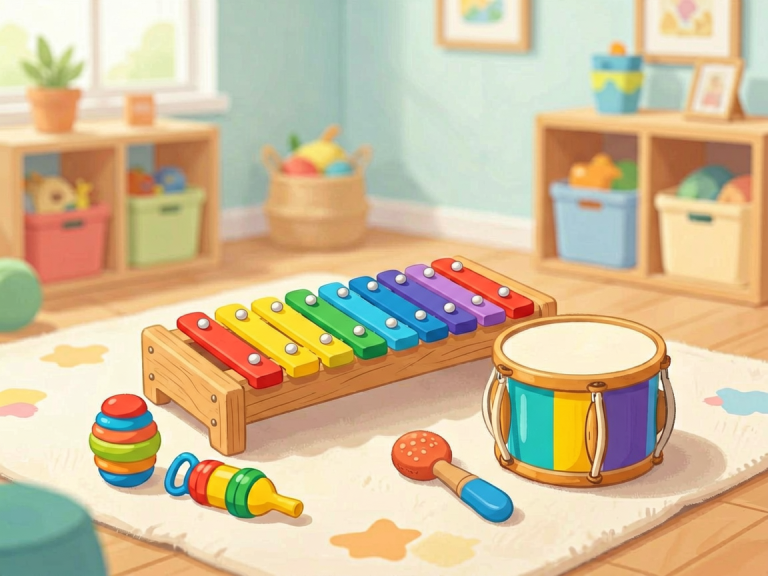
Sidewalk chalk, paint with brushes and spray bottles, sand and water tables, mud kitchen sets, and outdoor musical instruments (such as a xylophone or rain sticks) stimulate imagination and sensory processing. These toys often have no “right” way to play, which fosters open-ended creativity. Look for non-toxic, washable materials. For water play, consider a closed-loop system (like a water table with a recirculating pump) to conserve water. Sand toys should be stored dry to prevent mold. Creating a dedicated “art station” in the yard—a table, an easel, and a bin of supplies—can keep messes contained and invite daily creativity.
Construction and Engineering Toys
Building toys designed for outdoor use, such as oversized foam blocks, plastic interlocking bricks (like large-format LEGO Duplo or Mega Bloks), and wooden planks with connectors, allow children to construct forts, bridges, and imaginary structures. These toys develop spatial reasoning, problem-solving, and collaborative skills. They are especially beneficial for children who love to build indoors but need more space. Look for lightweight yet durable materials that can be easily cleaned with a hose. Avoid sets with many tiny pieces that could be lost in the grass.
Nature Exploration and Science Toys
Encourage a love of the natural world with toys that promote observation and discovery. A kid-friendly bug vacuum or a magnifying glass, a compass, a pair of binoculars, a waterproof nature journal, and a field identification guide are excellent for backyard explorations. Gardening kits—child-size tools, seeds, and a small raised bed—teach responsibility and the science of plant growth. A simple weather station with a thermometer, rain gauge, and wind vane can spark an interest in meteorology. These toys are relatively inexpensive and often provide the longest-lasting engagement because children can use them repeatedly in changing outdoor conditions.
Making Smart Purchases: Quality, Budget, and Longevity
Invest in Versatile, High-Use Items
Instead of buying a dozen single-purpose toys that will be outgrown in a season, focus on a few high-quality, versatile pieces. A good-quality balance bike, for example, can be used by multiple children over several years and can later be converted into a pedal bike. A sturdy wagon can serve for hauling toys, transporting siblings, or pulling garden debris. A sandbox with a cover becomes a play space, a digging zone, and even a mini construction site. Prioritize toys that are “open-ended”—they can be used in many different ways rather than having a single function.
Consider Second-Hand and Eco-Friendly Options
Outdoor toys can be expensive, and many are quickly outgrown. Check local thrift stores, Facebook Marketplace, and community garage sales. Look for gently used items that can be cleaned and repaired—a coat of non-toxic paint can revitalize a wooden playhouse, and new rope can restore a swing. If buying new, choose brands that offer replacement parts and that use recycled or sustainably sourced materials. Avoid toys with excessive plastic packaging. Some companies now make outdoor toys from ocean-bound plastics or FSC-certified wood. Supporting these brands teaches children about environmental stewardship.
Storage and Maintenance Extend Toy Life
Nothing kills outdoor play faster than broken or dirty toys. Invest in a waterproof storage box or a small shed to keep toys dry and protected from sun damage. For items like bikes and scooters, a covered rack or a garage wall mount saves space and prevents rust. Teach children to rinse sand toys, wipe down water tables, and put away smaller pieces after use. Regularly check for wear and tear: tighten loose screws, replace worn grips, sand any splinters, and lubricate moving parts. Proper maintenance not only extends the toy’s life but also prevents accidents.
Conclusion: Outdoor Toys as Gateways to a Healthier Childhood
Choosing the right outdoor toys for your children does not have to be a stressful endeavor. By considering age, safety, developmental needs, and play value, you can create an outdoor environment that naturally invites movement, creativity, and connection. The best toys are those that children return to again and again—not because they are flashy or expensive, but because they empower children to test their limits, collaborate with friends, and simply enjoy being outside. As you navigate the aisles of toy stores or scroll through online listings, remember that your ultimate goal is not to accumulate more things, but to unlock richer experiences. A swing that feels like flying, a sandbox that becomes a castle, a kite that dances with the wind—these are the memories that will stay with your child long after the plastic has faded. So step outside, pick up a ball or a bubble wand, and join your child in the adventure. After all, the best outdoor toy is often a parent who is willing to play.