Unlocking Imagination: What You Need to Know Before Choosing Open-Ended Toys
In a world saturated with flashing lights, pre-recorded sound effects, and rigid step‑by‑step instructions, the quiet charm of open‑ended toys has made a powerful comeback. Parents, educators, and child development experts increasingly advocate for playthings that do not dictate a single outcome but instead invite children to invent, explore, and adapt. Yet, despite their growing popularity, open‑ended toys are often misunderstood. Choosing the right ones requires more than grabbing the first set of wooden blocks you see. Before you invest in that bin of simple shapes or that bag of colorful connectors, there are several crucial factors to consider. This article will guide you through the essential knowledge you need to make informed, thoughtful choices that truly support your child’s growth.
The True Nature of Open‑Ended Toys: More Than Just “No Instructions”
At its core, an open‑ended toy is one that can be used in multiple ways without a predetermined purpose. A cardboard box, a set of magnetic tiles, a pile of natural pebbles, or a length of yarn are all classic examples. They are the opposite of a battery‑operated robot that only repeats three phrases or a jigsaw puzzle with exactly one correct arrangement. However, the distinction is not always black and white. Many toys marketed as “open‑ended” still have subtle limitations. For instance, a set of brightly colored plastic building bricks may be extremely versatile, but if the pieces are designed only to snap together in one orientation, the creativity is artificially constrained. True open‑ended toys allow for transformation: a scarf can become a cape, a tent, a river, or a baby’s blanket, depending on the child’s imagination. Understanding this fluidity is the first step. Before you choose, ask yourself: can this object be used in at least five distinctly different ways by a child of the intended age? If the answer is no, it may not be as open‑ended as it appears.
Age and Developmental Stage: Matching Toy Complexity with Growing Minds
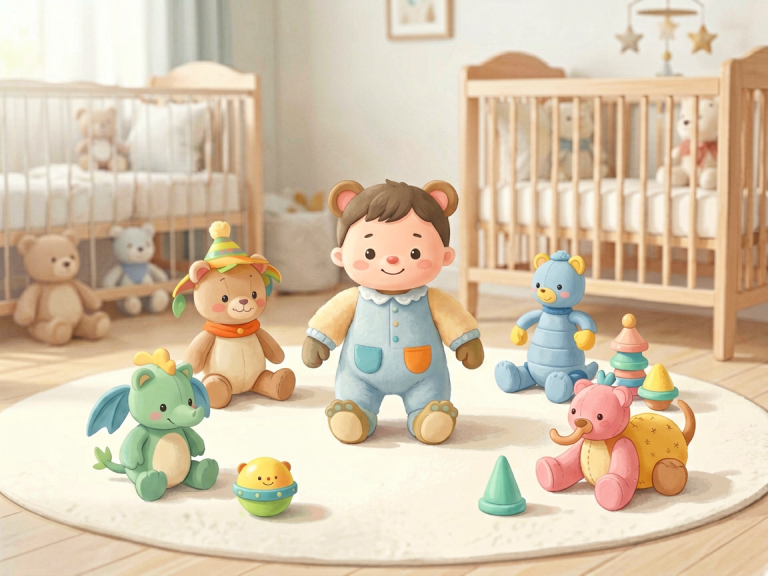
No toy is universally perfect for every age. A set of tiny, precisely shaped wooden blocks might be ideal for a five‑year‑old constructing elaborate castles, but it could be frustrating—or even dangerous—for a one‑year‑old who is still mouthing objects. When selecting open‑ended toys, consider the child’s current developmental abilities and their “zone of proximal development.” Infants and toddlers benefit from toys that engage the senses: soft fabrics, large wooden rings, rattles made of natural materials, and simple stacking cups. These items are open‑ended in their earliest form—they can be shaken, gnawed, dropped, and stacked. As children move into the preschool years, their capacity for symbolic play expands. This is the golden age for open‑ended toys like play silks, plain wooden figures, and modular building systems. School‑age children, with their advanced problem‑solving skills, can handle more complex open‑ended sets such as engineering kits that allow for multiple bridge designs or art supplies that mix paint and found objects. Matching the toy’s inherent challenge to the child’s current stage prevents both boredom and overwhelming frustration. A child who is not yet ready for a toy will simply ignore it; a child who has outgrown it will discard it. Neither outcome supports the deep, focused play that open‑ended toys are meant to cultivate.
Material and Safety: The Hidden Foundation of Play
Open‑ended toys often emphasize natural or simple materials, but not all materials are created equal. Before you choose, examine the construction closely. Is the wood sanded smooth, free of splinters, and finished with non‑toxic paint or oil? Are the plastics BPA‑free and phthalate‑free? For younger children, size matters enormously: any piece that can fit inside a toilet paper roll is a potential choking hazard. But safety goes beyond the obvious. Some open‑ended toys, such as sets of glass marbles or small magnetic beads, pose swallowing or ingestion risks that may not be apparent until an accident occurs. Furthermore, the durability of the material affects how the toy can be used. A flimsy cardboard brick will crush after one building session, teaching the child that construction is unreliable. A solid, well‑made wooden block, on the other hand, can withstand years of stacking, knocking, and repurposing. The environmental impact is also worth considering. Many open‑ended toys are marketed as “eco‑friendly,” but you should verify claims. Look for certifications like FSC for wood, or non‑toxic certifications for paints. Investing in high‑quality, safe materials ensures that the toy can be passed down, reused, and loved by multiple children, which aligns beautifully with the sustainable, long‑term spirit of open‑ended play.
Quantity vs. Quality: Why Less Can Be More
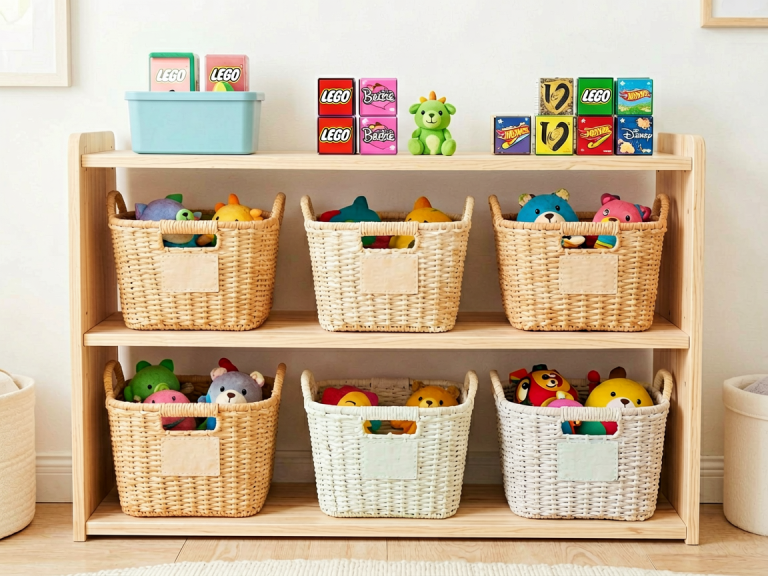
It is tempting to buy a giant bucket of colorful building bricks, reasoning that more pieces mean more possibilities. In reality, an overwhelming quantity of identical pieces can actually stifle creativity. When a child faces a mountain of similar components, they may become paralyzed by choice, resorting to repetitive, uncreative stacking rather than imaginative transformation. Research in developmental psychology suggests that a moderate, curated selection of diverse materials sparks more complex play. For example, a set of 30–50 plain wooden blocks in various shapes, combined with a few scarves, a handful of toy animals, and a piece of blue fabric to represent water, can generate infinitely more narrative scenarios than 500 identical plastic bricks. The key is variety in form and function, not sheer number. Before you choose, think about how the toy will integrate with the child’s existing collection. A new open‑ended toy should complement, not duplicate, what they already have. A few high‑quality, thoughtfully chosen items will encourage deeper engagement and longer play sessions than a cluttered toy bin filled with cheap, single‑purpose pieces.
The Role of Aesthetic and Sensory Appeal
Children are naturally drawn to beauty and sensory richness, yet many mass‑market open‑ended toys are surprisingly bland. A set of gray plastic connectors or rough, unfinished wooden logs may be open‑ended in theory, but they fail to invite the child’s touch and gaze. Aesthetic quality matters because it signals to the child that the object is worthy of care and attention. Toys made from materials with pleasing textures—smooth beech wood, soft linen, cool metal—engage multiple senses simultaneously, deepening the play experience. Colors also play a role. While some Montessori‑inspired open‑ended toys use only natural wood tones, research indicates that children respond positively to subtle, harmonious colors that do not overwhelm the senses. Bright neon plastic may be stimulating, but it can also be distracting, pulling the child’s focus away from imaginative construction. When choosing, look for toys that feel good in your own hand. If the material is rough, flimsy, or visually jarring, it is unlikely to inspire the quiet, focused wonder that open‑ended play is meant to foster.
Avoiding Common Misconceptions: What Open‑Ended Toys Are NOT
One of the biggest pitfalls for parents is confusing “educational” with “open‑ended.” A toy that claims to teach letters or numbers but forces the child to follow a specific algorithm is not open‑ended; it is a closed task disguised as play. Similarly, many modern building kits come with “inspiration cards” that show exactly what to build. While these cards can be helpful for getting started, they can also subtly undermine the open‑ended nature of the toy if the child feels pressured to replicate the images. True open‑ended toys do not come with a manual, an app, or a list of approved builds. Another misconception is that open‑ended toys are only for “creative” children. In reality, all children benefit from the cognitive flexibility, persistence, and problem‑solving that these toys encourage. A child who prefers structured activities may initially resist a completely open‑ended set, but with gentle scaffolding from an adult—showing how to use the toy in one or two ways, then stepping back—they can learn to embrace the freedom. Finally, do not assume that expensive equals better. Some of the most beloved open‑ended toys are humble: a cardboard tube, a set of wooden rings from a craft store, or a basket of pinecones collected on a walk. The value lies not in the price tag but in the invitation to create.
Long‑Term Value and Adaptability
A well‑chosen open‑ended toy grows with the child, adapting to new stages of development. A simple set of wooden rings can be a teether for an infant, a stacking toy for a toddler, a counting tool for a preschooler, and a decorative object or game piece for an older child. This longevity is one of the greatest advantages of open‑ended toys, but it only holds true if the toy is robust enough to withstand years of use and if its design is not tied to a specific trend. Before you choose, consider whether the toy will still be engaging five years from now. Will it allow for increasingly complex play? Or will it be outgrown quickly? For example, a set of magnetic wooden blocks that can be arranged into two‑dimensional patterns or three‑dimensional structures has high adaptability. On the other hand, a set of plastic dinosaurs, while open‑ended in the sense that children can invent stories, may lose appeal once the child’s interest in dinosaurs wanes. Look for toys that are “process‑oriented” rather than “theme‑oriented”—toys that focus on building, transforming, and creating rather than representing a specific subject. These are the ones that will remain relevant through shifting passions.
Conclusion: The Art of Thoughtful Selection
Choosing open‑ended toys is not a purchase; it is an investment in a child’s way of thinking. It requires patience, observation, and a willingness to step back and let the child lead. The best open‑ended toy is not necessarily the one with the highest rating online or the most attractive packaging. It is the one that, when placed in a child’s hands, sparks a moment of pause, a gleam in the eye, and then a flurry of activity that you cannot fully predict. As you navigate the crowded marketplace of playthings, keep these principles in mind: prioritize versatility over quantity, material quality over flashy features, and open‑endedness over prescribed outcomes. Remember that your own involvement matters too—a parent or caregiver who plays alongside, who asks open questions like “What could this be?” and who resists the urge to correct or direct, is the most powerful toy of all. Armed with this knowledge, you can confidently choose toys that will not only entertain but also nurture creativity, resilience, and joy for years to come.