The Hidden Costs of Cheap Toys: Why Bargain Hunting Can Be a Bad Deal for Your Child
In the bright aisles of discount stores and on the endless scroll of online marketplaces, cheap toys beckon with irresistible promises: a dollar for a bag of plastic army men, five dollars for a twirling, flashing spaceship. To a parent on a tight budget, or a child mesmerized by a cartoon character, these prices seem like wins. Yet beneath the glittering surface of low-cost playthings lies a labyrinth of problems—some dangerous, some insidious, and all too often invisible until it is too late. The true price of a cheap toy is rarely written on its price tag. It is paid in compromised safety, environmental degradation, dubious ethics, and even stunted developmental growth. This article explores the multifaceted problems with buying cheap toys, arguing that the initial savings are frequently overshadowed by far greater long-term costs.
Safety Hazards: The Risks of Substandard Materials and Poor Craftsmanship
The most alarming consequence of purchasing cheap toys is the heightened risk of physical harm. When manufacturers cut corners to achieve rock-bottom prices, safety regulations are often the first casualty. Many low-cost toys, particularly those imported from regions with lax oversight, contain toxic substances such as lead, phthalates, and bisphenol A (BPA). Lead, used in cheap paints and plastics to enhance durability or color brightness, is a potent neurotoxin. Young children, who frequently put toys in their mouths, are especially vulnerable. According to studies cited by the World Health Organization, even low-level lead exposure can impair cognitive development, reduce IQ, and cause behavioral problems. In 2023 alone, the U.S. Consumer Product Safety Commission reported dozens of recalls of cheap toys containing excessive levels of lead and cadmium.
Beyond chemical hazards, cheap toys often suffer from poor design and sloppy assembly. Small parts that detach easily pose choking risks for toddlers. Sharp edges, brittle plastics that shatter into jagged shards, and weak magnets that can be swallowed and cause intestinal perforations are all too common. For example, inexpensive magnetic building sets have been known to break apart, releasing tiny but powerful magnets that children may ingest. The resulting emergency surgeries are not only traumatic but also financially devastating—costing families thousands of dollars, far outweighing any savings on the original toy. Even seemingly harmless items like cheap stuffed animals can be dangerous: poorly sewn eyes and buttons can come loose, and low-quality stuffing may contain mold, dust mites, or even chemical residues from unregulated production processes.
Durability and Longevity: Why Cheap Toys Break Fast
Parents who buy cheap toys often discover, sometimes within days, that these items have a tragically short lifespan. The plastic parts crack under normal use, the wheels fall off toy cars, and the battery compartments corrode quickly, rendering electronic toys useless. The expression “you get what you pay for” holds especially true in the toy industry. Cheap toys are typically made from thin, low-grade plastics that lack the flexibility and resilience of higher-quality materials. A Lego brick, for instance, can withstand thousands of assembly cycles; a cheap imitation often snaps after a few dozen uses.
This poor durability creates a cycle of waste and frustration. Children may become attached to a toy only to have it break, leading to tears and disappointment. Parents then feel compelled to buy another cheap replacement, meaning they end up spending more money over time than if they had invested in a single, well-made item. This phenomenon, known in economic terms as the “poor man’s penalty,” is a cruel irony: those who can least afford to waste money are the ones most likely to waste it through repeated cheap purchases. Moreover, broken toys often end up in landfills, contributing to the environmental crisis discussed later. A toy that lasts for years is inherently more sustainable than one that must be replaced every month.
Environmental Impact: The Dark Side of Disposable Playthings
The environmental toll of cheap toys is staggering. Most low-cost toys are made of petroleum-based plastics that are not designed for recycling. They often contain multiple materials (plastic, metal, fabric, electronics) that are fused together, making disassembly and recycling economically unfeasible. As a result, the vast majority end up in municipal solid waste, where they can persist for centuries. In fact, toys are one of the most problematic categories of plastic waste because of their complex composition and small size, which allows them to escape waste-sorting systems easily. A 2022 report from the Ellen MacArthur Foundation estimated that the global toy industry produces over 6 million tons of waste annually, with cheap, short-lived toys accounting for a disproportionate share.
Furthermore, the production of cheap toys relies on energy-intensive manufacturing and long-distance shipping from countries like China, Vietnam, or Bangladesh. The carbon footprint of a single plastic doll made from virgin petroleum and shipped 8,000 miles can be surprisingly high. When that doll breaks after a week and is thrown away, all those embedded carbon emissions are essentially wasted. Cheap toys also often come in excessive packaging—thin cardboard, plastic bubble wrap, and shrink wrap that is almost never recyclable due to mixed materials. The environmental cost is not just the toy itself but the entire supply chain of extraction, production, transport, and disposal. In an era of climate crisis and plastic pollution, buying a cheap toy that lasts for days is an extravagance the planet cannot afford.
Ethical Concerns: The Human Cost Behind Low Prices
Behind every bargain-basement price tag, there is often a human story of exploitation. The global toy industry is notorious for relying on factories in developing countries where labor laws are weak or unenforced. To produce toys that sell for a dollar, manufacturers must pay workers as little as possible—often below legal minimum wages, without overtime pay, in unsafe conditions. Reports from organizations like the International Labour Organization and the Clean Clothes Campaign have documented child labor, forced overtime, and exposure to hazardous chemicals in toy factories. While major brand-name companies have been pressured to audit their supply chains, the producers of ultra-cheap, unbranded toys operate in the shadows. There is no accountability.
Buying cheap toys, therefore, often means inadvertently supporting a system that treats human beings as disposable. The hours of labor that go into assembling a toy car sold for fifty cents might be worth more to the worker than the toy’s entire retail price. This ethical dimension is rarely visible in the store, but it weighs heavily on the collective conscience. Moreover, the same factories that produce cheap toys also produce counterfeit versions of popular brands, violating intellectual property rights and often using even more dangerous materials to mimic the appearance of safe toys. When parents choose the cheapest option, they are not only getting an inferior product but also participating in a chain of injustice that undermines fair labor and safe production worldwide.
Impact on Child Development: When Less Isn’t More
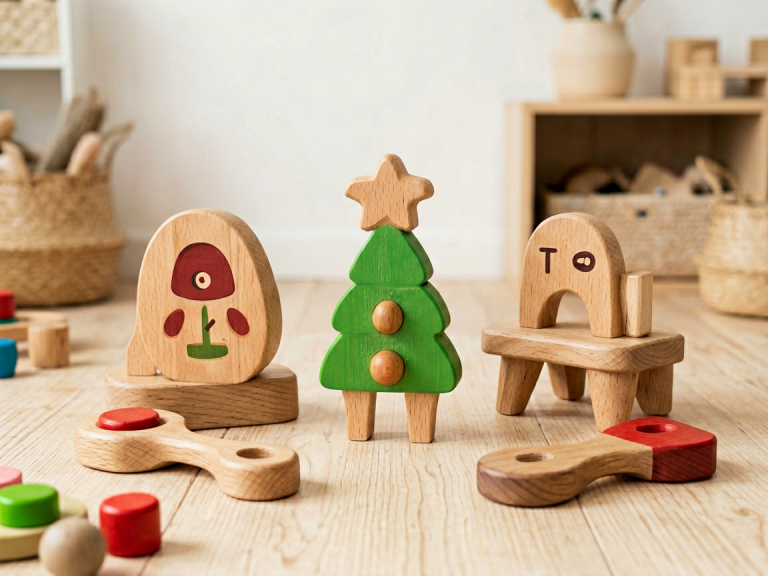
Cheap toys are not just physically and ethically problematic; they can also be detrimental to a child’s cognitive and emotional development. High-quality toys are often designed with educational principles in mind—they encourage open-ended play, creativity, problem-solving, and fine motor skills. Montessori blocks, for instance, are precisely shaped from natural wood to teach spatial reasoning and cause-and-effect relationships. In contrast, many cheap toys are “flashy” but shallow: they rely on loud noises, blinking lights, and repetitive actions that overstimulate without engaging a child’s mind. A cheap plastic toy that merely spins and makes noise offers little opportunity for invention or discovery. The child quickly becomes bored and moves on, craving the next cheap thrill.
Moreover, cheap toys frequently break or malfunction during play, interrupting the flow of imagination. A child building a castle with flimsy blocks that collapse at the slightest touch learns frustration rather than persistence. The lack of quality also affects social play: siblings or friends may argue over a toy that simply does not work as intended. Researchers in developmental psychology have found that the quality of play materials directly influences the depth of cognitive engagement. A well-designed toy can grow with a child, offering new challenges at different stages. Cheap toys, by contrast, are static and forgettable. The savings on price become a loss in developmental opportunity.
The Financial Illusion: Penny Wise, Pound Foolish
Finally, the economic argument for buying cheap toys crumbles under scrutiny. While the upfront cost is low, the total cost of ownership is often higher. Consider a plastic toy car that costs $2 and breaks after two weeks, versus a die-cast metal car costing $10 that lasts for years. Over three years, the cheap option requires replacing the car every two weeks—that’s 78 replacements, totaling $156. The higher-quality car, if not lost or broken through extreme misuse, costs one-tenth of that. The same logic applies to puzzles, board games, dolls, and construction sets. Cheap toys also tend to be less engaging, which means they are quickly discarded, leading to more purchases. In contrast, children often develop deep attachments to a few high-quality toys, playing with them repeatedly over years.
Furthermore, the hidden costs of cheap toys include medical bills from choking incidents or chemical exposure, the expense of replacing broken items, and the intangible cost of environmental damage, which eventually comes back to society in the form of cleanup taxes and health care. The cheapest toy today may look like a bargain, but it is often the most expensive in the long run. Smart budgeting is not about minimizing the initial price but maximizing the value per use. A toy that costs $20 but provides 1,000 hours of creative play (2 cents per hour) is far cheaper than a $1 toy that entertains for 10 minutes (60 cents per hour).
Conclusion: Rethinking the Definition of Value
The problems with buying cheap toys are systemic and serious. From safety hazards that endanger children’s health, to environmental pollution that burdens our planet, to ethical failings that exploit workers, to developmental shortcomings that cheapen play—the case against disposable toys is overwhelming. None of this is meant to shame parents who are struggling financially. The blame lies with an industry that prioritizes profit over quality and a consumer culture that equates low price with good value. However, awareness is the first step toward change.
Instead of chasing the lowest price, parents and caregivers can seek alternatives: second-hand toys from trusted sources, toy swaps within communities, renting toys from libraries, or investing in a smaller number of well-made, open-ended toys that foster creativity and longevity. Choosing quality over quantity benefits a child’s health, the planet, workers’ dignity, and ultimately the family budget. The true value of a toy is not what it costs at the register but what it gives back in safe, joyful, and enriching play. The next time a bargain toy calls out from the shelf, remember the hidden costs—and choose wisely.