Top Mistakes to Avoid When Choosing Durable Toys: A Parent’s Guide to Long-Lasting Play
Introduction
Selecting toys for children is one of the most rewarding yet challenging responsibilities a parent faces. Beyond the initial excitement of unwrapping a new plaything, every caregiver hopes the toy will withstand hours of active use, occasional rough handling, and the test of time. Durable toys are not just about saving money—they contribute to sustainable consumption, reduce waste, and provide consistent learning opportunities. However, many well-intentioned purchases end up broken, discarded, or ignored within weeks. The problem is not that durable toys are hard to find; it is that common mistakes in the selection process lead buyers astray. This article explores the most frequent errors parents and gift-givers make when choosing durable toys, offering practical guidance to ensure every purchase is built to last.
Mistake #1: Prioritizing Price Over Material Quality
One of the most pervasive mistakes is equating a low price with a good deal. While budget-friendly toys seem economical, cheap materials often compromise durability. Plastic toys made from thin, brittle polymers crack under stress, and low-quality metal parts rust quickly. For example, a two-dollar plastic car might shatter after a single tumble down the stairs, whereas a slightly more expensive version made from high-density polyethylene or acrylonitrile butadiene styrene (ABS) can survive repeated drops. Parents should look beyond the price tag and examine the material composition. Wooden toys, for instance, vary widely: solid hardwoods like maple or beech are far more resilient than pine or particleboard, which splinter easily. Checking product labels for terms like “food-grade silicone,” “natural rubber,” or “FSC-certified wood” indicates better longevity. Spending a few extra dollars upfront often translates into years of use, making it a true investment rather than an expense.
Mistake #2: Ignoring Age-Specific Design and Safety Standards
A toy that is durable in one context may be dangerous or easily broken in another if it is not designed for the child’s developmental stage. Many parents buy toys marked for older children because they appear sturdier, not realizing that small components can become choking hazards for toddlers, or that the toy’s complexity frustrates younger users and leads to mishandling. Conversely, a baby rattle that is too simple for a four-year-old will be subjected to twisting, throwing, and bending, causing premature failure. Always check the manufacturer’s recommended age range, but also consider the child’s unique behavior. For example, a toddler who loves to throw objects needs soft, flexible toys made from rubber or silicone, while a preschooler who enjoys building requires interlocking blocks with tight tolerances. Additionally, ensure the toy meets safety standards such as ASTM F963 (United States) or EN 71 (Europe), which mandate durability tests like drop, impact, and torque resistance. Ignoring these guidelines not only risks breakage but also child safety.
Mistake #3: Overlooking Structural Integrity and Joints
Even toys made from premium materials can fail if their construction is weak. A common oversight is focusing only on the main body while neglecting how parts are joined. Toys with glued connections, thin plastic hinges, or snap-fit components that lack reinforcement are prone to separation. For instance, dollhouse furniture with minuscule wooden pegs glued into holes will wobble and detach after minimal use. Similarly, action figures with articulated limbs connected via simple ball joints often pop apart when twisted. Inspect the toy in-store or through close-up images online: look for screws, rivets, or interlocking mechanisms that are mechanically fastened rather than merely glued. For wooden toys, check that joints are doweled and glued correctly, or that metal screws are used for load‑bearing parts. Soft toys should have reinforced seams—double stitched and with bar tacks at stress points. A well‑constructed toy might cost more, but it avoids the heartbreak of a favorite doll losing an arm on the first day.
Mistake #4: Disregarding Environmental Factors and Toy Storage
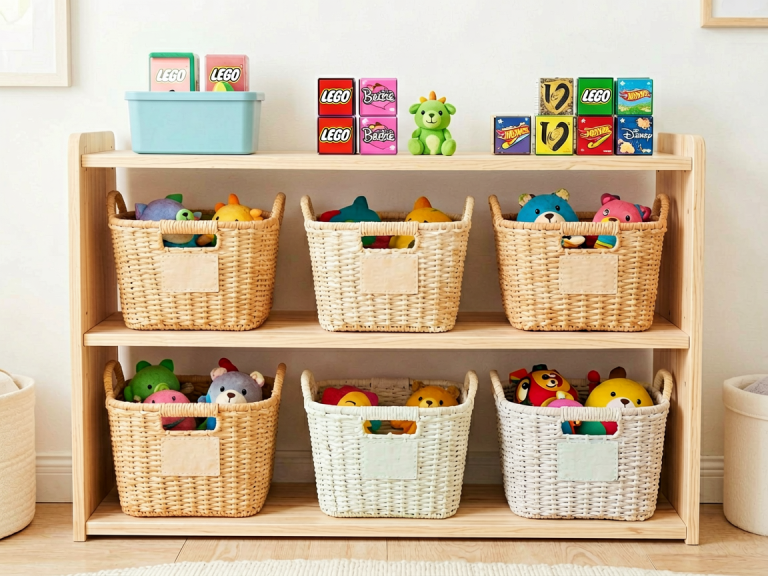
Durability is not solely about how the toy handles active play; it also depends on the environment where the toy lives. Many parents fail to consider moisture, sunlight, temperature extremes, and dust. Toys left outdoors or near windows can warp, fade, or weaken. Plastic toys containing polyvinyl chloride (PVC) may become brittle after prolonged UV exposure, while wooden toys can crack in dry indoor heat or swell in humid bathrooms. Even sturdy metal toys can rust if stored in damp basements. A second common environmental mistake is poor storage: toys piled haphazardly in bins without separation can scratch, chip, or bend each other. Choosing durable toys means thinking ahead: opt for UV‑stabilized plastics, water‑resistant coatings on wood, and rust‑proof stainless steel or aluminum. Also, invest in proper storage solutions—soft baskets for plush toys, divided compartments for building sets, and padded cases for electronic components. By matching the toy’s material to its intended environment, you double its lifespan.
Mistake #5: Falling for Trendy Designs Without Assessing Repairability
The allure of the latest licensed character or viral toy often blinds buyers to the question: “Can this be fixed if it breaks?” Many trending toys are designed as disposable items, with sealed electronics, proprietary batteries, or molded single‑piece bodies that cannot be opened. When a button stops working or a wheel falls off, the entire toy becomes e‑waste. Durable toys, in contrast, are repairable. Look for toys with replaceable batteries (standard AA/AAA rather than soldered‑in lithium cells), removable parts that can be ordered separately, and visible screws that allow access to internal mechanisms. Wooden puzzles with peels and stickers should have non‑toxic, removable finishes so that loose parts can be reglued. Brands that offer spare parts or repair guides demonstrate a commitment to longevity. Avoid toys with complex electronics that are not designed for service—once the novelty fades, they often end up in the trash. Instead, choose classic, open‑ended toys that encourage imagination and can be easily mended with simple household tools.
Mistake #6: Neglecting Cleaning and Maintenance Requirements
A toy that is technically durable but impossible to clean becomes unsanitary and unappealing, leading to early disposal. Many parents overlook how a toy’s surface and internal structure handle dirt, spills, and germs. Porous materials like untreated wood, fabric with inaccessible crevices, and toys with felt or fur that trap crumbs can harbor bacteria and mold. For example, a plush teddy bear with embroidered eyes and a zippered seam may seem durable, but if it cannot be machine washed, it will accumulate dust mites and stains. Similarly, bath toys with small drainage holes often grow mildew internally. When choosing durable toys, prioritize those that are easy to clean: smooth, non‑porous surfaces like silicone, hard plastic, or sealed wood; machine‑washable fabric components; and toys that can be disassembled for thorough drying. Check product care instructions before purchase. Some “durable” wooden building blocks have a matte finish that absorbs juice, whereas a lacquered surface wipes clean. Maintaining toys through regular cleaning not only extends their life but also keeps them safe for children.
Mistake #7: Assuming That Heavy Weight Equals Durability
A counterintuitive error is believing that a heavy toy is automatically sturdier. While weight can indicate denser materials, it can also hide cheap fillers or poor construction. Some manufacturers add weight with metal plates, concrete, or heavy plastic that does not improve structural integrity. For instance, a large, heavy toy truck made from low‑grade recycled plastic may feel substantial but crack along stress lines because the material lacks flexibility. Conversely, lightweight toys made from high‑impact nylon or reinforced fiberglass can withstand tremendous force. Focus on material properties rather than weight: polycarbonate (used in bulletproof glass) is lightweight and nearly unbreakable, while aluminum is light and corrosion‑resistant. When testing a toy in a store, flex it gently, look for thin walls, and check if the heaviness comes from functional internals (like motors) or from dead weight. A truly durable toy balances appropriate weight with robust engineering.
Mistake #8: Overlooking Multi‑Functionality and Long‑Term Engagement
Durability is not just physical resistance—it also involves a toy’s ability to hold a child’s interest over time. A toy that is thrown aside after a week because it is too simple or too repetitive will not be “used” long enough to test its physical endurance. Many parents choose toys with a single purpose (e.g., a battery‑operated singing animal) that quickly loses appeal, whereas open‑ended toys like building bricks, magnetic tiles, or art supplies remain engaging for years. These toys are often physically durable because they are designed for repeated assembly, disassembly, and creative abuse. When evaluating a toy, ask: “Will this still be played with in a year?” If the answer is no, the toy’s potential lifespan is cut short by disinterest rather than breakage. Invest in toys that grow with the child—those that can be used in multiple ways, that encourage problem‑solving, and that allow for increasing complexity. A durable toy must first be a beloved toy.
Mistake #9: Trusting Brand Names Without Investigating Warranty and Customer Support
Familiar brand names often signal quality, but not all well‑known companies stand behind their products equally. Some large retailers sell toy lines under their own label that look identical to premium brands but have significantly lower durability standards. Without reading reviews or checking warranty policies, parents can be deceived. A brand that offers a generous warranty—such as a lifetime guarantee against breakage, replacement parts, or repair services—demonstrates confidence in its toy’s durability. For example, certain wooden toy companies will replace any broken piece for free, while plastic toy manufacturers rarely do so. Before buying, search for user reviews that mention breakages, and note how the company responded. Also check the availability of customer support: a responsive team that answers questions about material sourcing or repair instructions is a good sign. Avoid brands that are difficult to contact or that disclaim all responsibility. A toy may look durable in the box, but the true test is how the manufacturer handles failures.
Mistake #10: Failing to Consider the Child’s Actual Play Style
Finally, the most personalized mistake is choosing a toy based on an ideal of durability without matching it to the child’s unique habits. Some children are gentle and careful; others are energetic and experimental. A toy that survives a quiet playroom could be destroyed by a child who loves to throw, jump on objects, or use them as tools. For example, a delicate porcelain doll might be durable in the sense that it does not break easily during careful handling, but it is not suited for a toddler who enjoys sensory exploration. Similarly, a complex LEGO set with tiny pieces may be durable individually, but if the child constantly loses pieces, the set becomes incomplete and unsatisfying. Observe your child’s play patterns: if they tend to mouth toys, choose non‑toxic, large‑part alternatives; if they like to dismantle things, choose toys with reusable connectors rather than snap‑on parts. The most durable toy is one that fits seamlessly into the child’s daily life, so it is played with often and treated with the respect that comes from genuine enjoyment.
Conclusion
Choosing durable toys is an art that combines material science, child development, and practical foresight. By avoiding these ten common mistakes—ranging from price‑based decisions to ignoring repairability and personal play styles—parents can significantly extend the life of their children’s toys, save money, and reduce environmental waste. Remember that durability is not a single attribute but a holistic quality: it requires a toy to be physically strong, safe, cleanable, interesting, and well‑supported by its manufacturer. The next time you pick up a toy, pause and ask yourself whether it passes each of these tests. Your child’s playtime—and the planet—will thank you.