The Ultimate Guide to Choosing Durable Toys: What Every Parent and Educator Must Know
—
Introduction: Why Durability Matters More Than You Think
Every parent knows the bittersweet moment when a brand-new toy breaks on the second day of play. The snapped plastic arm, the jammed wheel, the shattered casing — these are not just small frustrations but genuine losses. Beyond the money wasted, broken toys generate non-biodegradable waste, disappoint children, and often lead to impulse repurchases that repeat the cycle. Yet in a market flooded with cheap, colorful, and often enticingly packaged products, distinguishing a truly durable toy from a fragile one is no easy feat.
Durability in toys means more than just “tough plastic.” It encompasses material quality, construction integrity, repairability, safety under repeated use, and the ability to withstand the unpredictable energy of children — from the gentle toddler who drops a block to the enthusiastic six-year-old who uses a toy car as a battering ram. Knowing what to look for before you buy can save money, reduce environmental impact, and ensure that playtime remains joyful rather than fraught with frustration. This guide breaks down the critical factors you must consider before choosing a durable toy.
—
1. Material Matters: The Foundation of Longevity
1.1 Plastics: Beyond the Surface
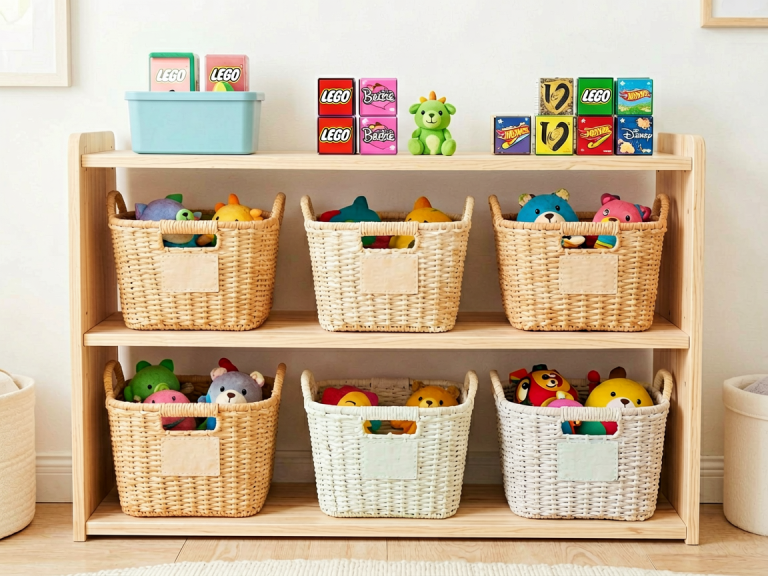
Not all plastics are created equal. The most common plastics used in toys are polypropylene (PP), high-density polyethylene (HDPE), and acrylonitrile butadiene styrene (ABS). ABS is favored for its strength and resistance to impact — it is the same material used in LEGO bricks and many high-quality action figures. In contrast, thin, brittle plastics (often recycled or mixed with fillers) snap easily under stress. Before purchasing, check the recycling code (usually stamped on the toy or packaging). Codes 2 (HDPE), 5 (PP), and 7 (ABS) are generally tougher than code 6 (polystyrene), which is notoriously fragile.
1.2 Wood: Natural and Strong, But Not Invincible
Wooden toys have an enduring charm and can last for generations when properly made. However, not all wooden toys are equal. Solid hardwood (beech, maple, oak) resists splintering and denting far better than softwoods like pine or plywood with thin veneers. Look for toys that have been sanded smooth and finished with non-toxic, water-based paints or oils rather than cheap varnishes that peel. Additionally, check for glued joints — are they reinforced with dowels or screws, or simply glued? A wooden block may be sturdy, but a wooden train cart held together by a single drop of glue will fail quickly.
1.3 Metal and Fabric: Hidden Weak Points
Metal toys (e.g., toy cars, trucks, construction sets) can be extremely durable, but watch for sharp edges and rust-prone coatings. Die-cast metal (like Hot Wheels or Matchbox cars) is strong but heavy — drop it on a tile floor and the metal may dent but not break, though the plastic wheels often pop off. Fabric toys (plush animals, soft dolls) should have double-stitched seams, reinforced stress points (e.g., where limbs attach), and machine-washable exteriors. Cheap stuffed animals often have thin cloth that rips open after a few washes, exposing loose stuffing that becomes a choking hazard.
—
2. Construction and Design: How It’s Put Together Defines Its Life
2.1 Joints and Connections: The Most Common Failure Points
Look carefully at how different parts are attached. Toys that rely solely on glue or simple snap-fit connections are prone to separation. Better designs use mechanical fasteners — screws, bolts, or interlocking tabs that require a tool to remove. For example, a toy car with axles held by metal pins rather than friction-fit plastic clips will survive rough play far longer. Similarly, wooden puzzles should have pieces that are cut from a single piece of wood with smooth edges, not glued layers that can delaminate.
2.2 Moving Parts: Gears, Wheels, and Hinges
Moving parts are the heart of many toys — and their greatest weakness. Gears made of thick, lubricated plastic or metal (found in high-end building kits) work smoothly for years. Cheap toy mechanisms, especially those found in battery-operated robots or remote-control cars, often use tiny, thin plastic gears that strip under torque. Before buying, manually rotate wheels or turn dials — do they move with resistance but without grinding? Push a toy car across a table — do the wheels wobble? A wobbly wheel means a poor bearing design that will fail.
2.3 Weight and Balance: A Surprising Indicator
Pick up the toy. A surprisingly lightweight toy for its size is often a sign of thin plastic walls and hollow construction. Durable toys tend to feel solid without being excessively heavy. For example, a medium-sized doll from a reputable brand may weigh 300–400 grams, while a budget equivalent might weigh half that. The weight difference often reflects the thickness of the plastic shell and the presence of internal reinforcement ribs. However, be cautious — a toy that is too heavy can be a safety hazard if dropped.
—
3. Age Appropriateness and Usage Patterns
3.1 Matching Durability to Age: Toddlers vs. School-Age Children
Durability needs change dramatically with age. For infants and toddlers (0–3 years), toys must withstand dropping, throwing, and chewing. Soft fabric blocks, silicone teethers, and hardwood rattles are ideal. Avoid toys with small parts that can break off. For preschoolers (3–5), toys endure more vigorous manipulation — imagine a child trying to stuff a toy car into a truck bed repeatedly. Look for vehicles with reinforced axles and large, thick wheels. For school-age children (6+), toys often face intentional “stress testing” (like seeing how high a remote-control car can be dropped). Here, metal components, high-impact ABS plastic, and modular designs that allow replacement parts are crucial.
3.2 Play Style: The “Sturdy Scale”
Every child plays differently. Some are gentle; others are destructive by nature (and that’s okay!). If your child regularly lines up toys in meticulous rows, even a moderately durable toy will last. But if they tend to throw, crash, and stomp, prioritize toys with shock-absorbing features: rubber bumpers, flexible plastic joints, and soft wheels. Consider “open-ended” toys like building blocks or magnetic tiles — they rarely break because the play is constructive, not impact-oriented.
3.3 Multi-User and Shared Toys: Expect More Abuse
Toys used in daycare, preschool, or by siblings require an extra level of toughness. A toy that survives one child may fail under two. For shared environments, look for toys marketed as “commercial grade” or “preschool certified.” Brands that supply toys to educational institutions often use thicker plastics, reinforced stitching, and replaceable components. Check for certification marks like ASTM F963 (the US toy safety standard) or EN 71 (European standard), but note that these focus on safety, not durability — they are a minimum baseline.
—
4. Repairability and Replaceability: The Key to True Longevity
4.1 Can You Fix It?
The most durable toy is one that can be repaired. Before buying, ask: Are there screws accessible? Can I buy replacement batteries (and are they standard size)? Some high-end toy brands sell individual parts — a wheel, a gear, a limb. LEGO is the classic example: you can buy any missing brick from their online store. Conversely, many cheap electronic toys are designed to be thrown away when a battery dies or a wire snaps because the casing is glued shut. If a toy has a sealed battery compartment that requires a screwdriver, that’s a good sign — it means you can replace the batteries rather than the whole toy.
4.2 Modularity and Expansion
Toys that allow add-ons or customization tend to stay relevant longer. A toy train system where you can buy new tracks, cars, or engines creates a growing ecosystem; if a car breaks, you can often swap the motor or wheels. Magnetic building tiles (e.g., Magna-Tiles) are exceptionally durable because they have no tiny parts to break and the magnet encasement is thick. Even if a tile cracks, the magnets are rarely lost.
4.3 Cleaning and Maintenance
Durability also means resistance to wear from cleaning. Toys that can be tossed in the dishwasher (like many silicone or hard plastic toys) or washed in the washing machine (like fabric dolls with removable clothing) will last longer because they can stay hygienic. Toys that say “wipe clean only” often degrade quickly when moisture is involved — rust on metal parts, peeling paint on wood, fraying fabric.
—
5. Safety and Hidden Dangers of “Durable” Toys
5.1 Phthalates, BPA, and Lead: Durability Does Not Mean Toxicity
A very durable plastic toy might contain harmful chemicals to make it more flexible or heat-resistant. For example, phthalates are often added to soft plastic toys to prevent cracking — but they are endocrine disruptors. BPA is used in some hard polycarbonate plastics. Always look for “BPA-free” and “phthalate-free” labels, and prefer toys made of natural materials (wood, organic cotton) or certified safe plastics like food-grade silicone. Painted toys should be tested for lead — especially older or imported toys. A toy that feels indestructible but leaches toxins is not a good choice.
5.2 Choking Hazards and Small Breakable Parts
Ironically, very durable toys can become dangerous if they do break. A heavy wooden block that takes a long time to wear down may eventually splinter, and a metal toy that cracks may produce sharp edges. Inspect toys regularly for stress marks. Avoid toys that have small components glued on — buttons, eyes, wheels — that could become detached after repeated use. Good durable toys have small parts embedded (e.g., stuffed animal eyes that are locked with washers inside the fabric) rather than glued.
5.3 Surface Finish and Edge Safety
The durability of a surface finish matters for safety. A toy with a hard, glossy finish may chip more easily than one with a matte, textured finish. Chipped paint can be ingested. Likewise, sharp edges on plastic or metal toys can appear after a crack. Choose toys with rounded edges, soft corners, and smooth surfaces. If a toy has a metallic part that could rust, ensure it is stainless steel or coated with a non-toxic, chip-resistant layer.
—
6. Long-Term Value and Sustainability: Durability Beyond the Toy Box
6.1 Cost Per Play: The Real Price
The purchase price is only half the story. A $50 wooden dollhouse that lasts 10 years has a cost per play that is miniscule compared to a $10 plastic dollhouse that cracks in three months. To calculate value, estimate how many times your child will likely use the toy per year, multiplied by years of expected life. A good rule of thumb: a durable toy should survive at least three times longer than its cheaper alternative to justify a 2x price tag. For battery-operated toys, factor in the cost and environmental impact of replaceable batteries — rechargeable options are better.
6.2 Resale and Hand-Me-Down Potential
One hidden advantage of durable toys is their resale value. High-quality brands like LEGO, Playmobil, Melissa & Doug, and wooden toy makers retain significant value on secondhand markets like eBay or Facebook Marketplace. Even after a few years, a well-maintained toy can be sold for 40–60% of its original price. If you think of it as an investment, a durable toy may cost only 30% more upfront but recoup 50% on resale — making it cheaper in the net.
6.3 Environmental Impact
Every broken cheap toy ends up in a landfill, taking hundreds of years to degrade. Durable toys reduce waste. Additionally, many durable toy manufacturers now use sustainable practices: FSC-certified wood, recycled plastics, and packaging that is minimal and recyclable. When you choose durability, you also choose lower environmental footprint — provided the toy is made from non-toxic, recyclable materials.
—
Conclusion: The Mindful Buyer’s Checklist
Before you hand over your credit card, run through this mental checklist:
- Material: Is it solid wood, thick ABS, or die-cast metal? Avoid thin polypropylene and brittle polystyrene.
- Construction: Are joints screwed, not just glued? Are moving parts robust? Is the toy free of wobbles?
- Age and Play Style: Will it survive your child’s typical abuse? Does the age match the design strength?
- Repairability: Can you fix a broken wheel or buy a replacement part? Is the battery compartment accessible?
- Safety: Is it free from toxins? Are small parts embedded? Are edges rounded?
- Value: Will it last years, or months? Can it be handed down or resold?
Durable toys are not just purchases; they are investments in happier play, fewer headaches, and a healthier planet. The next time your child begs for that flashy, cheap plastic toy, you’ll know exactly what to look for — and what to avoid. Choose wisely, and that toy may well become a cherished companion that survives not only childhood, but the memories that come after.