Beyond the Box: Safer and Smarter Alternatives to Toy Subscription Services
Introduction
In recent years, toy subscription boxes have exploded in popularity. Parents love the convenience of having new, curated toys delivered to their doorsteps every month, promising novelty and developmental benefits for their children. However, beneath the glossy packaging and cheerful marketing, concerns are mounting. Reports of choking hazards, toxic chemicals, poor-quality materials, and even lead contamination have made many families question whether these subscription services are truly safe. Moreover, the environmental toll of single-use packaging and the constant stream of plastic toys has led to a growing demand for alternatives that prioritize both child safety and sustainability. This article explores several safer, more thoughtful alternatives to toy subscription boxes—options that empower parents to make informed, health-conscious choices without sacrificing the joy of discovery.
Why Toy Subscription Boxes Can Be Risky
Before diving into alternatives, it is worth understanding the specific risks associated with toy subscription boxes. First, many subscription services source their products from multiple, often overseas manufacturers, making it difficult to enforce consistent safety standards. A toy that passes basic regulatory checks in one country may still contain phthalates, BPA, or other endocrine disruptors banned elsewhere. Second, the “surprise” element means parents cannot vet each item before their child opens it. Small detachable parts, sharp edges, or magnets can pose serious dangers, especially to toddlers who mouth everything. Third, subscription boxes frequently include cheap, disposable toys designed to impress but not to last—leading to broken pieces that become choking hazards. Finally, the sheer volume of toys accumulating in homes not only clutters living spaces but also overwhelms children, reducing their ability to engage deeply with any single toy. For these reasons, many parents are seeking safer, more intentional ways to provide play experiences.
Safer Alternative 1: Toy Libraries – Borrow, Play, Return
One of the most compelling alternatives to toy subscription boxes is joining a local toy library. Modeled after public book libraries, toy libraries allow families to borrow toys for a fixed period, then return them and check out something new. This system eliminates the risks associated with unknown, unvetted toys because reputable toy libraries carefully inspect and sanitize each item. They often stock high-quality, durable toys from established brands known for safety certifications (e.g., ASTM, CE, EN71). By borrowing rather than owning, parents avoid the accumulation of untested plastics and reduce exposure to off-gassing chemicals. Moreover, toy libraries frequently offer age-appropriate recommendations, educational toys, and even sensory items for children with special needs. The cost is usually a modest annual membership fee—far cheaper than a monthly subscription—and the environmental benefit is significant: fewer toys end up in landfills. For families in areas without a physical toy library, online toy rental services (such as Toy Libraries USA or similar platforms) provide a curated, safe alternative with strict hygiene protocols.
Safer Alternative 2: Open-Ended and DIY Play Kits
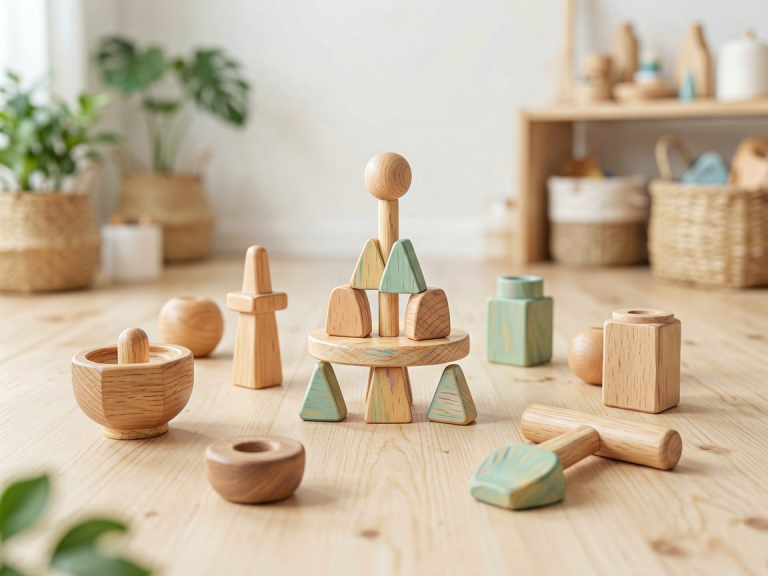
Instead of subscribing to mystery boxes, parents can create their own “play kits” using open-ended materials that are inherently safer and more developmentally valuable. Open-ended toys—such as wooden blocks, silicone stacking cups, natural fabric dolls, and simple puzzles—do not require batteries, small plastic parts, or complex mechanisms. They encourage creativity, problem-solving, and fine motor skills without the hidden dangers of cheap mass-produced items. For a safe alternative, parents can assemble a rotating collection of these toys from trusted brands like Grimm’s, PlanToys, or Lovevery (which, ironically, is a subscription box but one that focuses heavily on safety and natural materials—though the principle of choosing your own can still be applied). DIY alternatives are even safer: homemade playdough using flour, salt, and food coloring; sensory bins filled with rice, beans, or water (supervised); and cardboard box forts. These cost next to nothing and are completely free from toxic additives. By rotating these items weekly, children experience novelty without exposure to unknown chemicals. Additionally, parents can purchase individual high-quality toys secondhand from certified resellers, ensuring they meet safety standards while saving money.
Safer Alternative 3: Themed Discovery Bags – Curated by You
For families who love the “surprise” element of subscription boxes but want control over safety, creating personalized themed discovery bags is an excellent solution. Once a month, a parent can prepare a fabric bag or a simple cardboard box containing 3–5 carefully selected items around a theme—such as “ocean creatures,” “construction vehicles,” or “music makers.” The key is sourcing each item from reputable, safety-tested sources. For example, choose a wooden fish from a fair-trade brand, a silicone whale teether, and a non-toxic coloring book about marine life. This approach allows parents to vet every item for choking hazards, chemical composition, and durability. It also fosters intentionality: instead of receiving random plastic trinkets, the child learns to anticipate a meaningful theme. The discovery bag can be wrapped in a reusable scarf or stored in a labeled bin, adding to the excitement. This alternative costs roughly the same as a low-end subscription but eliminates the worry of unknown toxics. Moreover, parents can involve older children in the curation process, teaching them about safe materials and ethical consumption.
Safer Alternative 4: Community Toy Swaps and Consignment Events
Another safe, cost-effective alternative is participating in community toy swaps or consignment sales. Many neighborhoods, churches, or parenting groups organize seasonal events where families bring gently used toys and trade them for “tokens” to pick up others. The advantage here is that used toys have already been through the test of time: if they were hazardous, they would likely have been recalled or broken. Additionally, parents can inspect each item closely before bringing it home—checking for loose parts, wear, or rust. To ensure safety, it is advisable to only swap toys that originally came from well-known brands with safety certifications. Avoid homemade or vintage toys that may contain lead paint (pre-1978 items) or small magnets. Online platforms like Facebook Marketplace or Nextdoor also offer local buy-nothing groups where toys are given away for free. By limiting exchanges to trusted communities, parents can refresh their children’s toy collection without exposing them to the unknowns of a subscription box. Environmentally, this reduces plastic waste and supports a circular economy.
Safer Alternative 5: Educational Activity Subscriptions (Non-Toy)
For families who still crave the monthly delivery experience but are wary of physical toys, consider subscription services that focus on activities rather than toys. Examples include KiwiCo’s craft crates (which provide non-toxic materials for science experiments and art projects), Little Passports’ geography journeys (featuring paper maps and stickers), or Raddish Kids’ cooking kits (with child-safe utensils and recipes). These services emphasize hands-on learning using materials that are typically non-toxic, disposable, or easily recyclable. The safety risk is much lower because the “product” is an experience—coloring pages, paper cutouts, food-grade ingredients—rather than plastic objects that may leach chemicals. Parents still need to supervise young children with any small items (e.g., beads in a craft kit), but the overall profile is safer than a mystery box of unvetted toys. Additionally, many of these services clearly list their material sourcing and safety certifications on their websites, allowing parents to make informed choices.
Conclusion: Choosing Safety Over Surprise
Toy subscription boxes undoubtedly offer convenience and excitement, but the potential health and environmental costs have prompted a necessary reevaluation. Safer alternatives exist—and they are often more enriching, more sustainable, and more budget-friendly. Toy libraries provide access to vetted, high-quality items; open-ended DIY kits foster creativity without toxins; themed discovery bags give parents full control; community swaps reduce waste and cost; and educational activity subscriptions offer hands-on learning without risky plastics. By shifting away from the allure of “surprise” and toward intentional selection, parents can protect their children’s well-being while still delivering the joy of a new play experience. The best gift we can give our children is not a box of unknown toys, but a safe environment where their curiosity can thrive.
Start with the complete guide: Beyond the Box: The Best Alternatives to Toy Subscription Services.