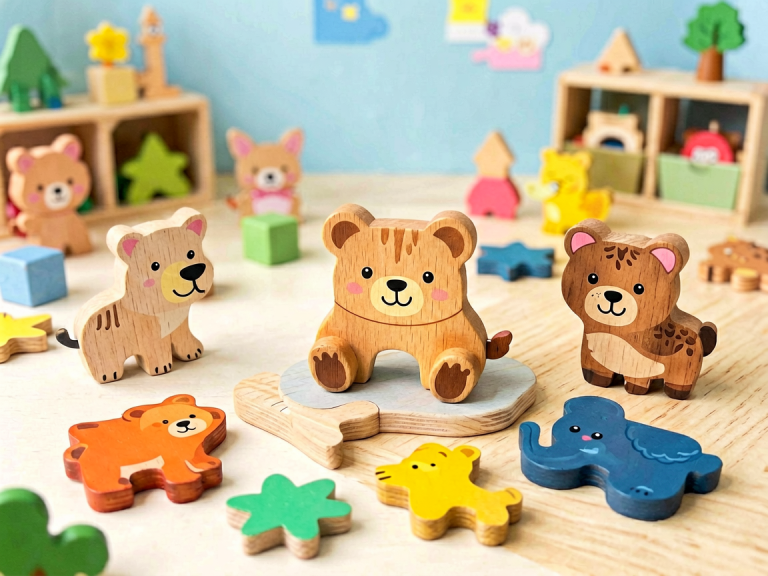
Beyond the Screen: Smart Budget Alternatives to Tablet Games That Spark Real Fun
Introduction: The High Cost of Digital Play
In an era where sleek tablets have become the default babysitter, entertainer, and even educator for children and adults alike, the allure of tablet games is undeniable. With thousands of apps offering vivid graphics, instant feedback, and endless levels, it is easy to see why so many households have embraced digital gaming. However, the hidden costs—both financial and developmental—are often overlooked. A decent tablet can set you back several hundred dollars, premium games require in-app purchases or subscriptions, and the cumulative effect on posture, eyesight, and social interaction is well documented. For families on a tight budget, or for anyone seeking a more intentional, less screen-centric lifestyle, finding budget alternatives to tablet games is not just a money-saving tactic—it is a gateway to richer, more engaging experiences. This article explores a wide range of low-cost substitutes that rival tablet games in entertainment value while offering tangible benefits that no app can replicate.
The Case for Cutting the Cord: Why Leave the Tablet Behind?
Many parents and budget-conscious adults assume that tablet games are the cheapest form of entertainment available. After all, a free puzzle app costs nothing. But the hidden expenses quickly accumulate: broken screens, battery replacements, and the constant pressure to buy the next "premium" version or remove ads with a paid subscription. Moreover, the opportunity cost is significant. Hours spent swiping and tapping could be redirected toward activities that develop fine motor skills, creativity, and interpersonal connections. Budget alternatives to tablet games do not require sacrificing fun; they simply redirect that fun into tangible, often reusable, and sometimes even social experiences. By investing a small amount upfront in physical games, craft supplies, or outdoor equipment, you can save money in the long run while offering a richer variety of play.
Low-Tech Classics: Board Games, Card Games, and Puzzles
One of the most obvious—and most effective—budget alternatives to tablet games is the humble board game. Unlike digital games that rely on electricity and updates, a classic board game set can last for decades. Thrift stores, garage sales, and online marketplaces often sell used board games for a fraction of their retail price. Games like chess, checkers, Scrabble, and Uno require no batteries and teach strategic thinking, patience, and social etiquette. For children, cooperative board games (where players work together to achieve a common goal) foster teamwork without the competitive stress that can accompany tablet shooters or racing games.
Card games are even more affordable. A single deck of standard playing cards costs less than two dollars and can be used for hundreds of different games—from Go Fish and Crazy Eights to Poker and Bridge. Puzzle enthusiasts can find large jigsaw puzzles at dollar stores or second-hand shops. Unlike a tablet game that provides instant gratification, a physical puzzle encourages persistence, spatial reasoning, and the quiet satisfaction of completing a tangible image. These activities also naturally limit screen time because they require focused attention in the real world.
DIY Creativity: Crafting and Building Your Own Games
For those who enjoy making things with their hands, do-it-yourself (DIY) projects offer some of the most engaging budget alternatives to tablet games. Instead of downloading a digital drawing app, invest in a sketchbook and a set of colored pencils. Instead of playing a virtual construction game like Minecraft, buy a bag of wooden blocks or even recycle cardboard boxes to build forts, castles, or marble runs. The beauty of DIY is that the materials are often already lying around the house: paper, tape, string, old magazines, and bottle caps can be transformed into board games, mazes, or even simple role-playing accessories.
One particularly creative alternative is to design your own board game. With poster board, markers, and a few coins or buttons as tokens, a child can invent a unique game with its own rules, characters, and goals. This process mirrors the creativity behind many tablet games but without the digital constraints. Similarly, making homemade Play-Doh or slime provides sensory stimulation that no app can replicate. For older kids and adults, model-building kits—whether for airplanes, cars, or miniature dioramas—offer hours of concentration and a satisfying end product. These activities cost a fraction of what a new tablet game would, and they teach resourcefulness and problem-solving.
Active Play: Outdoor and Physical Alternatives
Tablet games often keep players sedentary for long periods, which is linked to obesity, eye strain, and reduced cardiovascular health. Budget alternatives that get people moving are not only cheaper but also healthier. A simple jump rope costs under five dollars and can provide the same quick-hit entertainment as an endless runner game. A frisbee, a soccer ball, or a set of badminton rackets can turn a backyard or park into a gaming arena. For families, classic outdoor games like tag, hide-and-seek, capture the flag, or hopscotch require no equipment at all. These games develop gross motor skills, coordination, and social bonding in a way that staring at a screen cannot.
Even for adults, active alternatives exist. Geocaching—a real-world treasure hunt using GPS coordinates—can be done with a smartphone you already own (no tablet needed) and a free app. It combines the thrill of discovery with outdoor exercise. Similarly, disc golf is often played for free in public parks, with discs costing about ten dollars each. Compared to the ongoing costs of tablet game subscriptions, these activities are virtually free after the initial purchase. They also encourage exploration, fresh air, and a break from indoor monotony.
Educational Substitutes: Learning Without a Screen
Many parents turn to tablet games because they claim to be educational. While some apps do teach literacy or math, research shows that hands-on learning is often more effective. Budget alternatives that emphasize education include flashcards, workbooks, and science experiment kits from discount stores. But you do not need to buy anything special. Simple activities like sorting buttons by color, counting coins, or reading a physical book together provide the same cognitive benefits without the eye strain or distraction of digital ads.
For older children and adults, learning a new skill can replace tablet gaming. Instead of playing a simulation game about cooking, practice cooking a real meal with inexpensive ingredients. Instead of a language-learning app, use a second-hand phrasebook and practice with a native speaker or online language exchange (which is free). Puzzles like Sudoku, crosswords, and logic problems are available in cheap paperbacks or printable for free online. These alternatives not only cost little but also develop deep focus and memory retention.
The Social Factor: Group Games That Bring People Together
One major drawback of tablet games is that they are often solitary or limit interaction to anonymous online opponents. Budget alternatives that involve group play can strengthen relationships. Hosting a game night with friends using borrowed board games, playing charades, or organizing a trivia quiz with homemade questions costs nothing if you use existing resources. For children, simple group games like "Simon Says," musical chairs, or a scavenger hunt around the house require zero monetary investment and offer laughter and cooperation.
Another idea is to start a book club, a craft circle, or a walking group. These activities replace the passive consumption of tablet games with active participation and connection. The cost is minimal—perhaps a library card and a pair of walking shoes. In an age where loneliness is rising, these social alternatives to tablet games provide emotional and mental health benefits that no digital experience can match.
Conclusion: Rethinking Entertainment for a Richer Life
The appeal of tablet games is understandable: they are convenient, colorful, and instantly available. But the true cost—financial, physical, and social—is often higher than we realize. By exploring budget alternatives to tablet games, from board games and DIY projects to outdoor play and educational hobbies, we can reclaim money, time, and well-being. These alternatives are not about deprivation; they are about rediscovering the joy of hands-on, face-to-face, and real-world experiences. Whether you are a parent trying to reduce screen time or an adult looking to save money, the solutions are abundant, affordable, and often more memorable than any app. So put down the tablet, pick up a deck of cards or a soccer ball, and discover that the best games do not require a charge—they require a spark of imagination.