Building Blocks of Wonder: Should You Buy LEGO-Style Bricks for a 3-Year-Old?
Introduction
The question "Should I buy LEGO-style bricks for a 3-year-old?" is one that many parents, grandparents, and caregivers find themselves pondering as they scan the colorful aisles of toy stores. At first glance, those iconic interlocking plastic bricks seem like the perfect gift: they promise creativity, fine-motor development, and hours of quiet play. Yet a three-year-old is not a five-year-old—or a ten-year-old. Their cognitive abilities, physical dexterity, and, most critically, their safety needs are profoundly different. This article explores the developmental benefits, potential risks, and practical considerations of introducing LEGO-style bricks to a toddler. By weighing expert opinions, age-appropriate alternatives, and real-world experience, you will be equipped to make an informed decision that supports your child’s growth while keeping playtime joyful and safe.
1. The Developmental Landscape of a Three-Year-Old
Before evaluating any toy, it is essential to understand what a typical three-year-old is capable of and what they are still mastering. At this age, children are in a period of rapid cognitive and motor development. They can usually stack a few blocks, enjoy simple puzzles, and engage in pretend play. However, their hand‑eye coordination is still emerging, their attention span is short (often 5–10 minutes per activity), and they are prone to putting small objects in their mouths—a behavior that peaks between 12 and 36 months.
Fine Motor Skills and Spatial Awareness
Standard LEGO bricks (the classic 2×4 or smaller pieces) require precise alignment and a certain amount of finger strength to push together and pull apart. For many three-year-olds, this can be frustrating rather than fun. They may succeed at stacking two or three bricks vertically, but more complex creations often lead to tears. On the other hand, larger “Duplo” bricks (which are twice the size of standard LEGO) are specifically designed for little hands. They click together with less force and are easier to separate, making them a much more appropriate match for a toddler’s developing pincer grip and wrist control.
Cognitive and Language Benefits
When used appropriately, building blocks—including LEGO-style bricks—can enhance problem-solving, spatial reasoning, and even vocabulary. A child who builds a tower learns about balance, gravity, and cause and effect. When you play alongside them, you introduce words like “under,” “on top,” “next to,” and “tall.” This kind of structured play supports early math concepts and language development. However, these benefits are maximized when the bricks are easy enough to manipulate that the child feels a sense of accomplishment, not defeat.
2. Safety: The Non‑Negotiable Factor
The most pressing concern for any toy given to a three-year-old is safety. Standard LEGO bricks are small enough to pose a choking hazard. According to the U.S. Consumer Product Safety Commission, toys intended for children under three must be large enough that they cannot fit inside a small‑parts test cylinder (approximately 1.25 inches in diameter). Classic LEGO bricks, while not overly tiny, are still considered a choking risk for children under three because of their shape and the fact that a determined toddler could bite off a small piece. In fact, many manufacturers clearly label standard LEGO sets “for ages 4+.”
Duplo: A Safer Alternative
LEGO’s own Duplo line is the company’s answer to this problem. Duplo bricks are about twice the size of standard bricks, making them too large to swallow. They are also made from slightly softer plastic, reducing the risk of injury if a child falls on a piece or throws it. For a three-year-old, Duplo is unequivocally the safer choice. If you are considering “LEGO-style bricks” from other brands (off‑brand or generic), you must be even more vigilant. Not all generic bricks meet the same safety standards. Some may have sharp edges, cheap dyes that can leach, or inconsistent sizing that makes them frustrating to connect. Always look for certifications like ASTM (American Society for Testing and Materials) or EN71 (European safety standard) on the packaging.
Small Accessories and Choking Hazards
Even with Duplo, many sets come with small figurines, wheels, or animal pieces that could be choking hazards. A three-year-old’s curiosity is boundless, and they will explore with their mouths. If you decide to buy Duplo for your child, you must supervise play closely, especially at first. Remove any pieces that are small enough to fit through a toilet paper roll (a common at‑home test) until your child is past the mouthing stage.
3. Emotional and Social Considerations
Play is not just about skills; it is about emotion. A three-year-old’s self‑esteem is fragile. If a toy is too difficult, they may become frustrated and lose interest. Conversely, if it is too simple, they may become bored. The “just right” challenge is crucial.
Frustration vs. Flow
Standard LEGO bricks often require adult assistance for a three-year-old to build anything beyond a simple tower. This can be a wonderful bonding opportunity if you enjoy building together, but it can also create dependency. The child may learn to rely on you to “fix” their creations rather than solving problems themselves. In contrast, Duplo allows a toddler to build independently—a small house, a bridge, a train track—and feel the pride of “I did it myself.” This boosts confidence and encourages perseverance.
Social Play with Siblings
If you have an older sibling who already plays with standard LEGO, a three-year-old may want to join in. In that case, you have two options: either provide Duplo that is similar in theme (e.g., a Duplo fire station next to the older child’s LEGO city) or risk the three-year-old sneaking tiny bricks into their mouth. Many families successfully use a “Duplo zone” on the floor and a “standard LEGO zone” on a high table, but supervision is non‑negotiable.
4. What the Experts Say
Child development specialists and occupational therapists generally agree that building blocks are excellent for toddlers—provided they are the right size. Dr. Amanda Gummer, a child psychologist and founder of the Good Play Guide, recommends Duplo as a “core toy” for ages 18 months to 5 years. She notes that the act of connecting bricks helps develop bilateral coordination (using both hands together) and that the open‑ended nature of blocks fosters creative thinking.
Comparison with Other Building Toys
While LEGO-style bricks are popular, they are not the only option. Wooden unit blocks (like those from brands such as Melissa & Doug or Hape) offer a different tactile experience. They do not click together, so they require a steady hand and an understanding of gravity. Wooden blocks are often larger and heavier, which some children prefer. Other alternatives include magnetic building tiles (like Magna‑Tiles), which are easier to connect and allow for vertical structures without the need for precise alignment. For a three-year-old, magnetic tiles may be even more forgiving than Duplo and can teach basic geometry. However, magnetic tiles can be expensive and the magnets can become loose over time—a potential hazard.
5. Practical Recommendations: To Buy or Not to Buy?
After considering development, safety, and expert opinions, the answer is not a simple “yes” or “no.” Here is a nuanced guide:
- Do buy Duplo (the larger LEGO-style bricks) if you want a toy that grows with your child, promotes fine motor skills, and allows for open‑ended creativity. Start with a basic set of 30–60 pieces, avoid sets with many tiny accessories, and supervise play. Duplo is compatible with standard LEGO, so your child can eventually transition to the smaller bricks around age 4–5.
- Do not buy standard LEGO bricks for a three-year-old unless you are willing to provide constant, undivided supervision and accept the choking risk. The frustration factor alone often outweighs the benefits.
- Consider alternative building toys like wooden blocks or magnetic tiles if you want a different sensory experience or if your child shows little interest in Duplo. All three options support developmental growth.
- Check for safety certifications if you opt for generic LEGO-style bricks. Stick with reputable brands that explicitly state “for ages 1.5–3” or “Duplo compatible.” Avoid very cheap knockoffs sold in bulk online—they may contain harmful chemicals (like phthalates or lead) or have sharp edges.
- Think about your child’s temperament. If your three-year-old is a careful, patient builder who enjoys stacking, Duplo could be a hit. If your child is a “destroyer” who loves knocking things down (which is perfectly normal), then a set of soft foam blocks might be a better starter.
6. Real‑World Tips for Successful Brick Play
If you decide to introduce LEGO-style bricks to your three-year-old, here are strategies to maximize fun and minimize frustration:
- Start with a small, manageable set. A bucket of 40–60 Duplo pieces is less overwhelming than a 200‑piece bucket. You can always add more later.
- Model play, but don’t dominate. Show your child how to stack two bricks, then let them imitate. Follow their lead. If they want to build a “snake” on the floor instead of a tower, that is fine.
- Use themes that interest your child. Duplo offers sets with animals, vehicles, and characters from popular shows (e.g., Peppa Pig, Thomas the Tank Engine). These can spark pretend play and storytelling.
- Keep play sessions short. A three-year-old’s attention span is limited. Stop when they show signs of fatigue or frustration, even if you are in the middle of a build.
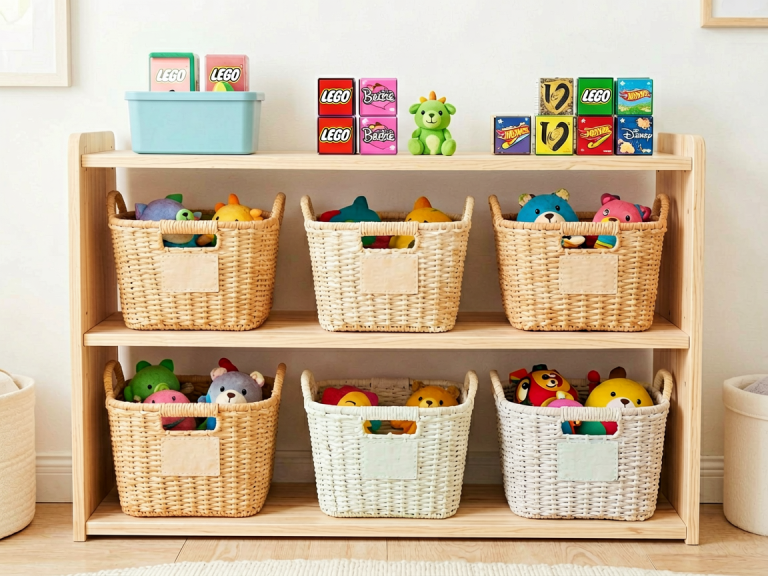
- Store bricks safely. Use a clear, lidded container so your child can see the pieces but cannot dump them all over the floor at once. Teach clean‑up as part of the routine.
- Clean bricks regularly. Toddlers love to put things in their mouths, and bricks can collect dirt and germs. Wash Duplo bricks in warm, soapy water and let them air dry.
Conclusion
So, should you buy LEGO-style bricks for a three-year-old? The answer is yes, but with important caveats. Choose the larger Duplo bricks, not standard LEGO. Prioritize safety by checking for choking hazards and certifications. Embrace the developmental benefits—fine motor skills, problem-solving, creativity—while recognizing that your child may need your guidance and patience. Ultimately, the best toy for a three-year-old is one that engages their curiosity, respects their physical limits, and invites you to play alongside them. With the right approach, those colorful bricks can become the foundation for a lifetime of joyful learning.
*Word count: approximately 1,580*