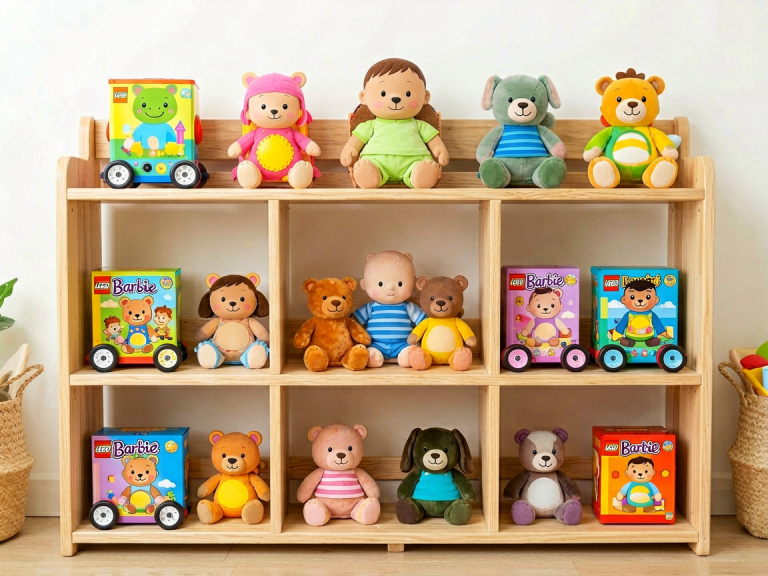
The Ultimate Guide to Electronic Learning Toys Worth Buying: Boosting Education Through Play
Introduction
In an age where screens dominate children’s attention, parents and educators face a common question: which electronic learning toys are actually worth the investment? Not all digital gadgets live up to their promises. Some entertain but fail to educate, while others overwhelm with flashy features. However, when designed thoughtfully, electronic learning toys can be powerful tools for cognitive development, problem-solving, and even social skills. This article explores the key factors that make an electronic learning toy truly valuable, offers specific categories and recommendations, and provides guidance on how to choose the right toy for different ages and learning needs. By the end, you will have a clear roadmap to navigate the market and invest in toys that combine fun with genuine educational benefits.
Why Electronic Learning Toys? The Educational Edge
Electronic learning toys have evolved far beyond simple alphabet puzzles or beeping calculators. Modern devices incorporate artificial intelligence, adaptive difficulty, and multisensory feedback, creating immersive learning experiences. Studies show that interactive toys can improve memory retention by up to 40% compared to passive instruction, because they engage children through immediate rewards, sound effects, and visual stimuli. Moreover, these toys often encourage self-paced learning—a child can repeat a lesson until mastery, without the pressure of a classroom timeline. For example, a programmable robot that teaches coding basics not only introduces logic but also fosters persistence and creativity. The key is that worthwhile electronic toys strike a balance between guided instruction and open-ended exploration, allowing children to experiment, fail safely, and discover solutions.
Key Features to Look For in Worthwhile Electronic Learning Toys
Before purchasing, consider these five essential criteria to separate high-quality products from mere novelties:
1. Age Appropriateness & Adaptability
A toy that is too simple will bore a child; one that is too complex will frustrate them. Look for toys with adjustable difficulty levels or those that grow with the child. For instance, a tablet-based learning system like LeapFrog’s LeapStart can shift from letter recognition in toddlerhood to early math and reading comprehension for school-age children.
2. Active Engagement over Passive Consumption
Avoid toys that simply play videos or recite facts without requiring input. The best electronic learning toys demand active participation—such as pressing buttons, solving puzzles, speaking into a microphone, or moving physical pieces. A talking globe that asks “Can you find Brazil?” and waits for a tap is far more effective than one that just narrates facts.
3. Feedback That Encourages Persistence
Immediate, constructive feedback helps children correct mistakes and stay motivated. A toy that says “Try again! You’re close!” is better than one that only beeps for correct answers. Some advanced toys even adjust the challenge based on performance, preventing frustration or boredom.
4. Screen-Free or Balanced Screen Use
Many parents worry about excessive screen time. Fortunately, many electronic learning toys use physical elements (cards, blocks, buttons) combined with minimal screens. For example, coding games like Osmo’s Coding Awbie use tangible tiles to control on-screen actions, blending physical play with digital responses.
5. Durability and Safety
Children drop, chew, and throw toys. Worthwhile electronic toys are built with sturdy materials, rounded edges, and securely enclosed batteries. Look for certifications like ASTM or CE. Additionally, consider whether the toy uses non-toxic materials and is free from small parts for younger users.
Top Categories of Electronic Learning Toys Worth Buying
1. Interactive Coding Robots
Coding toys like the Sphero Mini or Botley 2.0 teach sequencing, logic, and problem-solving through play. Instead of abstract commands, children drag and drop blocks on an app or give physical commands. These toys often include challenges that grow more complex, such as navigating mazes or making the robot dance. They introduce computational thinking without requiring any prior coding knowledge.
2. Talking Smart Gloves & World Explorers
Interactive globes (e.g., Oregon Scientific Smart Globe) use a stylus to tap countries, providing facts about culture, geography, and language. Some models even include quizzes and multiplayer modes. For younger children, toys like LeapFrog’s Magic Adventures Globe combine videos and animations to make learning about the world exciting.
3. Adaptive Math and Reading Tablets
Devices like the LeapFrog LeapPad or Amazon Fire Kids Tablet (with educational subscriptions) offer hundreds of games covering phonics, arithmetic, and science. The best ones use adaptive algorithms: if a child struggles with subtraction, the toy offers more practice in that area. Parents can monitor progress through companion apps.
4. Electronic Building & STEM Kits
Toys like the Snap Circuits Jr. or littleBits Rule Your Room Kit teach electronics, engineering, and physics. Kids connect modular components to build working circuits, alarms, or light sensors. The hands-on nature makes abstract concepts tangible. Many come with guided project books, but also allow free experimentation.
5. Language-Learning Storytellers
For bilingual families or early language exposure, devices like the Yoto Player or Pocket-Talk (a kid-safe translator) combine audio stories, music, and interactive quizzes. The Yoto Player uses physical cards that kids insert to play stories or educational content, offering a screen-free experience. Some models even allow recording personal stories.
Age-Specific Recommendations
Toddlers (1–3 Years)
Focus on cause-and-effect and sensory stimulation. VTech’s Touch & Learn Activity Desk offers interactive pages with lights and sounds, teaching letters and numbers. The Fisher-Price Smart Stages Puppy introduces colors, shapes, and emotions through touch sensors. Keep in mind that toddlers need supervision to prevent mouthing on small parts.
Preschoolers (3–5 Years)
At this age, children benefit from toys that promote language development and basic math. LeapFrog’s Letter Factory talking toy teaches phonics through song. The Osmo Little Genius Starter Kit combines physical pieces with an iPad to teach letters, shapes, and creativity. Another great pick is the Think & Learn Code-a-pillar, which lets kids arrange segments to make the caterpillar move—a simple introduction to sequencing.
School-Age (6–10 Years)
This is the sweet spot for more complex learning toys. The Kano Computer Kit allows children to build a real computer and then code their own games and apps. For reading, the Nabi DreamTab has a kid-safe browser and hundreds of books and quizzes. Minecraft: Education Edition on a tablet can also be considered an electronic learning toy when used with structured challenges (e.g., building a circuit in-game).
Tweens (10+ Years)
Older children can handle advanced concepts. The Arduino Starter Kit introduces microcontrollers and programming in C++. Robotics kits like LEGO Mindstorms Robot Inventor offer endless possibilities. For language learners, the Little Pim Interactive Tablet (content available on many devices) uses immersion with native speakers.
Potential Pitfalls to Avoid
Even the most hyped toys can disappoint. Watch out for:
- Over-Promising Product Descriptions: Many toys claim to “teach coding” but only offer drag-and-drop without real logic. Read reviews from educators or parent groups.
- Subscription Traps: Some toys require monthly fees for full access. Calculate the total cost over a year before buying.
- Limited Replayability: A toy that only has one story or one set of puzzles will be quickly abandoned. Choose toys with expandable content (e.g., additional card packs, online updates).
- Battery Drain: Electronic toys can eat up batteries quickly. Look for devices with rechargeable batteries or USB-C charging.
Conclusion
Electronic learning toys are not a substitute for human interaction, but they can be valuable supplements to a child’s education. The best ones ignite curiosity, adapt to individual needs, and provide immediate feedback that encourages growth. When you focus on toys that require active participation, offer age-appropriate challenges, and minimize passive screen time, you are making an investment in your child’s future. Whether it is a coding robot that teaches problem-solving or a talking globe that sparks wonder about the world, the right electronic learning toy makes education feel like play—and that is worth every penny. Remember to involve your child in the selection process, observe their interests, and remember that the goal is to foster a love of learning, not just to keep them quiet. With careful choices, you can turn screen time into brain time.