How to Avoid Buying Toys with Small Parts: A Comprehensive Guide for Parents and Caregivers
Toys are essential for childhood development, sparking imagination, creativity, and learning. However, for infants and toddlers under the age of three, toys containing small parts pose a serious choking hazard. According to the U.S. Consumer Product Safety Commission, hundreds of children are treated in emergency rooms each year due to choking incidents involving toy parts or other small objects. The good news is that many of these accidents are entirely preventable. By understanding how to identify, evaluate, and avoid toys with small parts, you can create a safer play environment for your child. This article provides a detailed, step-by-step guide covering everything from reading labels to conducting simple physical inspections, ensuring that every toy you bring into your home is age-appropriate and safe.
Understanding the Risks: Why Small Parts Are Dangerous
Before diving into avoidance strategies, it is crucial to understand why small parts are so hazardous. Young children, especially those under three years old, have a natural tendency to explore objects by putting them in their mouths. Their trachea (windpipe) is roughly the diameter of a drinking straw, meaning any object that can fit through a toilet paper tube (about 1.25 inches in diameter) can potentially block their airway. Small parts such as buttons, beads, screws, wheels, eyes from stuffed animals, and even broken pieces of plastic can easily become lodged in a child's throat, leading to suffocation. Moreover, children at this age lack the ability to cough forcefully enough to dislodge such objects. The danger is not limited to toys alone; small parts can also be ingested, causing internal injuries or intestinal blockages. By recognizing the severity of these risks, you will be motivated to adopt a meticulous approach when selecting toys.
Check Age Labels and Safety Certifications: The First Line of Defense
Understand Age Labels
Every reputable toy manufacturer is required to print an age recommendation on the packaging. For toys intended for children aged three and older, the label often includes a warning like “Not for children under 3 years of age” or a small parts warning icon. This is not arbitrary; it is based on rigorous safety testing under standards such as ASTM F963 (United States), EN71 (European Union), or ISO 8124 (International). Always treat these labels as non-negotiable. Even if a toy seems harmless—for example, a building set with small blocks—the label is your most reliable indicator. Never assume that a slightly older child can safely play with a toy meant for an older age group if a younger sibling is present. Toys for children age 3+ are frequently placed on lower shelves or in the same room, so vigilance is required.
Look for Certification Marks
In addition to age labels, reputable toys bear certification marks from recognized testing laboratories. Look for the CE mark (Europe), ASTM mark (USA), or the UKCA mark (United Kingdom). While these marks do not guarantee the complete absence of small parts, they indicate that the product has undergone independent testing and meets minimum safety requirements. Avoid toys that lack any certification marks, especially those sold at dollar stores, flea markets, or online marketplaces with unclear origins. Counterfeit and unbranded toys often bypass safety regulations entirely.
Examine the Toy’s Physical Design: A Hands-On Approach
The Toilet Paper Tube Test
One of the most effective and widely recommended methods for identifying small parts is the “choke tube” or “small parts test fixture.” This is a cylindrical tube with a diameter of 1.25 inches (about 3.2 cm) and a depth of about 2.25 inches. The exact dimensions are specified in ASTM F963. To perform the test at home, simply use a cardboard toilet paper tube. Take any removable part of the toy—a wheel, a button, a plastic eye, a screw—and try to drop it into the tube. If the part fits entirely inside the tube (without being forced), it is considered a small part and poses a choking hazard. Even if the toy as a whole seems large, any component that fits through the tube is dangerous for children under three. Perform this test on every piece that can be detached, including pieces that a child might be able to break off with mouthing or biting.
Check for Detachable Components
Many toys appear safe initially but have hidden detachable parts. Examine the toy closely: are the eyes of a stuffed animal glued on or sewn on? Glued eyes can be pulled off by a determined toddler. Are there any buttons, zippers, or decorative beads? Are there wheels on a toy car that can be pried off? Test the strength of attachments by gently tugging. If you feel any movement, the part may eventually come loose with repeated play or chewing. Also, check for magnets, which are especially dangerous if swallowed (they can attract each other through intestinal walls, causing perforations). Avoid toys with small magnets for children under six, and definitely avoid them for toddlers.
Inspect Battery Compartments
Battery-operated toys are a common source of small parts—specifically, the battery itself and the compartment door. Ensure that the battery compartment is secured with a screw, not just a snap-on lid. Children can often open snap-on lids and access coin or button cell batteries, which are extremely dangerous if swallowed (they can cause burns or leaks). Look for toys that require a Phillips-head screwdriver to open the battery compartment. If you cannot verify this at the store, choose a different toy.
Avoid Certain Types of Toys Known for Small Parts
Building Sets, Craft Kits, and Puzzles
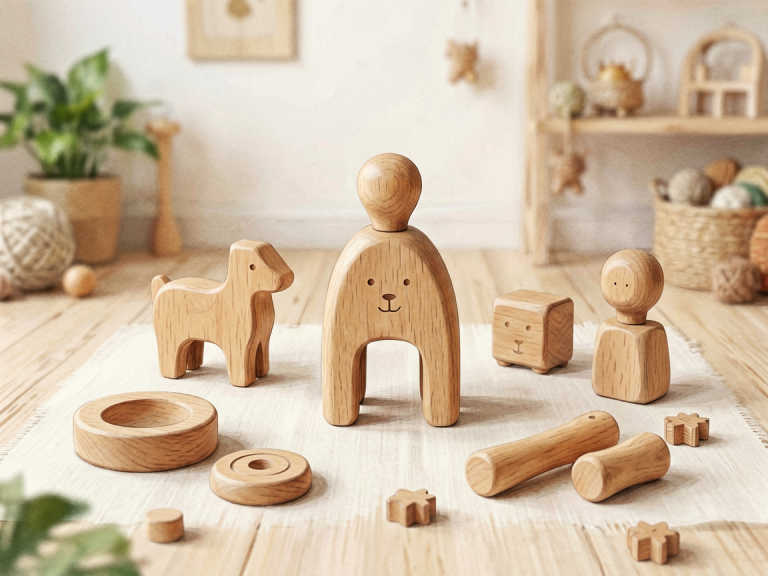
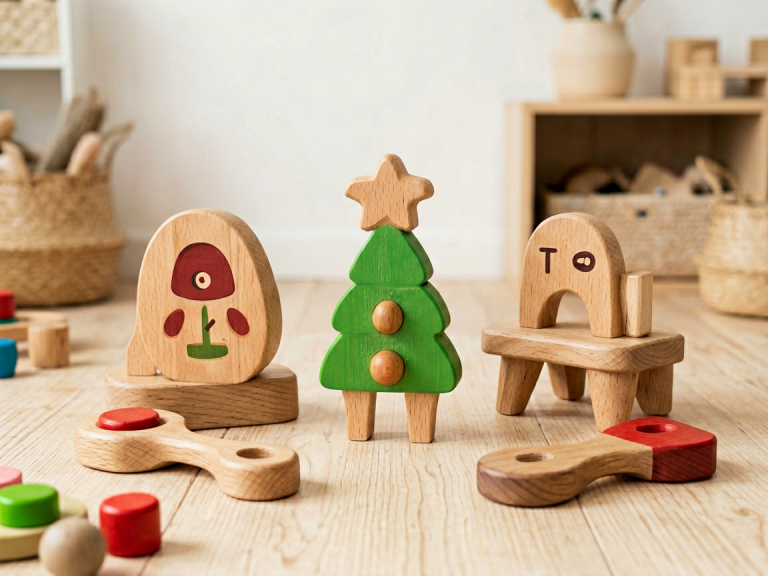
While many building sets are designed for older children, some are marketed as “early childhood” toys with large blocks. However, the line between large and small can be blurry. For children under three, avoid any building set that contains pieces smaller than your closed fist. The same applies to puzzles: jigsaw puzzles with small pieces are unsuitable. Look for chunky wooden puzzles with large knobs or foam puzzles with oversized pieces. Craft kits that include beads, sequins, googly eyes, or tiny yarn pieces are also dangerous—even if the intended user is older, siblings can access them.
Toys with Protruding Parts or Sharp Edges
While not directly about small parts, toys with fragile protruding parts (e.g., antennas on action figures, small horns on plastic animals) can break off and become small parts. Run your hand over the toy to feel for any pieces that are thin, brittle, or easily bent. If a part seems likely to snap off with moderate force, reject the toy.
Musical Instruments and Noisemakers
Some musical toys, especially rattles or maracas, may contain small beads or pellets inside. For infants, these toys must be constructed so that the internal parts cannot escape. Check that the casing is securely sealed with no seams that could split. Similarly, whistles and harmonicas with small internal parts are risky for toddlers.
Educate Yourself on Older Siblings’ Toys and Hand-Me-Downs
One of the most overlooked sources of small parts is not new toys, but older siblings’ toys or hand-me-downs from friends and relatives. A six-year-old’s LEGO set, a collection of miniature action figures, or a board game with tiny dice and tokens can all find their way into a toddler’s hands. Establish a strict rule: keep all toys with small parts in a separate room or a high shelf that the toddler cannot reach. Supervise playtime when older and younger children are together. When accepting hand-me-downs, inspect every piece as if it were new. Do not assume that a toy is safe just because it was used by another child; many toys from previous decades did not adhere to modern safety standards.
Purchase from Reputable Brands and Retailers
The Value of Brand Reputation
Well-known toy brands like Fisher-Price, LEGO Duplo, Melissa & Doug, and VTech invest heavily in safety testing and quality control. While no brand is 100% immune to recalls, these companies have a track record of quickly addressing safety issues. Conversely, generic or unbranded toys, especially those sold at dollar stores, online marketplaces like Wish or Temu, or from unknown third-party sellers on Amazon, often bypass safety regulations. They may appear similar to a reputable product but be made with inferior materials and have parts that break easily. When in doubt, pay a little more for a trusted brand.
Check for Recalls
Before buying a new toy, especially a used one, check the Consumer Product Safety Commission (CPSC) website or equivalent authority in your country (e.g., EU's Rapid Alert System, or the UK's Office for Product Safety and Standards). Search for the toy name or brand to see if there have been any recalls due to small parts or other hazards. This takes only a minute and could prevent a tragedy.
Use a Multi-Sensory Inspection Strategy
Visual Inspection
Hold the toy at eye level and scan for any obvious small components. Look for embellishments like glitter, fake jewels, tiny ribbons, or small plastic windows. Even decorative elements that are seemingly harmless can become dislodged.
Tactile Inspection
Run your fingers over the entire surface of the toy. Feel for rough edges, sharp points, or any pieces that move slightly. Press on seams to see if they give way. Squeeze soft toys to see if any internal wires or squeaker mechanisms are poking through.
Mouthing Simulation (for caregivers only)
If you are considering a toy for a child who is still mouthing (common up to age two or even three), imagine the toy being chewed on. Are there any parts that could be bitten off? Avoid toys with thin plastic, soft rubber that can be torn, or glued-on accessories.
Teach Older Children About Toy Safety
Finally, involve your older children in creating a safe environment. Explain that toys with small parts belong in their own room or a special “big kid” box. Show them how to pick up their toys after playtime to prevent them from rolling into the toddler’s area. Encourage them to be responsible and report any broken toys that might shed small pieces. This not only prevents accidents but also fosters a sense of empathy and care for younger siblings.
Conclusion: Vigilance Is the Best Toy of All
Avoiding toys with small parts is not about depriving your child of fun; it is about choosing the right kind of fun for their developmental stage. By consistently checking age labels, performing the toilet paper tube test, examining toys for detachable components, and purchasing from reputable sources, you can dramatically reduce the risk of choking. Remember that supervision remains essential—even the safest toy can become dangerous if misused. But with the strategies outlined in this guide, you will be equipped to make informed decisions every time you shop. Your child’s safety is worth that extra five minutes of inspection. Choose wisely, and let the play begin without worry.