The Peril of Playthings: A Comprehensive Guide to Buying Toys with Small Parts for Toddlers
Introduction: A Parent’s Dilemma
Walking into a brightly lit toy store, a parent of a curious two-year-old faces a bewildering array of choices. Colorful boxes promise developmental benefits: fine motor skills, cognitive stimulation, imaginative play. Yet lurking beneath the cheerful packaging is a hidden danger that accounts for thousands of emergency room visits each year—small parts. For toddlers, whose natural instinct is to explore the world through their mouths, a detachable button, a plastic wheel, or a tiny figurine can become a life‑threatening choking hazard. Buying toys for this age group is not merely a matter of preference or budget; it is a critical decision that demands vigilance, knowledge, and a clear understanding of safety standards. This article explores the risks associated with small parts in toddler toys, explains the regulatory frameworks that exist to protect children, and offers practical, evidence‑based guidance for parents, caregivers, and educators.
The Hidden Dangers of Small Parts in Toddler Toys
Why Small Parts Are Especially Hazardous for Toddlers
The developmental stage of toddlerhood—roughly ages one to three—is characterized by rapid oral exploration. Infants and toddlers have a powerful instinct to mouth objects, a behavior that helps them learn about texture, taste, and shape. Additionally, their airway anatomy is narrower and more compressible than that of older children and adults. A small object that might be easily coughed up by a four‑year‑old can become lodged in a toddler’s trachea, causing complete airway obstruction. According to the U.S. Consumer Product Safety Commission (CPSC), choking on small parts is a leading cause of non‑fatal injuries and deaths among children under three. Even non‑choking injuries are common: swallowed small parts can cause intestinal blockages, requiring surgical intervention.
Moreover, toddlers lack the cognitive ability to distinguish between edible items and toy components. A bright red plastic bead may look just like a candy to a two‑year‑old. Their fine motor skills are still developing, meaning they can easily break or detach parts from toys intended for older children. A toy that seems sturdy at first glance may have hidden weak points that snap under the pressure of a toddler’s grip.
The “Choking Hazard” Label: What It Really Means
Most parents have seen the familiar warning: “WARNING: CHOKING HAZARD – Small parts. Not for children under 3 yrs.” But what exactly qualifies as a “small part”? Under U.S. federal regulations (16 CFR Part 1501), a small part is defined as any object that fits completely into a specially designed test cylinder with a diameter of 1.25 inches (31.7 mm) and a depth of 2.25 inches (57.1 mm). This cylinder approximates the size of a young child’s throat. Any toy that contains small parts and is intended for children under three is automatically in violation if it does not meet specific exemptions. However, the regulation does not cover all scenarios: for example, toys that are broken or worn down over time can create small parts that were not originally present. Batteries, magnets, and other components that are not considered “parts” of the toy itself may also pose hazards that the label does not address.
Navigating Safety Standards and Regulations
International Standards: ASTM F963 and EN 71
In the United States, the mandatory safety standard for toys is ASTM F963, which incorporates the small‑parts test described above. Manufacturers must certify that their products meet these requirements before they can be sold. In Europe, the equivalent standard is EN 71, which includes similar but not identical small‑part tests. For example, EN 71 uses a slightly different test cylinder and also considers the shape and consistency of the object (e.g., whether it is compressible or gelatinous). Parents living outside these regions should check local regulations, but the core principle remains the same: a toy labeled for ages 3+ is strictly forbidden for toddlers, even if the child seems advanced or the toy appears harmless.
Beyond the Age Label: What Parents Must Verify
Unfortunately, age labeling is only a starting point. Many toys marketed as “educational” or “developmental” for toddlers still include small parts that violate safety standards. For instance, magnetic building sets often contain tiny magnets that, if swallowed, can attract each other across intestinal walls, causing perforations or fatal blockages. Button batteries—common in musical toys, lights, and electronic gadgets—are another silent killer. When ingested, they can burn through the esophagus in as little as two hours. The age label may say “3+,” but a determined toddler can pry open a battery compartment with bare fingers. Parents should always check for screw‑secured battery covers and for magnets that are encapsulated and cannot be removed.
Practical Guidance for Safe Toy Shopping
Selecting Appropriate Toys for Toddlers: A Checklist
When buying toys for a toddler, follow these concrete steps:
- Inspect before you buy. Look at the toy in the store. Shake it. Pull on any parts that might detach—eyes, buttons, wheels, hair, ribbons. If any piece can be removed with moderate force, it is unsafe.
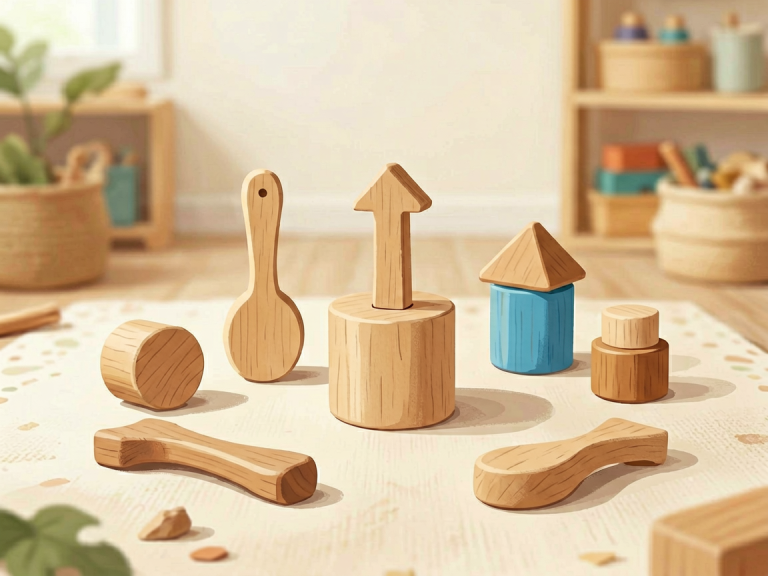
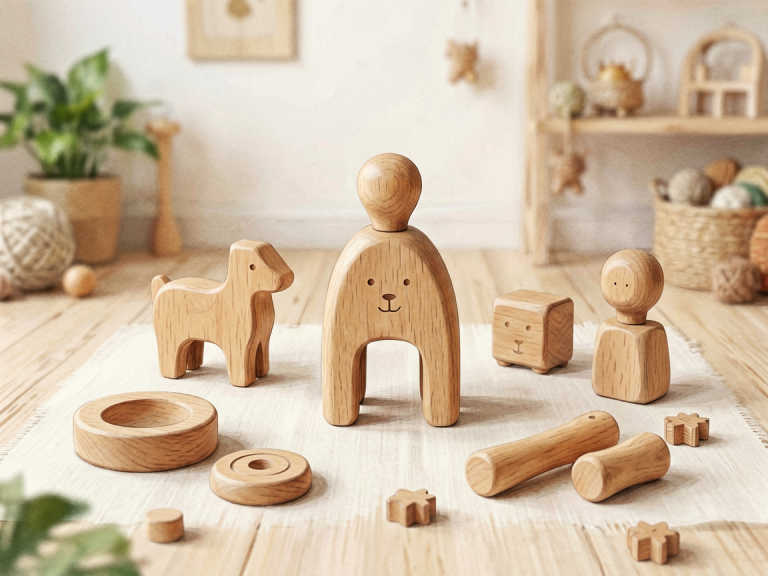
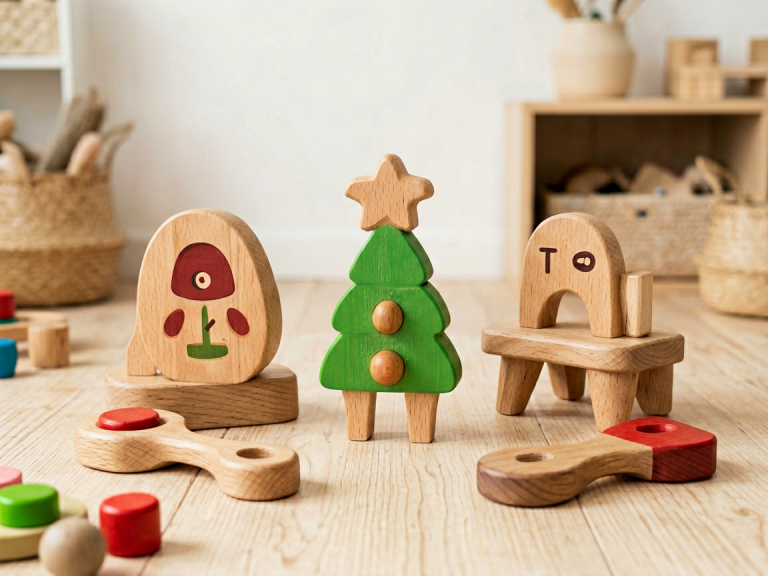
- Choose toys without small parts by design. Opt for toys that are one‑piece, soft, or made of fabric. Examples include large wooden blocks (at least 2 inches on each side), board books with rounded corners, push‑pull toys with no small protrusions, and stuffed animals with embroidered features rather than plastic eyes or noses.
- Avoid toys with string or cords longer than 12 inches. These pose strangulation hazards, which compound the choking risk.
- Check for “loose” packaging. Many toys include small parts in separate bags within the box—instruction sheets with tiny screws, or assembly kits. Remove and discard all small packaging before giving the toy to the child.
- Be wary of used toys. Garage sales and hand‑me‑downs are common sources of toys that may have been manufactured before current safety standards were implemented. Parts may be missing or broken. Always examine used toys with extra scrutiny.
- Purchase from reputable brands. Well‑known manufacturers typically undergo rigorous third‑party testing. However, no brand is immune to recalls. Sign up for recall alerts from the CPSC (in the U.S.) or your national consumer agency.
The Role of Supervision and Common Sense
No safety regulation can replace active adult supervision. Even with a perfectly safe toy, a toddler can find a way to chew off a piece or jam something into a small opening. Parents should not rely solely on age labels or safety certifications. Instead, they should watch their child during play, inspect toys regularly for wear and tear, and immediately discard any toy that begins to break down. Also consider the environment: if an older sibling leaves toys with small parts lying around, a toddler may access them. Create separate play zones for children of different ages, and enforce strict rules about keeping small‑part toys out of reach.
Alternative Play Options for Toddlers
Large‑Scale Toys and Sensory Play
Fortunately, a wealth of developmentally appropriate toys exist that pose no small‑part danger. Large foam blocks, interlocking plastic bricks designed for toddlers (such as Duplo, which are significantly larger than standard Lego), and simple shape sorters with oversized pieces are all excellent choices. Sensory bins filled with rice, pasta, or water (supervised) provide tactile exploration without small parts. Art supplies like chunky crayons, large paintbrushes, and non‑toxic play dough allow creative expression safely.
When Educational Toys Contain Small Parts: A Compromise
Some parents worry that avoiding all small parts will limit their child’s learning. For example, puzzles with small knobs or pieces can develop fine motor skills and problem‑solving. In such cases, the key is to use these toys only under direct supervision and to store them out of reach when playtime ends. Never let a toddler play alone with any toy that contains small parts, no matter how “educational” it claims to be.
Conclusion: A Call for Vigilance and Awareness
Buying toys for toddlers is a responsibility that extends far beyond the checkout counter. The charming little doll with detachable shoes or the cute car with tiny wheels may look innocent, but for a child whose world is explored through taste and touch, those tiny parts can be deadly. Safety standards exist to guide manufacturers, but they are not foolproof. The ultimate safety net is an informed, cautious adult who understands the risks, checks each toy thoroughly, and remains vigilant during play. By choosing age‑appropriate, large‑part toys and by supervising every play session, parents can protect their toddlers from a preventable tragedy—and still provide endless opportunities for joy, learning, and growth. After all, a safe child is a happy child, and there is no toy more valuable than that.