The Hidden Price Tag of Cheap Plastic Toys: A Parent’s Guide to Buying for 10-Year-Olds
Introduction
Every parent has stood in the aisle of a discount store, staring at a bin overflowing with brightly colored plastic toys priced at two dollars each. For a 10-year-old, the lure of a new action figure, a plastic dinosaur, or a miniature car set is almost irresistible. The child’s eyes light up, the price seems negligible, and the purchase is made without much thought. But what lies beneath that momentary joy? Buying cheap plastic toys for 10-year-olds has become a default parenting strategy, yet it carries a complex web of consequences—economic, environmental, psychological, and even developmental. This article unpacks those layers, offering a thorough examination of the practice and suggesting a more mindful approach for parents navigating the modern toy landscape.
—
1. The Allure of Affordability: Why Cheap Plastic Toys Win
The primary driver behind buying cheap plastic toys is, unsurprisingly, cost. For many families, especially those on tight budgets, spending $20 on a single toy is impractical when a bag of five plastic items can be had for the same price. A 10-year-old’s interests shift rapidly—today it’s superheroes, tomorrow it’s space explorers, next week it’s a video game character. Cheap toys allow parents to keep up without breaking the bank.
Moreover, children at this age often play in groups, and toys get broken, lost, or forgotten. Cheap plastic toys are seen as disposable, reducing the emotional and financial strain when damage occurs. The low price point also makes them ideal for party favors, school rewards, and impulse buys at checkout counters. Retailers exploit this psychology, positioning these toys in highly visible places to trigger quick, low-risk decisions.
But affordability comes with a shadow. The low cost is made possible by mass production in factories with minimal labor and material costs, often involving questionable manufacturing practices. The plastic itself is cheap, rigid, and prone to sharp edges, and the paint may contain lead or other toxins. Parents who choose these toys are unknowingly trading safety for savings.
—
2. The Environmental Toll: A Plastic Legacy
Perhaps the most alarming consequence of buying cheap plastic toys is their environmental footprint. Most of these toys are made from non-recyclable plastics like polypropylene or polystyrene. They are designed to be used for a short time—often days or weeks—before being tossed aside. According to a 2022 study by the University of Sussex, toy waste accounts for over 6% of global plastic waste, and the majority of that comes from inexpensive, single-use plastic items.
A 10-year-old may own dozens of cheap plastic toys that will outlive the child by hundreds of years. They will not biodegrade; instead, they will fragment into microplastics that contaminate soil, water, and even the air. When these toys break, small pieces are easily ingested by pets, wildlife, and children themselves. The problem is compounded by the fact that many cheap toys are made from mixed materials—plastic bodies with metal springs or painted parts—making recycling virtually impossible.
Furthermore, the production process itself is energy-intensive and often powered by fossil fuels. The carbon footprint of a single cheap plastic toy can be surprisingly high when factoring in extraction, manufacturing, shipping, and eventual disposal. In an era of climate crisis, buying cheap plastic toys for a 10-year-old is not just a minor indulgence—it is a contribution to a much larger environmental debt that future generations will inherit.
—
3. Safety Concerns: When Cheap Becomes Dangerous
Safety is the most immediate and tangible risk. Children aged 10 are past the stage of putting everything in their mouths, but they still engage in rough play, throw toys, and dismantle them. Cheap plastic toys often have poorly attached small parts that can become choking hazards, even for older children. The U.S. Consumer Product Safety Commission regularly recalls cheap toys for reasons ranging from high lead content to phthalate levels that exceed safety standards.
One infamous example is the 2021 recall of a set of plastic dinosaur toys sold at dollar stores across the country. The toys contained levels of lead that were three times the legal limit, posing serious neurological risks to children. Similarly, cheap plastic toys with painted surfaces often use azo dyes that can cause allergic reactions or even carcinogenic effects after prolonged skin contact.
Beyond chemistry, the physical design of cheap toys can be dangerous. Thin plastic can crack into sharp shards; wheels or limbs can snap off with small force. A 10-year-old playing tag while holding a cheap plastic sword might accidentally injure a friend. Batteries in cheap electronic toys are frequently not secured, and button batteries—if swallowed—can cause severe internal burns. Parents may assume that all toys sold in stores are safe, but the reality is that regulatory oversight is far from watertight, especially for imported items.
—
4. Developmental Implications: What Do They Really Gain?
At age 10, children are in a critical stage of cognitive and social development. They are moving from imaginative play to more structured games, hobbies, and social interactions. Cheap plastic toys often lack the depth and versatility needed to support this transition. A molded plastic spaceship with no moving parts or replaceable accessories offers limited play value—once the child has pretended to launch it a few times, the toy becomes static.
In contrast, higher-quality toys—even those made of plastic—tend to have more features, better durability, and greater play potential. A construction set with interlocking pieces, for example, promotes problem-solving, fine motor skills, and creativity. Cheap knock-offs of such sets often have pieces that do not fit properly, leading to frustration and abandonment. Over time, a diet of cheap toys can teach children that objects are disposable and that instant gratification is the norm—a mindset that may hinder patience, resourcefulness, and long-term engagement.
There is also the issue of social signaling. A 10-year-old is acutely aware of peer perceptions. If a child’s cheap toy breaks instantly on the playground, it can lead to teasing or embarrassment. Conversely, owning a few well-chosen, high-quality toys can foster pride and shared play experiences. The cheap plastic toy may save money in the short term but can cost a child’s self-esteem in the long run.
—
5. The Psychology of Impulse Buying: Breaking the Cycle
Why do parents continue to buy cheap plastic toys despite knowing these drawbacks? The answer lies in behavioral economics. The small price triggers a “low-cost bias”—we are far more likely to spend $2 than $20, even if the $2 item will be thrown away in a week while the $20 item might last years. Additionally, the child’s pleading in a store creates emotional pressure; parents often give in to avoid a tantrum or disappointment.
The culture of “stuff” also plays a role. Many homes are cluttered with cheap toys that nobody plays with, yet the habit persists. Parents may feel that buying a toy is a quick way to show love or to solve a moment of boredom. However, research shows that children value experiences more than objects. A day at the park, a board game with the family, or a trip to the library can create memories that far outlast any plastic trinket.
Breaking the cycle requires intentionality. Parents can start by implementing a “waiting period”—when a child wants a cheap toy, agree to write it down and revisit the decision in a week. Often, the desire fades. Another strategy is to shift the conversation from “I want that” to “What would you do with it?” This encourages imaginative thinking and reveals whether the toy truly aligns with the child’s interests.
—
6. Alternatives and Practical Solutions
Fortunately, there are ways to satisfy a 10-year-old’s desire for new toys without resorting to cheap plastic junk. One option is to seek out high-quality plastic toys that are built to last—brands like LEGO, Playmobil, or Melissa & Doug offer durable items with replaceable parts. While more expensive, they can be passed down, resold, or donated, reducing waste and providing longer play value.
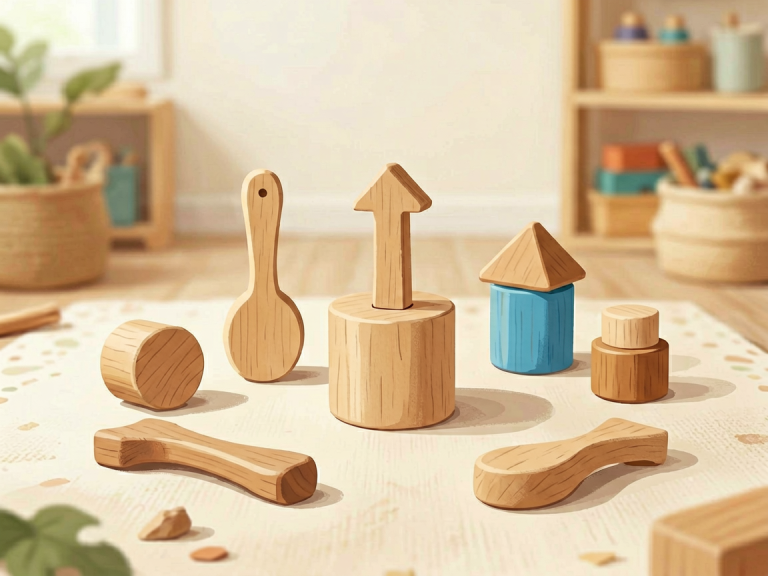
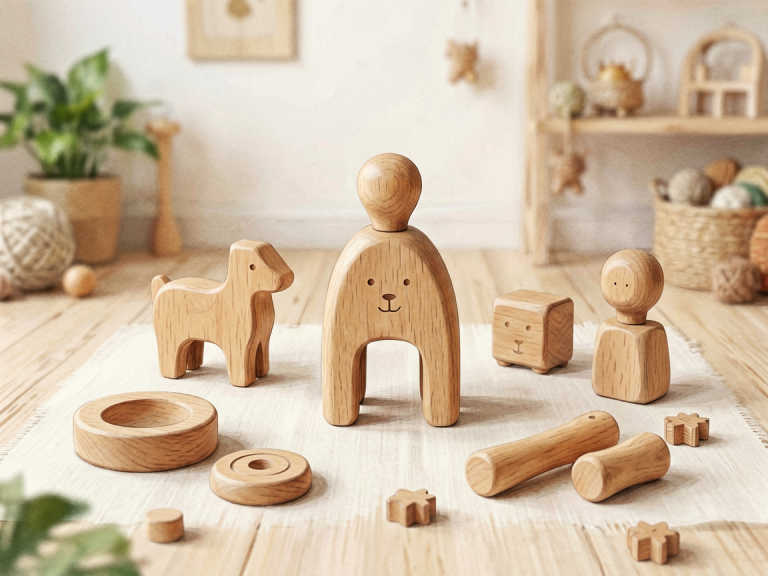
Another approach is to embrace non-plastic alternatives. Wooden toys, metal toys, or fabric toys have a much smaller environmental impact and often feel more substantial in a child’s hands. For example, a simple wooden marble run or a metal construction set can engage a 10-year-old for hours. Thrift stores and second-hand markets are treasure troves for such items at low prices.
Parents can also consider “toy libraries” or subscription services that rotate toys monthly. This keeps the novelty alive without permanent ownership and waste. And finally, encourage the child to earn toys through chores or personal savings—this teaches the value of money and reduces impulsive demands.
—
Conclusion
Buying cheap plastic toys for 10-year-olds is a deeply ingrained habit, driven by convenience, low cost, and emotional short-term rewards. However, the hidden price tag—environmental degradation, safety risks, stunted development, and a cluttered home—far outweighs the small monetary outlay. As parents, we have the power to make different choices. By pausing before each purchase, asking whether the toy will truly enrich our child’s life, and seeking alternatives that prioritize quality over quantity, we can protect both our children and the planet they will inherit. The next time you reach for that $2 plastic spaceship, remember: its true cost is written not in cents, but in the future of childhood itself.