Toy Buying Mistakes: Why Cheap Plastic Toys Are a False Economy
Introduction
Every parent, grandparent, or gift-giver has been there: standing in a discount store aisle, faced with a bin overflowing with brightly colored, low-priced plastic toys. The temptation is immense. A dinosaur that roars for $3? A princess castle with flashing lights for $5? How could anyone resist? The answer, unfortunately, is that many of us cannot. Yet the seemingly harmless act of buying cheap plastic toys often leads to a cascade of unforeseen consequences—financial waste, environmental harm, safety hazards, and missed opportunities for genuine play. Understanding the common mistakes associated with purchasing inexpensive plastic toys is essential for making smarter, more sustainable choices for the children in our lives.
The Illusion of Savings: Why "Cheap" Actually Costs More
One of the most pervasive mistakes parents make is assuming that paying less upfront translates to overall savings. This is a classic case of short-term thinking. Cheap plastic toys are typically made from low-grade materials, such as ABS plastic mixed with fillers, brittle polymers, or even recycled plastics of unknown origin. These materials are prone to breaking—often within days or weeks of purchase. A child drops the toy once, and a limb snaps off. A wheel cracks. A battery cover pops open and is lost forever. Suddenly, the $3 toy is unusable, and the parent is back at the store buying another cheap replacement—or, more likely, multiple replacements over a few months.
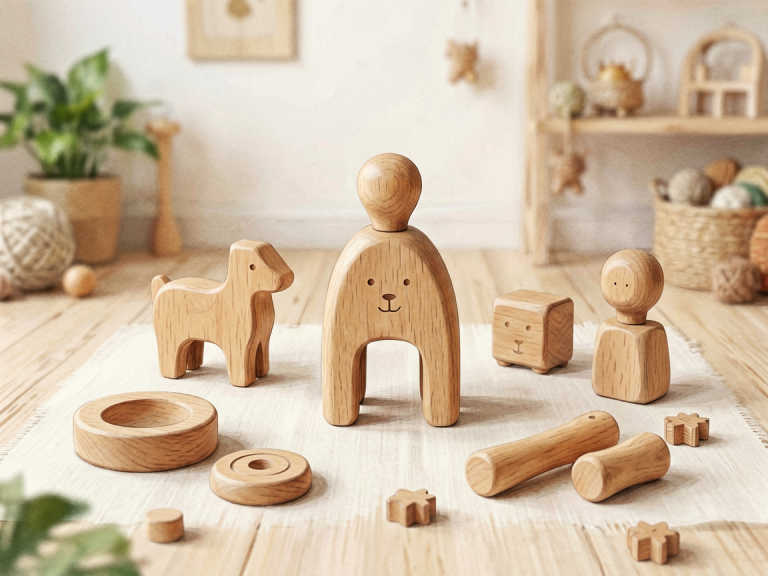
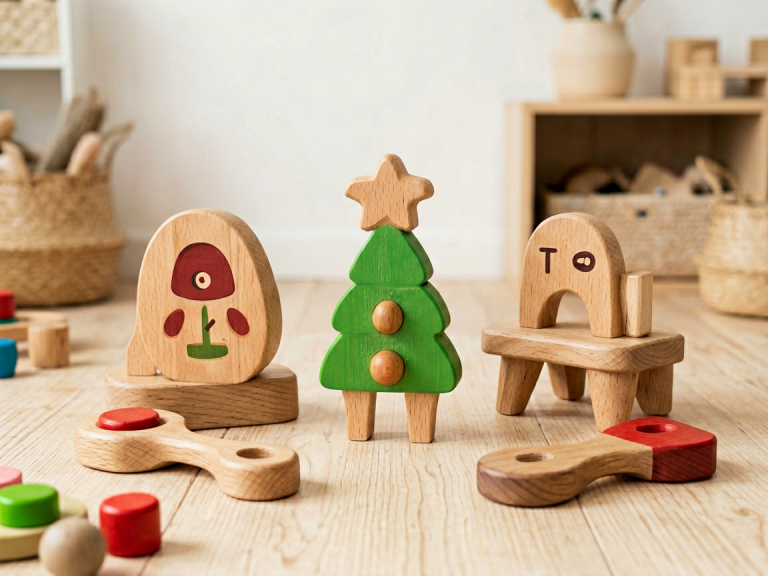
When you tally the total cost of buying five or six cheap toys over a year versus investing in one sturdy wooden toy or a high-quality plastic product from a reputable brand, the "cheap" option often loses. Moreover, children quickly lose interest in toys that feel flimsy. A toy that breaks easily teaches frustration rather than engagement. The real cost is not just monetary; it is the lost opportunity for sustained, imaginative, and developmental play.
Safety Hazards Hidden in Cheap Plastics
Perhaps the most alarming mistake is ignoring the safety risks associated with cheap plastic toys. Unlike toys produced by reputable manufacturers who adhere to strict international safety standards (such as ASTM F963 in the United States or EN71 in Europe), low-cost plastic toys are often manufactured in factories with minimal quality control. These toys may contain dangerous levels of phthalates, lead, cadmium, BPA, or other toxic chemicals. Phthalates, for example, are plasticizers used to soften PVC, and they have been linked to hormonal disruptions, reproductive issues, and developmental problems in children.
Equally concerning are physical hazards. Cheap plastic toys frequently have sharp edges, poorly attached small parts that can be choking hazards, and weak construction that can splinter or shatter into dangerous shards. Battery compartments may not be secured with screws, allowing young children to access coin cells that can cause severe internal burns if swallowed. Additionally, cheap toys often lack proper ventilation for electronic components, leading to overheating or even fire risks. The low price tag is not a bargain when it means compromising a child's health and safety.
Environmental Damage from Disposable Plastic Toys
Another critical mistake is overlooking the environmental footprint of cheap plastic toys. Most inexpensive plastic toys are designed for short-term use and are not recyclable. They are made from mixed plastics, painted with non-recyclable coatings, and often contain electronic parts that require special disposal. Once broken or discarded, these toys end up in landfills or, worse, in oceans and waterways, where they break into microplastics that contaminate ecosystems and enter the food chain.
The production process itself is energy-intensive and relies heavily on fossil fuels. Cheap toys are often manufactured in countries with lax environmental regulations, contributing to air and water pollution. The concept of "fast toys" mirrors "fast fashion"—disposable products that encourage a throwaway culture. By buying cheap plastic toys, we inadvertently teach children that objects have little value and that it is acceptable to discard rather than repair, reuse, or cherish. This mindset is not only environmentally destructive but also culturally impoverished.
The Problem of Overstimulation and Poor Design
Many cheap plastic toys are designed to grab attention with loud noises, flashing lights, and garish colors. While these features might seem appealing to a child in the store, they often lead to overstimulation rather than meaningful engagement. Research in child development suggests that simpler toys—blocks, dolls, puzzles, art supplies—encourage creativity, problem-solving, and focus. In contrast, overly flashy toys can shorten attention spans and reduce the quality of play. A child may press a button to hear a sound, then quickly lose interest, moving on to the next gimmick.
Cheap toys also tend to lack what educators call "open-endedness." A plastic toy that only does one thing—for example, a robot that walks in a straight line while repeating a single phrase—offers limited play value. Once the novelty wears off, the toy is abandoned. Quality toys, whether made of plastic, wood, fabric, or metal, are often designed to be used in multiple ways, encouraging a child to invent new games and narratives. A set of simple plastic animal figures can spark hours of imaginative play if they are well-made and lifelike. But cheap, poorly molded animal figures that are indistinguishable from one another fail to inspire.
The Social and Emotional Impact on Children
There is also a psychological dimension to the mistake of buying cheap plastic toys. When children receive a constant stream of inexpensive, disposable toys, they may develop a sense of entitlement and a diminished appreciation for their belongings. They learn that objects are easily replaced and that value is measured by quantity rather than quality. Conversely, when a child receives fewer, but higher-quality toys, they tend to treasure them more, develop attachment, and learn to care for their possessions.
Furthermore, cheap toys often lead to disappointment. A child sees a colorful advertisement or a packaging image that looks exciting, but the actual toy is a pale imitation—flimsy, small, and poorly finished. This gap between expectation and reality can foster cynicism or frustration. Over time, children may become less trusting of promises and less engaged in the process of receiving gifts. The simple joy of playing is replaced by a consumerist cycle of wanting and discarding.
How to Avoid These Mistakes: Practical Guidelines
Given these pitfalls, how can conscientious buyers make smarter choices? First, shift your focus from price to value. A toy that costs $20 but lasts for years, engages a child across multiple developmental stages, and can be passed down to siblings is a far better investment than five $4 toys that break within a month. Look for toys made from durable materials such as sustainably sourced wood, high-grade plastics (like polypropylene or polycarbonate), or natural fibers.
Second, prioritize safety certifications. Check for labels like CE (European compliance), ASTM, or the Green Toy label. When in doubt, research the brand. Reputable companies often provide transparency about their manufacturing processes and materials. Avoid toys with a strong chemical smell, and always inspect for sharp edges or loose parts before giving them to a child.
Third, consider the toy's open-ended play potential. Can it be used in multiple ways? Does it inspire creativity? Does it require the child to actively participate rather than passively watch or listen? Simple items like building blocks, art supplies, balls, dolls, and toy vehicles are timeless for a reason. Even plastic toys can be excellent if they are well-designed—think LEGO bricks, which are made from high-quality ABS plastic and are built to last.
Fourth, embrace the concept of minimalism—not in a depriving sense, but in a mindful way. Instead of buying a dozen cheap toys, choose three or four high-quality ones that align with a child's current interests. Rotate toys periodically to maintain novelty. This approach reduces clutter, lowers environmental impact, and actually enhances a child's ability to focus.
Fifth, consider secondhand and vintage toys. Many older plastic toys were made with greater durability and fewer toxic chemicals than their modern cheap counterparts. Thrift stores, garage sales, and online marketplaces offer excellent options. Just be sure to clean them thoroughly and check for safety recalls.
Finally, be willing to pay a fair price for quality. This does not mean you need to bankrupt yourself—there are affordable options from ethical brands. But understand that extremely low prices often reflect hidden costs: child labor, environmental degradation, and compromised safety. When you buy cheap plastic toys, you are voting with your wallet for a system that values profit over people and the planet.
Conclusion: Rethinking Play and Consumption
The mistakes associated with buying cheap plastic toys are not merely about poor financial decisions. They reflect deeper issues in our consumer culture: the prioritization of instant gratification over long-term well-being, the neglect of safety and environmental ethics, and the misunderstanding of what children truly need from play. A child does not need a mountain of disposable trinkets. They need tools for imagination, objects that inspire curiosity, and the security of knowing that the things they care about are built to last.
By avoiding the common pitfalls outlined in this article, we can transform our approach to toy buying. We can choose quality over quantity, safety over savings, and sustainability over convenience. In doing so, we not only protect our children's health and development but also contribute to a healthier planet and a more thoughtful society. The next time you find yourself reaching for that brightly colored $3 plastic toy in the checkout lane, pause. Consider the real cost—and then walk away. Your child, your wallet, and the world will thank you.