The Hidden Cost of Cheap Plastic Toys: Why Bargain Buys Are a Problem We Can No Longer Ignore
Introduction
Every year, millions of parents, grandparents, and well-meaning relatives walk into discount stores, dollar shops, or browse online marketplaces and pick up brightly colored plastic toys for a dollar or two. The appeal is undeniable. Children’s eyes light up at the sight of a shiny new action figure, a cheap doll, or a plastic dinosaur. Adults feel they have scored a bargain, satisfying a child’s desire without breaking the bank. But beneath the cheerful packaging and the low price tag lies a profoundly troubling reality. The production, consumption, and disposal of cheap plastic toys create a web of environmental, health, economic, and social problems that extend far beyond the moment of purchase. This article explores why buying cheap plastic toys is not just a harmless indulgence but a serious issue that demands our attention.
The Environmental Catastrophe of Cheap Plastic Toys
Non-Biodegradable Materials and Microplastic Pollution
The vast majority of cheap plastic toys are made from low-grade plastics such as polyvinyl chloride (PVC), polystyrene, and polypropylene. These materials are designed to be durable and cheap, but they are also virtually indestructible in the natural environment. Unlike paper, wood, or organic materials, plastic does not biodegrade. Instead, it photodegrades—breaking down into smaller and smaller fragments called microplastics. When a cheap plastic toy is discarded, whether into a landfill, a waterway, or the ocean, it begins a slow process of fragmentation that can last for hundreds of years. Microplastics have been found in the deepest ocean trenches, in Arctic ice, in the air we breathe, and in the food we eat. A single broken toy can release thousands of microplastic particles into the ecosystem, where they are ingested by fish, birds, and other wildlife, causing internal blockages, starvation, and death.
Resource Extraction and Carbon Footprint
The production of cheap plastic toys requires the extraction of fossil fuels—crude oil and natural gas—which are used as raw materials for plastic resins. This extraction process is energy-intensive and contributes significantly to greenhouse gas emissions. Furthermore, the manufacturing of plastic toys involves heating, molding, and coloring processes that consume large amounts of energy and water. Because cheap toys are often produced in countries with lax environmental regulations, factories may release toxic chemicals and untreated wastewater into local ecosystems. The carbon footprint of a single cheap plastic toy, when considering extraction, production, transportation, and eventual disposal, is disproportionately high compared to its short useful life. Most cheap toys are played with for a few days or weeks before they break, lose their appeal, or are forgotten, ending up in the trash.
Overwhelmed Waste Management Systems
Globally, only about 9% of all plastic waste is ever recycled. The rest ends up in landfills, incinerators, or the natural environment. Cheap plastic toys exacerbate this crisis because they are often made of mixed or low-quality plastics that are difficult or impossible to recycle. Many toys contain metal parts, batteries, or painted surfaces that further complicate recycling. As a result, they are frequently sorted out by recycling facilities and sent directly to landfills or incinerators. Incineration releases toxic fumes, including dioxins and furans, which are known carcinogens. In countries with poor waste management infrastructure, cheap plastic toys are often dumped in rivers or open pits, where they become a persistent source of pollution.
Health and Safety Risks for Children
Toxic Chemicals in Cheap Plastics
Perhaps the most alarming aspect of cheap plastic toys is the presence of hazardous chemicals. To reduce costs, manufacturers often use recycled plastics that may contain contaminants, or they add cheap plasticizers such as phthalates to make the material flexible. Phthalates are endocrine disruptors that can interfere with hormonal development in children, leading to reproductive issues, early puberty, and other developmental problems. Bisphenol A (BPA), another common additive, is used in polycarbonate plastics and epoxy resins. It has been linked to cancer, obesity, and neurological damage. Additionally, cheap toys often contain lead, cadmium, mercury, and other heavy metals used as stabilizers or pigments. These metals can leach out when a child puts the toy in their mouth—a common behavior for infants and toddlers. Even toys that meet legal safety standards in some countries may still contain trace amounts of harmful substances, and standards in many low-cost manufacturing regions are virtually nonexistent.
Choking Hazards and Physical Dangers
Cheap plastic toys are notorious for having small parts that can easily detach. Buttons, eyes, wheels, and other components are often glued on rather than securely attached. When these pieces come loose, they become choking hazards for young children. Furthermore, the quality of the plastic used in cheap toys is often brittle. A toy that cracks or shatters can produce sharp edges capable of cutting a child’s skin or mouth. Battery compartments on cheap electronic toys may not be properly secured, allowing children access to lithium batteries, which can cause severe internal burns if swallowed. In recent years, numerous recalls have been issued for cheap plastic toys containing magnets that, if ingested, can attract each other through intestinal walls, causing perforations and life-threatening infections.
Long-Term Health Implications
The cumulative effect of exposure to toxic chemicals from cheap toys over a childhood of thousands of plastic products is a growing public health concern. Children’s bodies are still developing, and their detoxification systems are immature. Even low levels of exposure to endocrine disruptors, heavy metals, and volatile organic compounds can have permanent effects on brain development, immune function, and reproductive health. Studies have shown that children with higher levels of phthalates in their urine are more likely to develop asthma, allergies, and behavioral problems such as ADHD. The link between plastic toy chemicals and childhood cancers, while not fully proven, is a subject of intense research and rising alarm.
Economic and Social Costs
The Hidden Economic Burden
While cheap plastic toys seem like a bargain at the point of purchase, they impose significant economic costs on society. Taxpayers fund the cleanup of plastic waste, the maintenance of landfills, and the healthcare costs associated with plastic-related illnesses. Municipalities spend billions of dollars annually on waste collection and disposal, and much of that budget goes to handling single-use plastics and cheap consumer goods. Moreover, when children fall ill due to chemical exposure, families incur medical bills, lost workdays, and long-term healthcare expenses. The true cost of a $1 plastic toy, when calculated over its full life cycle and societal impact, may be many times its purchase price.
Exploitation of Labor and Unfair Trade
Cheap plastic toys are often manufactured in developing countries where labor laws are weak or unenforced. Workers, including women and sometimes children, may be paid below subsistence wages and work in unsafe conditions—exposed to toxic fumes, repetitive stress injuries, and long hours without breaks. The low price of the toy is made possible by these exploitative practices. By buying cheap toys, consumers inadvertently support a global system that prioritizes corporate profit over human dignity. Additionally, the influx of extremely low-cost toys undermines local toy industries in both developed and developing countries, driving small artisans and sustainable toy makers out of business.
The Disposable Culture and Consumer Behavior
Cheap plastic toys reinforce a culture of disposability. When a toy costs less than a cup of coffee, it is easily seen as throwaway. Children learn that things have little value and that it is acceptable to discard an item as soon as it breaks or becomes boring. This mindset runs counter to the values of sustainability, gratitude, and responsibility. Psychologically, children who receive too many cheap toys may become overstimulated, less able to focus, and less appreciative of quality items. They may also develop a sense of entitlement, expecting instant gratification without understanding the resources and labor that went into producing the object.
Ethical and Moral Dimensions
Responsibility Toward Future Generations
The accumulation of plastic waste from cheap toys is a problem that will be inherited by our children and grandchildren. We are essentially borrowing from the future—using resources and creating pollution that will affect generations to come. As adults, we have a moral obligation to consider the long-term consequences of our purchasing decisions. Every cheap plastic toy bought today is a piece of pollution that will remain on the planet long after the child who played with it has grown old. This is not a problem we can solve by recycling more; we must reduce the creation of plastic waste at its source.
Animal Welfare and Ecosystems
Marine life, birds, and terrestrial animals suffer enormously from plastic pollution. Sea turtles mistake plastic bags for jellyfish. Birds feed plastic fragments to their chicks, filling their stomachs with indigestible material that leads to starvation. Whales and dolphins become entangled in plastic debris. Cheap plastic toys, with their bright colors and lightweight nature, are particularly likely to end up in rivers and oceans. A child’s lost plastic boat may drift into a seal’s habitat; a discarded plastic dinosaur may be ingested by a fish that eventually ends up on a dinner plate. The ethical implication is clear: we are sacrificing animal life for a few moments of child’s play.
Alternatives and Solutions: What Can We Do?
Choosing Quality Over Quantity
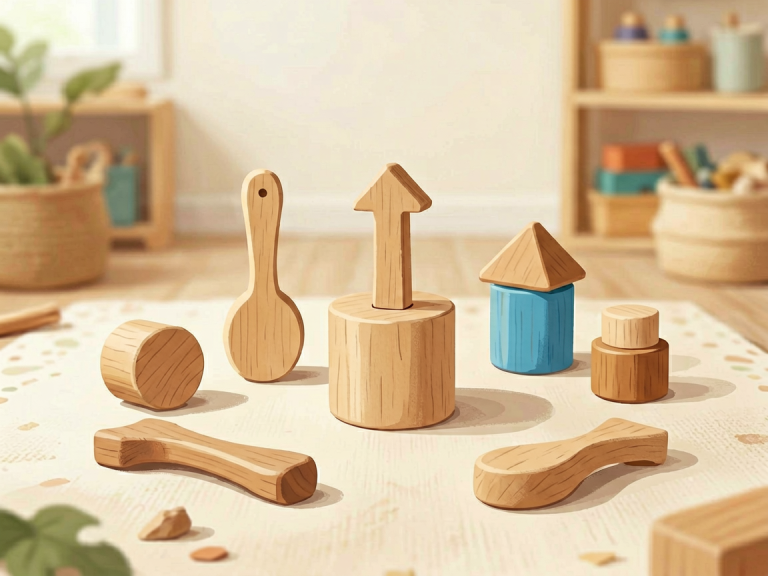
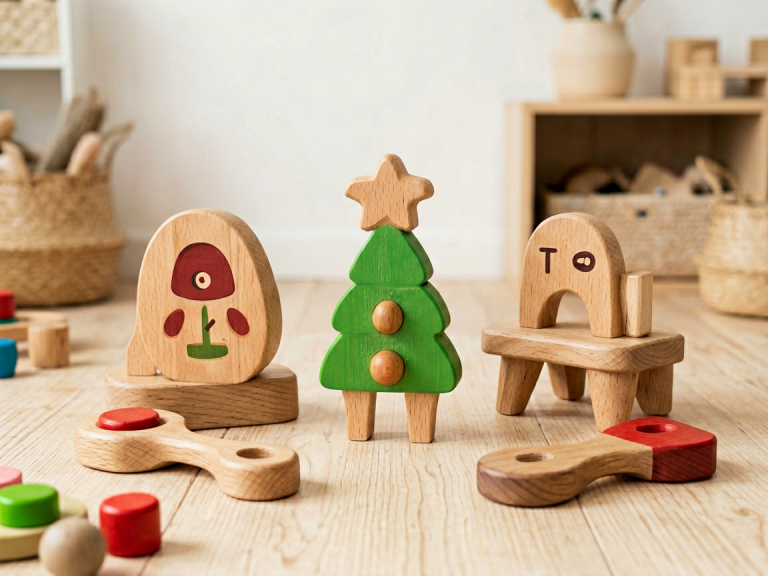
The most effective step is to shift from a quantity mindset to a quality mindset. Instead of buying a dozen cheap plastic toys, invest in a few well-made, durable toys made from natural materials such as wood, bamboo, organic cotton, or metal. These toys may cost more upfront, but they last for years and can be passed down to siblings or donated. They also require fewer resources to produce and generate much less waste. Look for toys that are certified by reputable organizations: for example, those meeting European Union safety standards (CE marking) or those certified by the Forest Stewardship Council (FSC) for wood products.
Second-Hand and Minimalist Gifting
Many high-quality toys are available second-hand at thrift stores, garage sales, or online marketplaces. Buying used toys keeps them out of landfills and reduces demand for new plastic production. Additionally, consider gifting experiences rather than objects—tickets to a museum, a subscription to a nature club, or a cooking class with a parent. These gifts create memories without adding to the plastic waste problem. For birthdays and holidays, parents can ask relatives to limit gifts to one or two high-quality items, or to contribute to a savings account for the child’s future.
Educating Children and Raising Awareness
Children are capable of understanding the importance of caring for the planet. Parents can talk to them about where toys come from, why some toys are harmful, and how to take care of their belongings. Involve children in choosing toys that are sustainable. Many children’s books and videos now address environmental themes. By fostering an appreciation for nature and resources, we raise a generation that will make more conscious choices as consumers.
Advocacy and Corporate Responsibility
On a broader scale, consumers can use their purchasing power to pressure companies to adopt more sustainable practices. Support brands that use recycled materials, minimize packaging, and ensure fair labor. Write to toy manufacturers and retailers, asking them to phase out toxic chemicals and reduce plastic use. Vote with your wallet. Furthermore, advocate for stronger government regulations: banning phthalates and BPA in toys, requiring extended producer responsibility, and funding better waste management infrastructure. When citizens demand change, corporations and policymakers are forced to respond.
Conclusion
Buying a cheap plastic toy may seem like a small, innocent act, but it is part of a vast and damaging system. From the environmental devastation of microplastic pollution to the health risks of toxic chemicals, from the exploitation of workers to the moral burden we place on future generations, the true cost of these toys is far higher than the price on the sticker. We do not need to ban all plastic toys overnight, nor should we demonize the desire to give children joy. But we must recognize that when we choose a cheap, disposable plastic toy, we are making a choice that has consequences. We have the power to make better choices—for our children, for the planet, and for ourselves. The next time you reach for that $1 toy on the shelf, pause. Ask yourself: Is this a good deal, or is it a problem in disguise? The answer, when we consider the full picture, is clear.