The Smart Parents Guide: How to Avoid Buying Cheap Plastic Toys and Choose Quality Alternatives
In the modern marketplace, parents are constantly bombarded with colorful, low-priced plastic toys that promise hours of entertainment. From the bins at dollar stores to the impulse-buy shelves near checkout counters, these inexpensive items seem harmless enough. Yet a growing body of evidence suggests that cheap plastic toys can pose significant risks to children's health, the environment, and even their cognitive development. The phrase "you get what you pay for" has never been more relevant. Learning how to avoid buying cheap plastic toys is not about being a snob or overspending; it is about making informed, conscious choices that benefit your child, your wallet, and the planet. This guide will walk you through the dangers of low-quality plastics, teach you how to spot them, and offer practical alternatives that combine safety, durability, and educational value.
Understanding the Hidden Dangers of Cheap Plastic Toys
The first step in avoiding cheap plastic toys is understanding why they are problematic. Many inexpensive plastic toys are manufactured using materials that contain harmful chemicals such as phthalates, bisphenol-A (BPA), lead, and cadmium. Phthalates are often added to make plastic soft and flexible, but they are endocrine disruptors that can interfere with hormone systems, especially in young children who tend to put toys in their mouths. BPA, commonly found in hard plastics, has been linked to developmental issues and reproductive problems. Despite regulations in many countries, loopholes and lax enforcement mean that cheap imports often slip through the cracks.
Beyond chemical hazards, cheap plastic toys are notorious for their poor construction. Sharp edges, small parts that can detach, and brittle materials that splinter easily all contribute to choking risks and physical injuries. A toy that breaks on the first day may not only disappoint a child but also leave behind dangerous fragments. Moreover, the environmental cost is staggering. Most cheap plastics are not recyclable and end up in landfills or oceans, where they take centuries to decompose. By choosing quality over quantity, you reduce waste and teach your child the value of caring for the Earth.
Key Indicators of Low-Quality Plastic Toys
To avoid buying cheap plastic toys, you must train your eye to recognize the red flags. The first clue is the price point. If a toy seems too cheap to be true, it probably is. Toys sold for one or two dollars almost certainly cut corners on materials, testing, and safety. However, price alone is not a perfect indicator; some expensive toys can also be poorly made. Therefore, you need to examine the physical characteristics.
Smell is a powerful detector. High-quality toys made from safe materials like wood, organic cotton, or food-grade silicone have little to no odor. Cheap plastic toys often emit a strong, chemical smell—a clear sign of volatile organic compounds (VOCs) off-gassing. If you notice a plastic smell even before opening the package, put it back.
Surface feel matters. Run your fingers over the toy. Cheap plastic often feels greasy or waxy due to added slip agents or leftover mold release chemicals. It may also have rough seams, flash (excess plastic from molding), or uneven coloring. High-quality toys have smooth, consistent surfaces with no sharp mold lines.
Construction details reveal much. Look at how parts are joined. Cheap toys often use glue or simple snap-fits that come apart easily. Quality toys use screws, rivets, or interlocking designs that are child-safe and durable. Also check for labeling: reputable manufacturers print clear information about materials, age recommendations, compliance with safety standards (like ASTM or EN71), and a contact address. The absence of such labeling is a warning.
Packaging itself can be a clue. Cheap toys often come in flimsy, unsealed plastic bags with no instruction sheet. The packaging may be generic, in multiple languages, or have spelling errors. Legitimate brands invest in packaging that communicates trust.
Strategies for Sourcing Durable and Safe Toys
Now that you can identify cheap plastic toys, the next step is to know where and how to shop for better options. One powerful strategy is to shift your mindset from "more toys" to "better toys." Instead of buying a dozen cheap items that will break or be forgotten, purchase a few high-quality pieces that encourage open-ended play. This approach saves money in the long run and reduces clutter.
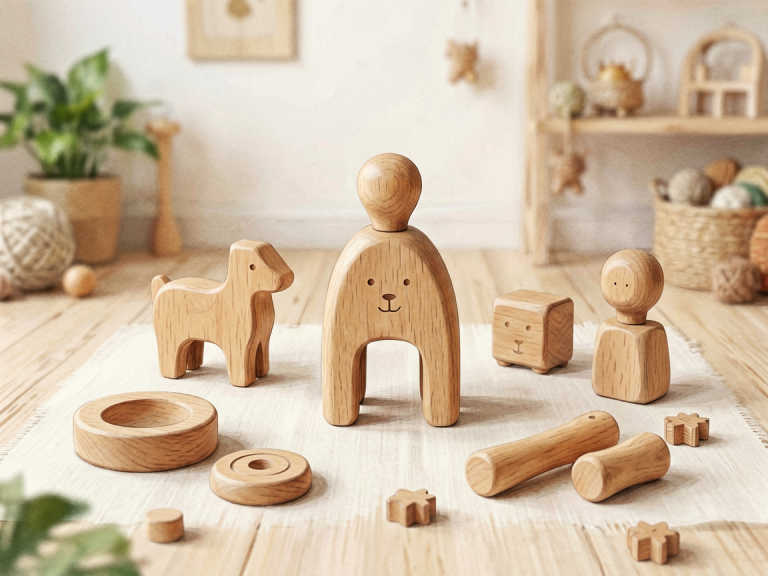
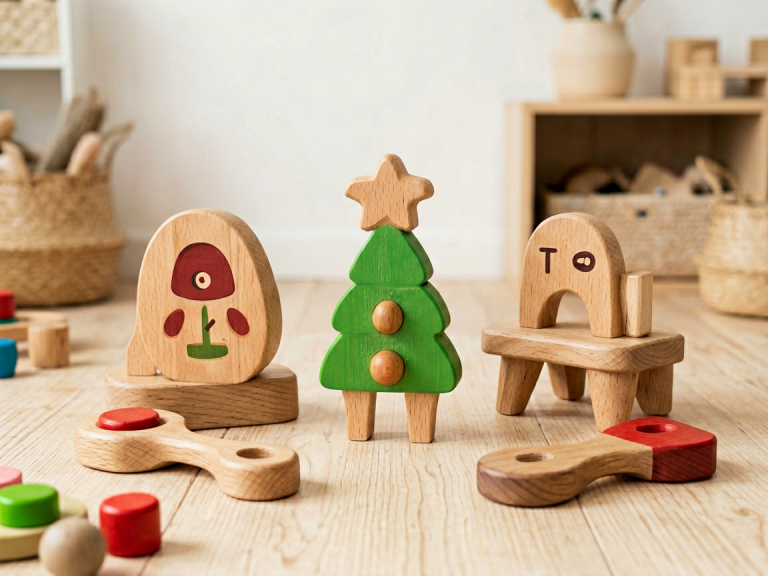
Choose alternative materials. Wood is a classic choice—durable, biodegradable, and often beautifully crafted. Look for toys made from sustainably harvested hardwood like beech, maple, or rubberwood, finished with water-based or beeswax coatings. Metal toys, such as sturdy cars or construction sets, are another excellent option. For babies and toddlers, silicone teethers and feeding items are safe if they are 100% food-grade silicone (avoid silicone that feels sticky or smells). Fabric toys made from organic cotton, wool, or felt are soft, washable, and free from plasticizers.
Opt for modular and repairable toys. Lego, wooden blocks, magnetic tiles, and construction sets allow children to build and rebuild endlessly. These toys often come with warranties and replacement parts. When a piece breaks, you can fix or replace it rather than throwing the whole toy away.
Buy from reputable brands with transparent supply chains. Companies like Hape, PlanToys, Grimm’s, Magna-Tiles, and Melissa & Doug (though some of their products contain plastic) have earned trust through safety certifications and environmental commitments. Even better, support small artisans on platforms like Etsy who handcraft wooden toys with natural materials.
Consider second-hand and vintage toys. High-quality toys from previous decades were often made with better materials and engineering. Thrift stores, garage sales, and online marketplaces can yield treasures like wooden trains, metal cars, and vintage board games. Just inspect them carefully for wear, rust, or loose parts.
Embracing Sustainable and Educational Alternatives
Beyond material choices, avoiding cheap plastic toys opens the door to toys that genuinely support child development. Open-ended toys—those that can be used in many ways—stimulate creativity and problem-solving. A set of wooden blocks, a simple dollhouse, or a collection of scarves for dress-up costs more initially but lasts for years and adapts to different ages.
Nature-based toys are another wonderful alternative. Rocks, pinecones, shells, and sticks can become the raw materials for imaginary worlds. You can supplement these with child-safe tools like magnifying glasses, small shovels, and bug catchers. These items connect children with the natural environment and require no plastic.
Art supplies made from natural ingredients, such as beeswax crayons, watercolor paints, and clay, provide hours of creative expression without the need for plastic packaging. Similarly, books (especially board books for toddlers) are timeless and made from paper and cardboard.
Subscription boxes that focus on STEM, art, or nature crafts can be vetted for quality. Companies like KiwiCo and Lovevery emphasize non-toxic materials and thoughtful design. While they may include some plastic components, they are generally far superior to generic cheap toys.
Building a Mindful Shopping Habit
Ultimately, avoiding cheap plastic toys is a habit that requires mindfulness and patience. Resist impulse buys. Before adding a toy to your cart, pause and ask: Where was it made? What materials? Is it safe? Will it last? How will my child play with it? If you cannot answer confidently, leave it.
Create a wish list with your child. When they ask for a toy, write it down. Wait at least a week before considering a purchase. This delay filters out whims and helps you research quality alternatives. Involve older children in discussions about why you avoid certain toys—this teaches them consumer literacy.
Set a "toy budget" that prioritizes quality. Instead of buying six cheap toys for $30, save the same money for one or two well-made items that will bring joy for years. Explain to family and friends your preferences, so they gift accordingly. Many grandparents appreciate knowing that a wooden puzzle or a set of quality building blocks will be used and cherished.
Advocate for better standards. Support legislation that bans harmful chemicals in children's products. Write to companies asking for transparency about their supply chains. When you encounter a cheap plastic toy in a store, you can even politely inform management about safety concerns. As consumers, our collective choices push the market toward safer, more sustainable options.
Conclusion: Investing in Childhood, Not Disposability
The journey to avoid buying cheap plastic toys is not about perfection; it is about intention. Every time you choose a wooden block over a flimsy plastic action figure, you invest in your child's health, the planet's future, and a culture of quality over disposability. Cheap plastic toys promise convenience but deliver hidden costs. By learning to see through the bright colors and low prices, you empower yourself to make purchases that align with your values. The result is a home filled with fewer but more meaningful toys—objects that inspire creativity, withstand years of play, and leave a lighter footprint on the Earth. Your children will benefit not only from safer playthings but also from the lesson that wise choices matter. So next time you’re tempted by that bargain bin, take a deep breath, remember this guide, and walk away. Your family—and the planet—will thank you.