Safer Alternatives to Wooden Blocks: A Comprehensive Guide for Parents and Educators
—
Introduction
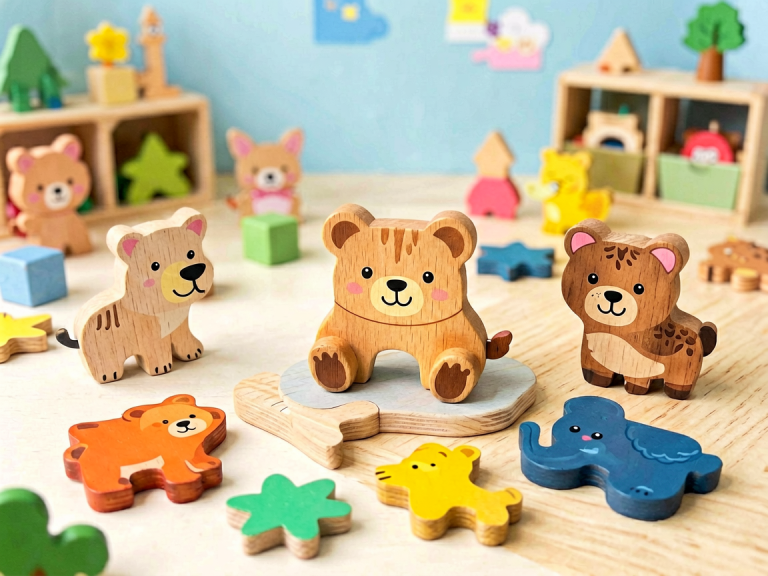
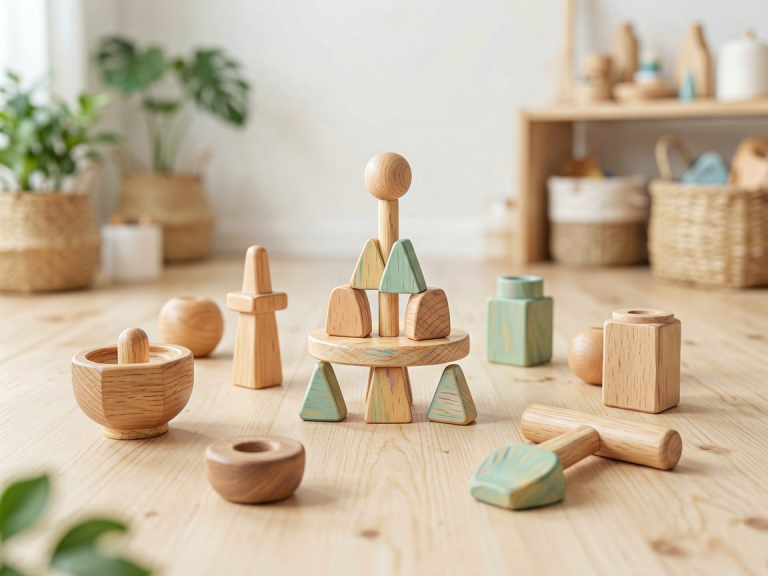
Wooden blocks have been a staple of childhood play for centuries. Their simplicity, durability, and natural texture make them a beloved choice in nurseries, preschools, and homes. However, as our understanding of child safety evolves, more parents and educators are questioning whether traditional wooden blocks are always the safest option. Splinters, sharp edges, toxic paints, and the risk of heavy blocks causing injury are real concerns. In response, a range of safer alternatives has emerged, offering the same developmental benefits—fine motor skills, spatial reasoning, creativity—without the associated hazards. This article explores the risks of wooden blocks and presents a detailed look at safer substitutes, helping you make an informed decision for your child’s play environment.
The Safety Concerns with Traditional Wooden Blocks
Before considering alternatives, it is essential to understand why wooden blocks may not be ideal for every child or setting. First, the risk of splinters is significant, especially in blocks that are not meticulously sanded or sealed. Even high-quality sets can develop rough edges over time, leading to painful injuries. Second, many wooden blocks are painted or stained with finishes that may contain lead, phthalates, or other harmful chemicals. While reputable brands use non-toxic coatings, counterfeit or older blocks may not meet safety standards. Third, wooden blocks are heavy. A toddler dropping a large block on their foot, or accidentally hitting another child in the head, can cause bruises, cuts, or even fractures. Finally, wooden blocks are porous and can harbor bacteria if not cleaned properly, making them less hygienic in group settings like daycare centers. These concerns do not mean no child should ever use wooden blocks—rather, they highlight the need for alternatives that address specific vulnerabilities.
Silicone Blocks: Soft, Safe, and Sensory-Rich
One of the most popular safer alternatives to wooden blocks is silicone. Silicone blocks are made from food-grade, BPA-free silicone, which is non-toxic, hypoallergenic, and free from phthalates and PVC. They are incredibly soft and flexible, eliminating any risk of injury from falls or throws. Even a block tossed across the room will not damage furniture or hurt a child. Silicone blocks are also easy to clean—simply toss them in the dishwasher or wipe with a mild soap. Their natural tackiness allows them to stack well without slipping, which can be challenging for very young children with developing motor skills. Many silicone block sets come in bright, appealing colors and interesting textures, providing sensory stimulation. However, silicone blocks are generally lighter than wood, which may reduce the feeling of “real” stacking for older children. They also tend to be more expensive per piece. Nevertheless, for infants and toddlers who are still in the mouthing stage, silicone blocks offer an unparalleled combination of safety and play value.
Foam Blocks: Lightweight and Injury-Proof
Foam blocks, typically made from high-density EVA foam or polyurethane, are another excellent choice for safe block play. These blocks are extremely lightweight—often weighing only a few grams each—so even a tumble onto a pile of them is harmless. They are also soft to the touch, with no sharp corners or splinter risks. Foam blocks are ideal for building large structures because children can stack them high without fear of collapse causing injury. Many sets come in large, chunky shapes perfect for toddlers. Additionally, foam blocks are quiet during play, reducing noise in classrooms or homes. Hygiene is also a plus: most foam blocks are wipe-clean and resistant to moisture. The main drawback is that foam blocks may dent or compress over time, losing their shape. Some cheaper foam products may off-gas volatile organic compounds (VOCs), so it is crucial to choose blocks certified as non-toxic (look for GREENGUARD Gold or similar certifications). For children in the 1–3 age range, foam blocks are a wonderful, worry-free alternative.
BPA-Free Plastic Blocks: Durability Meets Safety
Plastic blocks often get a bad reputation for being “unnatural,” but modern, BPA-free and phthalate-free plastic blocks can be an excellent safer alternative. Brands like Mega Bloks and Duplo offer interlocking blocks with rounded edges and large sizes that eliminate choking hazards. Unlike wooden blocks, plastic blocks are uniform in shape and weight, which can improve stacking consistency. They are also durable—resistant to splintering, cracking, and water damage. Cleaning is effortless: they can be washed in a dishwasher or soaked in a sanitizing solution. Importantly, plastic blocks can be made to be extremely lightweight, reducing the risk of injury from dropped pieces. Some parents worry about environmental impact, but many companies now use recycled plastics and are moving toward bioplastics. The key is to choose products that are clearly labeled as non-toxic and free from harmful additives. Plastic blocks also offer added versatility—many sets include special pieces like wheels, doors, and windows that encourage more creative play. For older toddlers and preschoolers who enjoy complex structures, plastic blocks provide a safe and long-lasting solution.
Fabric and Plush Blocks: Ultimate Softness for Infants
For the youngest children—babies and infants—fabric or plush blocks are the safest option. These blocks are made from cotton, fleece, or other soft textiles, often filled with polyester fiber or foam beads. They are light as a feather, utterly silent when dropped, and completely harmless if thrown or chewed. Many fabric blocks feature different textures, rattles, crinkle paper, or teething corners, offering rich sensory experiences. Cleaning is typically machine-washable, making them hygienic even during the drooling phase. The main limitation is that fabric blocks are not rigid, so they cannot be used for tall or complex stacking. They are better suited for simple stacking, grasping, and exploring. For babies under 12 months, though, fabric blocks are a perfect introduction to building and cause-and-effect play, with zero risk of injury.
Cardboard Blocks: Eco-Friendly and Recyclable
Cardboard blocks have seen a resurgence in popularity due to their eco-friendly nature and low cost. Made from heavy-duty corrugated cardboard, these blocks are surprisingly sturdy and can support quite a bit of weight. They are lightweight, so even a collapsed tower poses no danger. Cardboard blocks are also easy to customize—children can draw on them, paint them, or cover them with contact paper. When they eventually wear out, they can be recycled. Safety-wise, they are free from toxic paints and finishes if you buy from reputable sources that use non-toxic inks. However, cardboard blocks are not waterproof and can become soggy if exposed to liquids. They also tend to crush or tear over time, which may frustrate older children. For a short-term, budget-friendly, and safe play experience, cardboard blocks are an excellent choice, particularly for group activities or parties.
Magnetic Building Tiles: A Modern Twist
Magnetic building tiles (such as Magna-Tiles or Picasso Tiles) represent a cutting-edge alternative to wooden blocks. These are made from shatter-resistant plastic with embedded magnets around the edges. They are extremely safe—no sharp edges, no splinters, and no heavy pieces. The magnets provide a satisfying click and allow for 3D structures that would be impossible with traditional blocks. Because the pieces are flat and lightweight, they cannot cause injury if dropped. Many sets are made from non-toxic ABS plastic and are free from BPA and phthalates. The magnets are securely encapsulated, so there is no risk of swallowing small magnets. Magnetic tiles encourage spatial awareness, geometry, and creativity. The only caution is for children under 3 who might still mouth objects, but the larger tiles are generally too big to choke on. For preschoolers and beyond, magnetic tiles are a fantastic, safe, and stimulating alternative.
Conclusion: Choosing What’s Best for Your Child
There is no one-size-fits-all answer when it comes to the safest alternative to wooden blocks. The right choice depends on your child’s age, developmental stage, play habits, and your home environment. Silicone and fabric blocks are ideal for infants and toddlers who explore with their mouths. Foam and cardboard blocks work well for group settings where lightweight and injury-proof materials are paramount. Plastic blocks offer durability and versatility for ages 2 and up, while magnetic tiles provide endless creativity for older preschoolers. In every case, prioritize products with clear safety certifications, non-toxic materials, and rounded edges. By moving away from traditional wooden blocks—or at least supplementing them with safer options—you can create a play space that fosters learning and fun without compromising well-being. Remember, the best block is the one that keeps your child safe, engaged, and smiling.